

Central Auckland > Public Hospital Services > Health New Zealand | Te Whatu Ora - Te Toka Tumai Auckland >
General Medicine | Auckland | Te Toka Tumai
Public Service, Internal Medicine
Description
Inpatient service is provided to patients who:
- require treatment that cannot be undertaken at home (this may include medication given into a vein, "IV drip")
- need investigations that are best carried out while staying in hospital
- are too unwell to manage at home.
Consultants
-

Dr Himali Aickin
General & Geriatric Medicine
-

Dr Richard Altman
Physician
-

Dr Sarah Bell
Physician
-
Dr Simon Briggs
Physician
-

Dr Stephen Child
Physician
-

Dr Stephanie Cox
Physician
-

Dr Michael Felder
Physician
-
Dr Sorin Florea
Physician
-

Dr Nigel Ford
MOSS
-

Dr Mark Hobbs
Physician
-

Dr Cheri Hotu
Physician
-

Dr Oliver Howlett
Physician
-

Dr Anthony Jordan
Physician
-
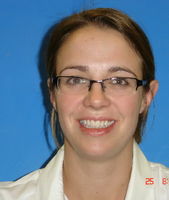
Dr Rebekah Lane
Physician
-
Dr Melanie Lo
Physician
-

Dr Oliver Menzies
Physician
-

Dr Terry Mitchell
Physician
-
Dr Samantha Read-Smith
Physician
-

Dr Paul Sexton
Physician
-
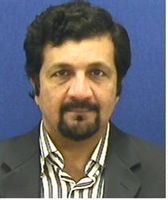
Dr Nassar Sheikh
Physician
-

Dr Richard Silk
MOSS
-

Dr Angela Soteriou
Physician
-

Dr Pete Storey
Physician
-

Dr Nicolas Szecket
Physician
-

Dr Nemi Turakhia
Physician
-

Dr Johan Van Schalkwyk
Physician
-
Dr Anne Whiteside
Physician & Service Clinical Director
-

Dr Nicole Wilde
Physician
-

Dr Bodhi Wimalasena
Physician
-

Dr Samadhi Wimalasena
Physician
-
Dr Christopher Yee
Physician
-

Dr Robert Young
Physician
Fees and Charges Description
Persons not ordinarily resident in New Zealand will be required to pay the full cost of their treatment. If you are a Non New Zealand Resident, or not born in New Zealand, please bring your passport to your appointment.
Procedures / Treatments
If you suddenly become unwell and need to be admitted to hospital with a medical rather than a surgical problem, you will most likely be seen by the General Medical team (see above). If your GP (General Practitioner) thinks you need to be admitted to hospital they will contact a doctor on the medical team to request admission. There is always a doctor from General Medicine on call 24 hours per day. Your arrival at hospital will be expected but often there will be delays in seeing a doctor. In most cases you will be admitted to our admission and planning unit first and be transferred if necessary to a general medical ward later. Some examinations and tests will be undertaken by nurses in the Admission and Planning Unit and these help to prioritise how urgently you need to be seen. If blood tests are taken at this time, an IV (intravenous) line may be inserted and left in your arm. This is a small plastic sheath that sits in a vein. It allows rapid and pain-free access for medication or fluids to be given. Other tests may include a urine test and an ECG (electrocardiogram) to check your heart. You may be seen by the training doctors who then present your case to the registrar or the consultant. On the day of your admission you will be seen by the registrar but you won't usually meet the consultant until the next day when the whole team does a "ward round" to see all the patients who were admitted the day before. The tests that are undertaken and the treatment you receive are always done in consultation with the specialist. Each ward has a charge nurse who is responsible for the patient care in the ward. If you have any questions or concerns, please ask to speak to the charge nurse. The charge nurse, nurse specialists and allied health staff work very closely with the medical team in ensuring the appropriate patient care is delivered. Your First Assessment The doctor who assesses you will take a detailed history of your symptoms and ask about previous illnesses and what medications you are on. It is essential you bring to the hospital all your tablets and medications in their original bottles. Part of history-taking includes asking questions about what you do for a living, who you live with or what support you have. You will also be asked about smoking, alcohol consumption etc. There will be other questions about your health designed to add helpful information to diagnose what is causing your symptoms. The doctor will then examine you. They will explain to you as they go the reason for the examination and then what tests or treatments are coming. You and, with your permission, your family can ask questions at any time during this assessment. What Happens Next? On arrival at hospital you will initially stay in the acute assessment area (APU). If you only need to stay 36 hours or less you may stay in this area, but if it looks as though you will need longer you will go up to an inpatient ward. Often the immediate cause of an illness is not known and the general medical team may ask other specialists to see you. You may be transferred to another team if your condition could be managed better by another specialist. When you are discharged your GP is notified about what has happened in hospital and any follow up plans. This happens in the form of an electronic discharge letter which is sent to the GP on the day of your discharge from hospital. You will get a copy of the letter. You may be seen in the outpatient clinic after you have been discharged from hospital to follow up any outstanding investigations or to see how you have improved or tolerated medications.
If you suddenly become unwell and need to be admitted to hospital with a medical rather than a surgical problem, you will most likely be seen by the General Medical team (see above). If your GP (General Practitioner) thinks you need to be admitted to hospital they will contact a doctor on the medical team to request admission. There is always a doctor from General Medicine on call 24 hours per day. Your arrival at hospital will be expected but often there will be delays in seeing a doctor. In most cases you will be admitted to our admission and planning unit first and be transferred if necessary to a general medical ward later. Some examinations and tests will be undertaken by nurses in the Admission and Planning Unit and these help to prioritise how urgently you need to be seen. If blood tests are taken at this time, an IV (intravenous) line may be inserted and left in your arm. This is a small plastic sheath that sits in a vein. It allows rapid and pain-free access for medication or fluids to be given. Other tests may include a urine test and an ECG (electrocardiogram) to check your heart. You may be seen by the training doctors who then present your case to the registrar or the consultant. On the day of your admission you will be seen by the registrar but you won't usually meet the consultant until the next day when the whole team does a "ward round" to see all the patients who were admitted the day before. The tests that are undertaken and the treatment you receive are always done in consultation with the specialist. Each ward has a charge nurse who is responsible for the patient care in the ward. If you have any questions or concerns, please ask to speak to the charge nurse. The charge nurse, nurse specialists and allied health staff work very closely with the medical team in ensuring the appropriate patient care is delivered. Your First Assessment The doctor who assesses you will take a detailed history of your symptoms and ask about previous illnesses and what medications you are on. It is essential you bring to the hospital all your tablets and medications in their original bottles. Part of history-taking includes asking questions about what you do for a living, who you live with or what support you have. You will also be asked about smoking, alcohol consumption etc. There will be other questions about your health designed to add helpful information to diagnose what is causing your symptoms. The doctor will then examine you. They will explain to you as they go the reason for the examination and then what tests or treatments are coming. You and, with your permission, your family can ask questions at any time during this assessment. What Happens Next? On arrival at hospital you will initially stay in the acute assessment area (APU). If you only need to stay 36 hours or less you may stay in this area, but if it looks as though you will need longer you will go up to an inpatient ward. Often the immediate cause of an illness is not known and the general medical team may ask other specialists to see you. You may be transferred to another team if your condition could be managed better by another specialist. When you are discharged your GP is notified about what has happened in hospital and any follow up plans. This happens in the form of an electronic discharge letter which is sent to the GP on the day of your discharge from hospital. You will get a copy of the letter. You may be seen in the outpatient clinic after you have been discharged from hospital to follow up any outstanding investigations or to see how you have improved or tolerated medications.
The doctor who assesses you will take a detailed history of your symptoms and ask about previous illnesses and what medications you are on. It is essential you bring to the hospital all your tablets and medications in their original bottles.
Part of history-taking includes asking questions about what you do for a living, who you live with or what support you have. You will also be asked about smoking, alcohol consumption etc. There will be other questions about your health designed to add helpful information to diagnose what is causing your symptoms. The doctor will then examine you. They will explain to you as they go the reason for the examination and then what tests or treatments are coming. You and, with your permission, your family can ask questions at any time during this assessment.
On arrival at hospital you will initially stay in the acute assessment area (APU). If you only need to stay 36 hours or less you may stay in this area, but if it looks as though you will need longer you will go up to an inpatient ward.
Often the immediate cause of an illness is not known and the general medical team may ask other specialists to see you. You may be transferred to another team if your condition could be managed better by another specialist.
When you are discharged your GP is notified about what has happened in hospital and any follow up plans. This happens in the form of an electronic discharge letter which is sent to the GP on the day of your discharge from hospital. You will get a copy of the letter.
If your GP wants advice about the diagnosis or management of an illness, he/she may refer you to this clinic. Your referral is given priority depending on the information in the referral letter. It is important that, if your condition worsens while waiting to be seen, you revisit your GP as we can see you sooner if your situation changes. Our average waiting time for a routine outpatient appointment is about 2-3 weeks. Please confirm your appointment through the Contact Centre using the numbers listed within the Contact Details section. Hearing and/or speech impaired patients are welcome to confirm their appointment via email. It is essential you bring to the appointment all your tablets and medications in their original bottles. At the clinic you will be seen by a consultant or registrar (who will discuss your case with the consultant). The doctor will take a detailed history of your symptoms and ask about previous illnesses and what medication you are on. Part of history-taking includes asking questions about what you do for a living, who you live with or what support you have. You will also be asked about smoking, alcohol consumption etc. There will be other questions about your health designed to add helpful information to diagnose what is causing your symptoms. The doctor will then examine you. They will explain to you as they go the reason for the examination and then what tests or treatments are coming. You may be started on some medications or asked to undergo further testing before being seen or referred back to your GP. A letter will be sent to your GP with any recommendations as well as the results of any tests that are undertaken. The medical outpatient clinic is also where you may be seen after you have been discharged from hospital to follow up any outstanding investigations or to see how you have improved or tolerated medications.
If your GP wants advice about the diagnosis or management of an illness, he/she may refer you to this clinic. Your referral is given priority depending on the information in the referral letter. It is important that, if your condition worsens while waiting to be seen, you revisit your GP as we can see you sooner if your situation changes. Our average waiting time for a routine outpatient appointment is about 2-3 weeks. Please confirm your appointment through the Contact Centre using the numbers listed within the Contact Details section. Hearing and/or speech impaired patients are welcome to confirm their appointment via email. It is essential you bring to the appointment all your tablets and medications in their original bottles. At the clinic you will be seen by a consultant or registrar (who will discuss your case with the consultant). The doctor will take a detailed history of your symptoms and ask about previous illnesses and what medication you are on. Part of history-taking includes asking questions about what you do for a living, who you live with or what support you have. You will also be asked about smoking, alcohol consumption etc. There will be other questions about your health designed to add helpful information to diagnose what is causing your symptoms. The doctor will then examine you. They will explain to you as they go the reason for the examination and then what tests or treatments are coming. You may be started on some medications or asked to undergo further testing before being seen or referred back to your GP. A letter will be sent to your GP with any recommendations as well as the results of any tests that are undertaken. The medical outpatient clinic is also where you may be seen after you have been discharged from hospital to follow up any outstanding investigations or to see how you have improved or tolerated medications.
Document Downloads
- Having an X-ray (PDF, 59.3 KB)
- Having an Ultrasound (PDF, 114 KB)
- Having a CT Scan (PDF, 150.4 KB)
- Outpatients Clinics Map (PDF, 117.8 KB)
Visiting Hours
Refreshments
Tea and coffee making facilities are available for patients on the ward and you are welcome to help yourself.
Security
If you are being admitted to hospital do not bring valuables with you. While we do our best to keep your possessions safe you will need to be responsible for looking after them.
If you arrive in hospital acutely we strongly recommend you either send valuables home with a relative or friend or ask the nurses to have them locked away with the cashier.
We are unable to take responsibility for 'lost' or damaged items.
Other
Website

Contact Details
Auckland City Hospital
Central Auckland
Outpatients can confirm their appointment through the Contact Centre:
| Phone: |
(09) 638 0400 or |
Administration: genmed@adhb.govt.nz
-
Phone
(09) 3074949 ext 22999 or 22980
Street Address
Park Road
Grafton
Auckland 1023
Postal Address
Private Bag 92 024
Auckland Mail Centre
Auckland 1142
Was this page helpful?
This page was last updated at 9:37AM on October 24, 2024. This information is reviewed and edited by General Medicine | Auckland | Te Toka Tumai.