
South Auckland > Public Hospital Services > Health New Zealand | Te Whatu Ora - Counties Manukau >
Orthopaedics | Counties Manukau
Public Service, Orthopaedics
Description
Other conditions that sit under the spectrum of orthopaedics are metabolic conditions, neurological and inflammatory conditions.
Orthopaedic Services Provided by Counties Manukau Health
Orthopaedic services provided are outpatient clinics and inpatient (ward) care.
Outpatient clinics see all general orthopaedic conditions and skeletal trauma for people in the Counties Manukau area. Paediatric surgery, rheumatoid surgery, muscle skeletal tumours and spinal disorders such as scoliosis and kyphosis are seen and treated for people in all regions. The Orthopaedic Department works in close liaison with the Department of Plastic and Reconstructive Surgery, the Department of Rheumatology and with the Auckland Spinal Unit in Ōtara.
Consultants
-

Dr Charlotte Allen
Orthopaedic Surgeon
-
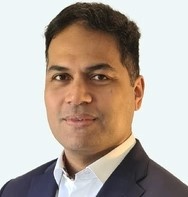
Mr Jarome Bentley
Orthopaedic Surgeon
-
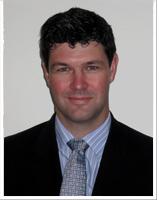
Mr Brendan Coleman
Orthopaedic Surgeon
-
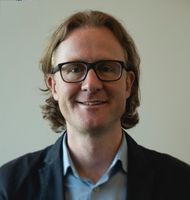
Mr Matt Debenham
Orthopaedic Surgeon
-
Mr Shaneel Deo
Orthopaedic Surgeon
-

Mr Paul Eaton
Orthopaedic Surgeon
-
Mr Thomas Geddes
Orthopaedic Surgeon - Deputy HOD
-
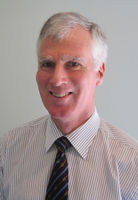
Mr Rodney Gordon
Orthopaedic Surgeon - Clinical Head of Department
-
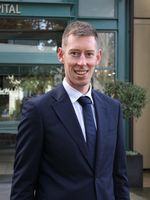
Mr Nick Gormack
Orthopaedic Surgeon
-
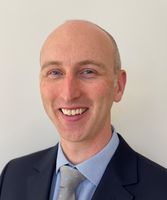
Mr Andrew Irving
Orthopaedic Surgeon
-
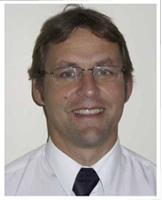
Mr Kevin Karpik
Orthopaedic Surgeon
-
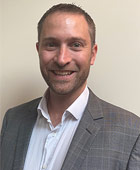
Mr Simon Manners
Orthopaedic Surgeon
-
Mr Robert Orec
Orthopaedic Surgeon
-
Mr Alpesh Patel
Orthopaedic Surgeon
-
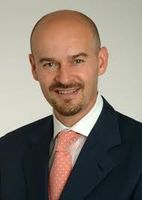
Associate Professor Rocco Pitto
Orthopaedic Surgeon
-
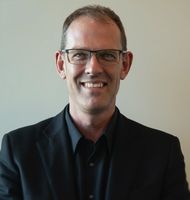
Mr Michael Rosenfeldt
Orthopaedic Surgeon
-
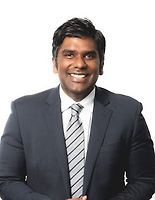
Mr Suren Senthi
Orthopaedic Surgeon
-
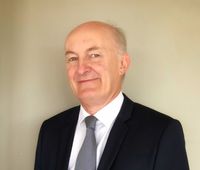
Mr Richard Street
Orthopaedic Surgeon
-
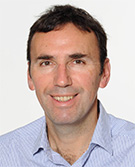
Mr Matthew Tomlinson
Orthopaedic Surgeon
-
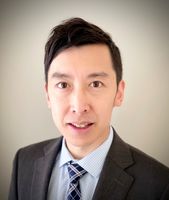
Mr Hogan Yeung
Orthopaedic Surgeon
Referral Expectations
Acute Patients - Middlemore Hospital
If you have an urgent problem requiring immediate care you will be referred to the Emergency Care Department at Middlemore Hospital.
Elective Inpatients - Middlemore Hospital Manukau Surgery Centre
Outpatients - Manukau SuperClinic™ Module 1
Your GP will send us a letter explaining your condition. We will make an appointment time for you, based on your health need, and send it directly to you. For urgent needs e.g. serious infections or malignant tumours you will be seen right away. For other conditions e.g. painful arthritis that makes movement difficult, you will be seen within 6 months.
You will be seen in the outpatient clinic by specialist doctors who will discuss treatment options and recommendations with you. If surgery is required you will be added to the waiting list.
To clinic visits you need to bring with you:
- Any letters or reports from your doctor or other hospital
- Any X-Rays, CT or MRI films and reports
- All medicines you are taking including herbal and natural remedies
- Your pharmaceutical entitlement card
- Your ACC number, if you have one
Fees and Charges Description
There are no charges for services to public patients if you are lawfully in New Zealand and meet one of the Eligibility Directions specified criteria set by the Ministry of Health. If you do not meet the criteria, you will be required to pay for the full costs of any medical treatment you receive during your stay.
To check whether you meet the specified eligibility criteria, visit the Ministry of Health website.
For any applicable charges, please phone the Accounts Receivable Office on (09) 276 0060.
Services / Procedures / Treatments
A large number of orthopaedic procedures on joints are performed using an arthroscope, where a fibre optic telescope is used to look inside the joint. Through this type of keyhole surgery, fine instruments can be introduced through small incisions (portals) to allow surgery to be performed without the need for large cuts. This allows many procedures to be performed as a day stay and allows quicker return to normal function of the joint. Arthroscopic surgery is less painful than open surgery and decreases the risk of healing problems. Arthroscopy allows access to parts of the joints which can not be accessed by other types of surgery.
A large number of orthopaedic procedures on joints are performed using an arthroscope, where a fibre optic telescope is used to look inside the joint. Through this type of keyhole surgery, fine instruments can be introduced through small incisions (portals) to allow surgery to be performed without the need for large cuts. This allows many procedures to be performed as a day stay and allows quicker return to normal function of the joint. Arthroscopic surgery is less painful than open surgery and decreases the risk of healing problems. Arthroscopy allows access to parts of the joints which can not be accessed by other types of surgery.
A large number of orthopaedic procedures on joints are performed using an arthroscope, where a fibre optic telescope is used to look inside the joint. Through this type of keyhole surgery, fine instruments can be introduced through small incisions (portals) to allow surgery to be performed without the need for large cuts. This allows many procedures to be performed as a day stay and allows quicker return to normal function of the joint.
Arthroscopic surgery is less painful than open surgery and decreases the risk of healing problems. Arthroscopy allows access to parts of the joints which can not be accessed by other types of surgery.
These clinics are run by the Orthopaedic Department for patients who have sustained an injury that has already been treated and further follow-up of that injury is required to monitor progress. Often at these fracture clinics x-rays are taken on arrival to check the position of the bone in a cast and to decide when other steps in management such as re-manipulation of fracture, removal of a cast or change of the management plan is required. An appointment time will be given. You may be at the clinic for several hours if you require x-rays, plaster/fibreglass casts removed or any other treatments. Fracture Clinics are held at Manukau SuperClinic™ Module 1 on Tuesday, Wednesday and Thursday afternoons.
These clinics are run by the Orthopaedic Department for patients who have sustained an injury that has already been treated and further follow-up of that injury is required to monitor progress. Often at these fracture clinics x-rays are taken on arrival to check the position of the bone in a cast and to decide when other steps in management such as re-manipulation of fracture, removal of a cast or change of the management plan is required. An appointment time will be given. You may be at the clinic for several hours if you require x-rays, plaster/fibreglass casts removed or any other treatments. Fracture Clinics are held at Manukau SuperClinic™ Module 1 on Tuesday, Wednesday and Thursday afternoons.
These clinics are run by the Orthopaedic Department for patients who have sustained an injury that has already been treated and further follow-up of that injury is required to monitor progress.
Often at these fracture clinics x-rays are taken on arrival to check the position of the bone in a cast and to decide when other steps in management such as re-manipulation of fracture, removal of a cast or change of the management plan is required.
An appointment time will be given. You may be at the clinic for several hours if you require x-rays, plaster/fibreglass casts removed or any other treatments.
Fracture Clinics are held at Manukau SuperClinic™ Module 1 on Tuesday, Wednesday and Thursday afternoons.
These are clinics for patients that have been referred by their doctor for an orthopaedic opinion on a specific concern. These clinics are usually attended by a specialist orthopaedic surgeon who will be available to advise on diagnosis and management. Often at the clinics x-rays will be taken, if not already taken and sometime other investigations such as ultrasound scans may be taken.
These are clinics for patients that have been referred by their doctor for an orthopaedic opinion on a specific concern. These clinics are usually attended by a specialist orthopaedic surgeon who will be available to advise on diagnosis and management. Often at the clinics x-rays will be taken, if not already taken and sometime other investigations such as ultrasound scans may be taken.
These are clinics for patients that have been referred by their doctor for an orthopaedic opinion on a specific concern. These clinics are usually attended by a specialist orthopaedic surgeon who will be available to advise on diagnosis and management. Often at the clinics x-rays will be taken, if not already taken and sometime other investigations such as ultrasound scans may be taken.
Joint replacement surgery is commonly required to treat joints which are worn out from arthritis or other forms of joint disease including rheumatoid arthritis. In these procedures the damaged joint surface is removed and replaced with artificial surfaces normally made from metal (chromium cobalt alloy, titanium) and plastic surfaces (high density polyethylene) or ceramic which act as alternative bearing surfaces for the damaged joint. The surgeon will discuss the specifics of your operation with you at the time of assessment and booking of surgery. These operations are major procedures which require the patient to be in hospital for several days and are followed by a significant period of rehabilitation at home. Occasionally blood transfusions are required; if you have some concerns raise this with your surgeon during consultation. All patients waiting to have a joint replacement must be given clearance by an anaethetist before surgery can proceed. Either by reviewing your file or arranging for you to be seen at an outpatient clinic for an assessment. See Pre-Admission Clinic heading. Your surgeon may defer surgery if you have any signs of infection, i.e. bad teeth, bladder or skin infection. Ensure your GP is aware that you are waiting for a joint replacement and they will treat any health concerns. If you are having problems with your teeth, arrange to see your dentist for a check-up and treatment. Orthopaedic surgeons at Middlemore Hospital are skilled in all forms of joint replacement including complex primary and revision surgery, and the latest computer assisted and minimally invasive techniques.
Joint replacement surgery is commonly required to treat joints which are worn out from arthritis or other forms of joint disease including rheumatoid arthritis. In these procedures the damaged joint surface is removed and replaced with artificial surfaces normally made from metal (chromium cobalt alloy, titanium) and plastic surfaces (high density polyethylene) or ceramic which act as alternative bearing surfaces for the damaged joint. The surgeon will discuss the specifics of your operation with you at the time of assessment and booking of surgery. These operations are major procedures which require the patient to be in hospital for several days and are followed by a significant period of rehabilitation at home. Occasionally blood transfusions are required; if you have some concerns raise this with your surgeon during consultation. All patients waiting to have a joint replacement must be given clearance by an anaethetist before surgery can proceed. Either by reviewing your file or arranging for you to be seen at an outpatient clinic for an assessment. See Pre-Admission Clinic heading. Your surgeon may defer surgery if you have any signs of infection, i.e. bad teeth, bladder or skin infection. Ensure your GP is aware that you are waiting for a joint replacement and they will treat any health concerns. If you are having problems with your teeth, arrange to see your dentist for a check-up and treatment. Orthopaedic surgeons at Middlemore Hospital are skilled in all forms of joint replacement including complex primary and revision surgery, and the latest computer assisted and minimally invasive techniques.
Joint replacement surgery is commonly required to treat joints which are worn out from arthritis or other forms of joint disease including rheumatoid arthritis. In these procedures the damaged joint surface is removed and replaced with artificial surfaces normally made from metal (chromium cobalt alloy, titanium) and plastic surfaces (high density polyethylene) or ceramic which act as alternative bearing surfaces for the damaged joint. The surgeon will discuss the specifics of your operation with you at the time of assessment and booking of surgery.
These operations are major procedures which require the patient to be in hospital for several days and are followed by a significant period of rehabilitation at home. Occasionally blood transfusions are required; if you have some concerns raise this with your surgeon during consultation.
All patients waiting to have a joint replacement must be given clearance by an anaethetist before surgery can proceed. Either by reviewing your file or arranging for you to be seen at an outpatient clinic for an assessment. See Pre-Admission Clinic heading.
Your surgeon may defer surgery if you have any signs of infection, i.e. bad teeth, bladder or skin infection. Ensure your GP is aware that you are waiting for a joint replacement and they will treat any health concerns. If you are having problems with your teeth, arrange to see your dentist for a check-up and treatment.
Orthopaedic surgeons at Middlemore Hospital are skilled in all forms of joint replacement including complex primary and revision surgery, and the latest computer assisted and minimally invasive techniques.
The Orthopaedic Tumour Service investigates, diagnoses and treats tumours which occur in bone and soft tissues (e.g. muscle, fat). Radiologists, pathologists and surgeons work together to identify the type of tumour. Imaging studies such as MRI scan, CT scan and bone scan may be done. If no diagnosis can be made by looking at the scans, then an operation to remove a piece of the tumour (open biopsy) so it can be studied under the microscope, is done. What is a tumour? Tumours develop when cell reproduction becomes erratic and produces abnormal cells which clump together to form a mass. A tumour is a cluster of abnormal cells. If a tumour is malignant (i.e. cancerous) radiotherapy and/or chemotherapy may be required, as well as surgery. What is a benign tumour? A benign tumour doesn’t invade the structures around it and it does not spread to other parts of the body. Examples of a benign tumour are a ganglion, schwannoma and lipoma. Benign tumours may be surgically removed, if they are large or are causing symptoms. If they are not causing problems then they may just be observed for a period of time to ensure they do not change. What is a malignant tumour? A malignant or cancerous tumour invades the structures around it and can spread to other parts of the body through the blood stream and lymphatic circulation. A sarcoma is a primary malignant tumour occurring in bone, muscle or fat. Sarcomas are very rare, making up only 1% of all the cancers diagnosed. Osteosarcoma, Ewing’s sarcoma, liposarcoma and synovial sarcoma are some of the sarcomas which can occur.
The Orthopaedic Tumour Service investigates, diagnoses and treats tumours which occur in bone and soft tissues (e.g. muscle, fat). Radiologists, pathologists and surgeons work together to identify the type of tumour. Imaging studies such as MRI scan, CT scan and bone scan may be done. If no diagnosis can be made by looking at the scans, then an operation to remove a piece of the tumour (open biopsy) so it can be studied under the microscope, is done. What is a tumour? Tumours develop when cell reproduction becomes erratic and produces abnormal cells which clump together to form a mass. A tumour is a cluster of abnormal cells. If a tumour is malignant (i.e. cancerous) radiotherapy and/or chemotherapy may be required, as well as surgery. What is a benign tumour? A benign tumour doesn’t invade the structures around it and it does not spread to other parts of the body. Examples of a benign tumour are a ganglion, schwannoma and lipoma. Benign tumours may be surgically removed, if they are large or are causing symptoms. If they are not causing problems then they may just be observed for a period of time to ensure they do not change. What is a malignant tumour? A malignant or cancerous tumour invades the structures around it and can spread to other parts of the body through the blood stream and lymphatic circulation. A sarcoma is a primary malignant tumour occurring in bone, muscle or fat. Sarcomas are very rare, making up only 1% of all the cancers diagnosed. Osteosarcoma, Ewing’s sarcoma, liposarcoma and synovial sarcoma are some of the sarcomas which can occur.
Service types: Musculoskeletal tumours.
The Orthopaedic Tumour Service investigates, diagnoses and treats tumours which occur in bone and soft tissues (e.g. muscle, fat).
Radiologists, pathologists and surgeons work together to identify the type of tumour.
Imaging studies such as MRI scan, CT scan and bone scan may be done.
If no diagnosis can be made by looking at the scans, then an operation to remove a piece of the tumour (open biopsy) so it can be studied under the microscope, is done.
What is a tumour?
Tumours develop when cell reproduction becomes erratic and produces abnormal cells which clump together to form a mass. A tumour is a cluster of abnormal cells.
If a tumour is malignant (i.e. cancerous) radiotherapy and/or chemotherapy may be required, as well as surgery.
What is a benign tumour?
A benign tumour doesn’t invade the structures around it and it does not spread to other parts of the body. Examples of a benign tumour are a ganglion, schwannoma and lipoma.
Benign tumours may be surgically removed, if they are large or are causing symptoms. If they are not causing problems then they may just be observed for a period of time to ensure they do not change.
What is a malignant tumour?
A malignant or cancerous tumour invades the structures around it and can spread to other parts of the body through the blood stream and lymphatic circulation. A sarcoma is a primary malignant tumour occurring in bone, muscle or fat. Sarcomas are very rare, making up only 1% of all the cancers diagnosed. Osteosarcoma, Ewing’s sarcoma, liposarcoma and synovial sarcoma are some of the sarcomas which can occur.
Osteotomy is the division of a crooked or bent bone to improve alignment of the limb. These procedures normally involve some form of internal fixation, such as rods or plates, or external fixation which involves external wires and pins to hold the bone. The type of procedure for fixation will be explained when the surgery is planned.
Osteotomy is the division of a crooked or bent bone to improve alignment of the limb. These procedures normally involve some form of internal fixation, such as rods or plates, or external fixation which involves external wires and pins to hold the bone. The type of procedure for fixation will be explained when the surgery is planned.
Osteotomy is the division of a crooked or bent bone to improve alignment of the limb.
These procedures normally involve some form of internal fixation, such as rods or plates, or external fixation which involves external wires and pins to hold the bone. The type of procedure for fixation will be explained when the surgery is planned.
A week or two prior to your elective surgery you will be seen in a pre-admission clinic. At this clinic your general health status will be assessed by members of the Orthopaedic Team. If there are any health concerns, your surgery may be delayed or you may be referred onto another specialty such as Anaesthetics or Cardiology. You may also be required to have futher tests. At the clinic you will be given information about your surgery and post-operative rehabilitation. This is your ideal opportunity to ask any questions you may have about your surgery. To clinic visits you need to bring with you: Any letters or reports from your doctor or other hospital. Any X-Rays, CT or MRI films and reports. All medicines you are taking, including herbal and natural remedies. Your pharmaceutical entitlement card. Your ACC number, if you have one.
A week or two prior to your elective surgery you will be seen in a pre-admission clinic. At this clinic your general health status will be assessed by members of the Orthopaedic Team. If there are any health concerns, your surgery may be delayed or you may be referred onto another specialty such as Anaesthetics or Cardiology. You may also be required to have futher tests. At the clinic you will be given information about your surgery and post-operative rehabilitation. This is your ideal opportunity to ask any questions you may have about your surgery. To clinic visits you need to bring with you: Any letters or reports from your doctor or other hospital. Any X-Rays, CT or MRI films and reports. All medicines you are taking, including herbal and natural remedies. Your pharmaceutical entitlement card. Your ACC number, if you have one.
A week or two prior to your elective surgery you will be seen in a pre-admission clinic. At this clinic your general health status will be assessed by members of the Orthopaedic Team. If there are any health concerns, your surgery may be delayed or you may be referred onto another specialty such as Anaesthetics or Cardiology. You may also be required to have futher tests.
At the clinic you will be given information about your surgery and post-operative rehabilitation.
This is your ideal opportunity to ask any questions you may have about your surgery.
To clinic visits you need to bring with you:
- Any letters or reports from your doctor or other hospital.
- Any X-Rays, CT or MRI films and reports.
- All medicines you are taking, including herbal and natural remedies.
- Your pharmaceutical entitlement card.
- Your ACC number, if you have one.
In many cases tendons will be lengthened to improve the muscle balance around a joint or tendons will be transferred to give overall better joint function. This occurs in children with neuromuscular conditions but also applies to a number of other conditions. Most of these procedures involve some sort of splintage after the surgery followed by a period of rehabilitation, normally supervised by a physiotherapist.
In many cases tendons will be lengthened to improve the muscle balance around a joint or tendons will be transferred to give overall better joint function. This occurs in children with neuromuscular conditions but also applies to a number of other conditions. Most of these procedures involve some sort of splintage after the surgery followed by a period of rehabilitation, normally supervised by a physiotherapist.
In many cases tendons will be lengthened to improve the muscle balance around a joint or tendons will be transferred to give overall better joint function. This occurs in children with neuromuscular conditions but also applies to a number of other conditions.
Most of these procedures involve some sort of splintage after the surgery followed by a period of rehabilitation, normally supervised by a physiotherapist.
Clinics for specific parts of the body or specific conditions. Examples of these will be an orthopaedic tumour clinic or a spinal clinic. Here the patients with specific problems are seen by the appropriate doctors and support staff for their special needs.
Clinics for specific parts of the body or specific conditions. Examples of these will be an orthopaedic tumour clinic or a spinal clinic. Here the patients with specific problems are seen by the appropriate doctors and support staff for their special needs.
Clinics for specific parts of the body or specific conditions. Examples of these will be an orthopaedic tumour clinic or a spinal clinic.
Here the patients with specific problems are seen by the appropriate doctors and support staff for their special needs.
Document Downloads
-
Plantar Fasciitis of the Heel
(PDF, 238.1 KB)
Management of your heel pain (Plantar Fasciitis) Important Things You Need To Know
-
Achilles Tendinitis – Non Insertional
(PDF, 358.2 KB)
Management of your heel pain (Achilles tendinitis) Important Things You Need To Know
Visiting Hours
Visiting times are between 2pm and 8pm. Visitors are restricted to two at a time.
Children are welcome, but must be supervised by an adult.

Contact Details
Was this page helpful?
This page was last updated at 12:09PM on November 21, 2023. This information is reviewed and edited by Orthopaedics | Counties Manukau.