
North Auckland > Public Hospital Services > Health New Zealand | Te Whatu Ora - Waitematā >
Respiratory Medicine | Waitematā
Public Service, Respiratory
Description
Consultants
-

Dr Atiqah Abdul Latiff
Respiratory Physician
-
Dr Andrew Brant
Respiratory Physician
-
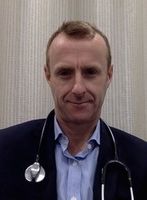
Dr Alex Chapman
Respiratory Physician
-

Dr Megan Cornere
Respiratory Physician
-
Dr Paul Griffiths
Respiratory Physician (Clinical Director)
-
Dr Leon Huang
Respiratory Physician
-
Dr Martin Phillips
Respiratory Physician
-

Dr Jai-deep Sood
Respiratory Physician
-
Dr Elisabeth Taylor
Respiratory Physician
-

Dr James Wethasinghe
Respiratory Physician
-

Dr Donny Wong
Respiratory Physician
Referral Expectations
Outpatient Clinics and Procedures
Your GP will refer you to one of our clinics if they are concerned about your lungs or breathing and want a specialist opinion. The referral is prioritised depending on urgency.
You need to bring to your appointment:
1. any letters or reports from your doctor or another hospital
2. any X-rays, CT (computer tomography) or MRI (magnetic resonance imaging) films and reports
3. all medicines you are currently taking, including herbal and natural remedies
4. your pharmaceutical entitlement card.
If you have any change in your condition before you come to your appointment, please see your GP immediately.
We hold seven outpatient clinics a week at North Shore Hospital and three outpatient clinics a week at Waitakere Hospital.
Common Conditions / Procedures / Treatments
Asthma symptoms include coughing, wheezing, a tight feeling in the chest and trouble breathing. Asthma occurs when the main breathing tubes of your lungs are over-sensitive and react to things that don’t affect other people. As a result of this they become swollen and narrow. If your asthma is not getting better with standard treatment (preventer and reliever inhalers) or if you are having more asthma attacks than you or your doctor are comfortable with, you may be referred to a specialist. In most cases you’ll be asked to give a complete medical history and will also be examined by the doctor. Sometimes other conditions can appear like asthma or complicate asthma, so you may be asked to have some tests to help in the diagnosis. Tests looking for severity and complicating features of asthma include: chest X-ray, spirometry and CT chest. Treatment This includes taking medicines as well as changing some lifestyle factors. A peak flow meter can be used to keep a watch on your asthma and help with plans to prevent attacks. Stopping smoking is very important as is learning to recognise what brings an asthma attack on. Asthma is treated with inhaled medicines. There are two types: a preventer medicine is taken every day. It soothes the irritated breathing tubes and prevents worsening of asthma, “asthma attacks”. a reliever treats the asthma attacks. It relaxes the tightened muscles around the breathing tubes. For more information on asthma see Asthma New Zealand website.
Asthma symptoms include coughing, wheezing, a tight feeling in the chest and trouble breathing. Asthma occurs when the main breathing tubes of your lungs are over-sensitive and react to things that don’t affect other people. As a result of this they become swollen and narrow. If your asthma is not getting better with standard treatment (preventer and reliever inhalers) or if you are having more asthma attacks than you or your doctor are comfortable with, you may be referred to a specialist. In most cases you’ll be asked to give a complete medical history and will also be examined by the doctor. Sometimes other conditions can appear like asthma or complicate asthma, so you may be asked to have some tests to help in the diagnosis. Tests looking for severity and complicating features of asthma include: chest X-ray, spirometry and CT chest. Treatment This includes taking medicines as well as changing some lifestyle factors. A peak flow meter can be used to keep a watch on your asthma and help with plans to prevent attacks. Stopping smoking is very important as is learning to recognise what brings an asthma attack on. Asthma is treated with inhaled medicines. There are two types: a preventer medicine is taken every day. It soothes the irritated breathing tubes and prevents worsening of asthma, “asthma attacks”. a reliever treats the asthma attacks. It relaxes the tightened muscles around the breathing tubes. For more information on asthma see Asthma New Zealand website.
Asthma symptoms include coughing, wheezing, a tight feeling in the chest and trouble breathing. Asthma occurs when the main breathing tubes of your lungs are over-sensitive and react to things that don’t affect other people. As a result of this they become swollen and narrow.
If your asthma is not getting better with standard treatment (preventer and reliever inhalers) or if you are having more asthma attacks than you or your doctor are comfortable with, you may be referred to a specialist.
In most cases you’ll be asked to give a complete medical history and will also be examined by the doctor. Sometimes other conditions can appear like asthma or complicate asthma, so you may be asked to have some tests to help in the diagnosis.
Tests looking for severity and complicating features of asthma include: chest X-ray, spirometry and CT chest.
Treatment
This includes taking medicines as well as changing some lifestyle factors. A peak flow meter can be used to keep a watch on your asthma and help with plans to prevent attacks. Stopping smoking is very important as is learning to recognise what brings an asthma attack on.
Asthma is treated with inhaled medicines. There are two types:
- a preventer medicine is taken every day. It soothes the irritated breathing tubes and prevents worsening of asthma, “asthma attacks”.
- a reliever treats the asthma attacks. It relaxes the tightened muscles around the breathing tubes.
For more information on asthma see Asthma New Zealand website.
This term is used to describe lung disease where the breathing tubes become blocked and the surrounding tissue and air sacs inside the lungs become damaged. COPD includes conditions such as emphysema, chronic bronchitis and chronic asthma. COPD is a long term and sometimes fatal disease that can be managed and slowed down. Smoking is the main cause of emphysema and chronic bronchitis. Chronic bronchitis is an inflammation of the main breathing tubes (bronchi) in the lungs, which results in the production of excess mucous (phlegm) and a reduction in the amount of airflow in and out of the lungs. In the early stages of chronic bronchitis, a cough usually occurs in the morning. As the disease progresses, coughing persists throughout the day. There is often associated shortness of breath and an increased rate of chest infections. Emphysema is the gradual destruction of the air sacs (alveoli) in the lungs. The alveoli are unable to completely relax. As they become larger they are not as good at transporting oxygen to the blood. Emphysema cannot be cured, but can be managed through medication and lifestyle changes. Investigations You may have some of the following tests before or after your clinic appointment: chest X-ray spirometry lung function tests CT chest The specialist will decide if you need any of these tests, depending on your symptoms and examination findings. Treatment There are ways to manage COPD. The first and most important is to stop smoking if this applies to you. There are exercises and dietary changes that can help maintain and improve fitness. Medications include inhalers, although they are not used for everyone. If you have COPD it is a good idea to have the flu vaccination every year. For more information on COPD see www.asthmanz.co.nz
This term is used to describe lung disease where the breathing tubes become blocked and the surrounding tissue and air sacs inside the lungs become damaged. COPD includes conditions such as emphysema, chronic bronchitis and chronic asthma. COPD is a long term and sometimes fatal disease that can be managed and slowed down. Smoking is the main cause of emphysema and chronic bronchitis. Chronic bronchitis is an inflammation of the main breathing tubes (bronchi) in the lungs, which results in the production of excess mucous (phlegm) and a reduction in the amount of airflow in and out of the lungs. In the early stages of chronic bronchitis, a cough usually occurs in the morning. As the disease progresses, coughing persists throughout the day. There is often associated shortness of breath and an increased rate of chest infections. Emphysema is the gradual destruction of the air sacs (alveoli) in the lungs. The alveoli are unable to completely relax. As they become larger they are not as good at transporting oxygen to the blood. Emphysema cannot be cured, but can be managed through medication and lifestyle changes. Investigations You may have some of the following tests before or after your clinic appointment: chest X-ray spirometry lung function tests CT chest The specialist will decide if you need any of these tests, depending on your symptoms and examination findings. Treatment There are ways to manage COPD. The first and most important is to stop smoking if this applies to you. There are exercises and dietary changes that can help maintain and improve fitness. Medications include inhalers, although they are not used for everyone. If you have COPD it is a good idea to have the flu vaccination every year. For more information on COPD see www.asthmanz.co.nz
This term is used to describe lung disease where the breathing tubes become blocked and the surrounding tissue and air sacs inside the lungs become damaged. COPD includes conditions such as emphysema, chronic bronchitis and chronic asthma. COPD is a long term and sometimes fatal disease that can be managed and slowed down. Smoking is the main cause of emphysema and chronic bronchitis.
Chronic bronchitis is an inflammation of the main breathing tubes (bronchi) in the lungs, which results in the production of excess mucous (phlegm) and a reduction in the amount of airflow in and out of the lungs. In the early stages of chronic bronchitis, a cough usually occurs in the morning. As the disease progresses, coughing persists throughout the day. There is often associated shortness of breath and an increased rate of chest infections.
Emphysema is the gradual destruction of the air sacs (alveoli) in the lungs. The alveoli are unable to completely relax. As they become larger they are not as good at transporting oxygen to the blood. Emphysema cannot be cured, but can be managed through medication and lifestyle changes.
Investigations
You may have some of the following tests before or after your clinic appointment:
- chest X-ray
- spirometry
- lung function tests
- CT chest
The specialist will decide if you need any of these tests, depending on your symptoms and examination findings.
Treatment
There are ways to manage COPD. The first and most important is to stop smoking if this applies to you. There are exercises and dietary changes that can help maintain and improve fitness. Medications include inhalers, although they are not used for everyone. If you have COPD it is a good idea to have the flu vaccination every year.
For more information on COPD see www.asthmanz.co.nz
This is when abnormal malignant cells divide and grow in an uncontrolled fashion in the lung tissue. The effect of this is to destroy normal lung tissue and block off the breathing tubes. There are several types of lung cancer. The most common cause is cigarette smoke; however exposure to asbestos, marijuana smoke and a number of other chemicals can also increase your risk of developing cancer. Common signs and symptoms a cough that gets worse with time coughing up blood chest pain loss of appetite and weight tiredness repeated doses of, or not improving, bronchitis or pneumonia. Diagnosis To diagnose lung cancer your doctor will look at your medical and smoking history. You will also have a physical examination. This is usually followed by a number of tests. The aim of the tests is to confirm the diagnosis and find out what type of cancer it is which usually involves obtaining some cells to look at under the microscope. Test you are likely to have include: chest X-ray. This is the first test that may raise the question of a lung cancer. It is usually followed by other tests to confirm the diagnosis CT scans with or without fine needle aspirate bronchoscopy Treatment Once lung cancer is diagnosed, a process known as staging determines the extent of the disease. Knowing the type and stage of cancer means the doctor can plan your treatment. Different treatment options include: surgery. The type of surgery depends on the size and type of cancer radiotherapy is a form of high energy radiation (X-ray) that kills cancer cells chemotherapy is the use of drugs aimed at killing cancer cells. The aim of treatment is to keep the person as well as possible even if the cancer cannot be cured. If you have a lung cancer there will be ongoing follow up with specialists and nurses throughout treatment and afterwards. For more information about lung cancer see Cancer Society NZ - Lung cancer
This is when abnormal malignant cells divide and grow in an uncontrolled fashion in the lung tissue. The effect of this is to destroy normal lung tissue and block off the breathing tubes. There are several types of lung cancer. The most common cause is cigarette smoke; however exposure to asbestos, marijuana smoke and a number of other chemicals can also increase your risk of developing cancer. Common signs and symptoms a cough that gets worse with time coughing up blood chest pain loss of appetite and weight tiredness repeated doses of, or not improving, bronchitis or pneumonia. Diagnosis To diagnose lung cancer your doctor will look at your medical and smoking history. You will also have a physical examination. This is usually followed by a number of tests. The aim of the tests is to confirm the diagnosis and find out what type of cancer it is which usually involves obtaining some cells to look at under the microscope. Test you are likely to have include: chest X-ray. This is the first test that may raise the question of a lung cancer. It is usually followed by other tests to confirm the diagnosis CT scans with or without fine needle aspirate bronchoscopy Treatment Once lung cancer is diagnosed, a process known as staging determines the extent of the disease. Knowing the type and stage of cancer means the doctor can plan your treatment. Different treatment options include: surgery. The type of surgery depends on the size and type of cancer radiotherapy is a form of high energy radiation (X-ray) that kills cancer cells chemotherapy is the use of drugs aimed at killing cancer cells. The aim of treatment is to keep the person as well as possible even if the cancer cannot be cured. If you have a lung cancer there will be ongoing follow up with specialists and nurses throughout treatment and afterwards. For more information about lung cancer see Cancer Society NZ - Lung cancer
This is when abnormal malignant cells divide and grow in an uncontrolled fashion in the lung tissue. The effect of this is to destroy normal lung tissue and block off the breathing tubes. There are several types of lung cancer. The most common cause is cigarette smoke; however exposure to asbestos, marijuana smoke and a number of other chemicals can also increase your risk of developing cancer.
Common signs and symptoms
- a cough that gets worse with time
- coughing up blood
- chest pain
- loss of appetite and weight
- tiredness
- repeated doses of, or not improving, bronchitis or pneumonia.
Diagnosis
To diagnose lung cancer your doctor will look at your medical and smoking history. You will also have a physical examination. This is usually followed by a number of tests. The aim of the tests is to confirm the diagnosis and find out what type of cancer it is which usually involves obtaining some cells to look at under the microscope. Test you are likely to have include:
- chest X-ray. This is the first test that may raise the question of a lung cancer. It is usually followed by other tests to confirm the diagnosis
- CT scans with or without fine needle aspirate
- bronchoscopy
Treatment
Once lung cancer is diagnosed, a process known as staging determines the extent of the disease. Knowing the type and stage of cancer means the doctor can plan your treatment.
Different treatment options include:
- surgery. The type of surgery depends on the size and type of cancer
- radiotherapy is a form of high energy radiation (X-ray) that kills cancer cells
- chemotherapy is the use of drugs aimed at killing cancer cells.
The aim of treatment is to keep the person as well as possible even if the cancer cannot be cured.
If you have a lung cancer there will be ongoing follow up with specialists and nurses throughout treatment and afterwards.
For more information about lung cancer see Cancer Society NZ - Lung cancer
- Lung Cancer Patient Information Pamphlet (PDF, 108 KB)
Note: PDF downloads require the free Adobe Reader application to view.
Spirometry is a tool that measures how effectively your lungs are working. It can show how much air lungs are able to hold (their volume) and how much air can be breathed in and out (inhaled and exhaled) which is called flow. It can be used to diagnose problems of breathing and monitor the usefulness of treatment. The test involves taking a deep breath in and blowing out as hard as you can into a hollow tube attached to a spirometer machine. You will be asked to do the test several times. The whole process takes 15 - 30 minutes depending on whether you are given some inhaled medicine and asked to do it again to monitor if there is an improvement. Read more about Spirometry on the Healthify website Peak flow meter This is a small hand-held tube that can measure what is happening in your breathing tubes. You can have one at home and measure your peak flow by blowing into it as hard and fast as possible. You will be shown how to measure it and compare it with what you can blow when you are well as part of your asthma management plan if you think you are having an asthma attack. For more information view on the Healthify website
Spirometry is a tool that measures how effectively your lungs are working. It can show how much air lungs are able to hold (their volume) and how much air can be breathed in and out (inhaled and exhaled) which is called flow. It can be used to diagnose problems of breathing and monitor the usefulness of treatment. The test involves taking a deep breath in and blowing out as hard as you can into a hollow tube attached to a spirometer machine. You will be asked to do the test several times. The whole process takes 15 - 30 minutes depending on whether you are given some inhaled medicine and asked to do it again to monitor if there is an improvement. Read more about Spirometry on the Healthify website Peak flow meter This is a small hand-held tube that can measure what is happening in your breathing tubes. You can have one at home and measure your peak flow by blowing into it as hard and fast as possible. You will be shown how to measure it and compare it with what you can blow when you are well as part of your asthma management plan if you think you are having an asthma attack. For more information view on the Healthify website
Spirometry is a tool that measures how effectively your lungs are working. It can show how much air lungs are able to hold (their volume) and how much air can be breathed in and out (inhaled and exhaled) which is called flow. It can be used to diagnose problems of breathing and monitor the usefulness of treatment. The test involves taking a deep breath in and blowing out as hard as you can into a hollow tube attached to a spirometer machine. You will be asked to do the test several times. The whole process takes 15 - 30 minutes depending on whether you are given some inhaled medicine and asked to do it again to monitor if there is an improvement. Read more about Spirometry on the Healthify website
Peak flow meter This is a small hand-held tube that can measure what is happening in your breathing tubes. You can have one at home and measure your peak flow by blowing into it as hard and fast as possible. You will be shown how to measure it and compare it with what you can blow when you are well as part of your asthma management plan if you think you are having an asthma attack. For more information view on the Healthify website
This is similar to a blood test but instead of a needle going into a vein it is inserted briefly into a small artery in your wrist. A small amount of blood is taken and sent to the laboratory for information about the oxygenation of your blood and other gases. Blood gas measurements may also be used if you have known respiratory, metabolic or kidney disease, especially if you have severe difficulty breathing. Many conditions can cause a blood gas imbalance and while the blood gas tests do not identify the exact cause of the imbalance they will point to either a respiratory or metabolic problem.
This is similar to a blood test but instead of a needle going into a vein it is inserted briefly into a small artery in your wrist. A small amount of blood is taken and sent to the laboratory for information about the oxygenation of your blood and other gases. Blood gas measurements may also be used if you have known respiratory, metabolic or kidney disease, especially if you have severe difficulty breathing. Many conditions can cause a blood gas imbalance and while the blood gas tests do not identify the exact cause of the imbalance they will point to either a respiratory or metabolic problem.
This is similar to a blood test but instead of a needle going into a vein it is inserted briefly into a small artery in your wrist. A small amount of blood is taken and sent to the laboratory for information about the oxygenation of your blood and other gases.
Blood gas measurements may also be used if you have known respiratory, metabolic or kidney disease, especially if you have severe difficulty breathing. Many conditions can cause a blood gas imbalance and while the blood gas tests do not identify the exact cause of the imbalance they will point to either a respiratory or metabolic problem.
A chest X-ray is normally undertaken to check the chest wall, lungs and heart. A chest X-ray is often the first test used to determine the reason for shortness of breath, persistent cough, chest pain or injury. Although you may think of an X-ray as a picture of bones, a trained observer can also see air spaces, like the lungs (which look black) and fluid (which looks white). Women should always advise their doctor if they are or think they may be pregnant before an X-ray is undertaken. When having a chest X-ray you are exposed to a very small amount of radiation. What to expect? You will have all metal objects removed from your body. You will be asked to remain still in a specific position and hold your breath on command. There are staff present, but they will not necessarily remain in the room, but will speak with you via an intercom system and will be viewing the procedure constantly through a windowed control room.
A chest X-ray is normally undertaken to check the chest wall, lungs and heart. A chest X-ray is often the first test used to determine the reason for shortness of breath, persistent cough, chest pain or injury. Although you may think of an X-ray as a picture of bones, a trained observer can also see air spaces, like the lungs (which look black) and fluid (which looks white). Women should always advise their doctor if they are or think they may be pregnant before an X-ray is undertaken. When having a chest X-ray you are exposed to a very small amount of radiation. What to expect? You will have all metal objects removed from your body. You will be asked to remain still in a specific position and hold your breath on command. There are staff present, but they will not necessarily remain in the room, but will speak with you via an intercom system and will be viewing the procedure constantly through a windowed control room.
A chest X-ray is normally undertaken to check the chest wall, lungs and heart. A chest X-ray is often the first test used to determine the reason for shortness of breath, persistent cough, chest pain or injury. Although you may think of an X-ray as a picture of bones, a trained observer can also see air spaces, like the lungs (which look black) and fluid (which looks white).
Women should always advise their doctor if they are or think they may be pregnant before an X-ray is undertaken. When having a chest X-ray you are exposed to a very small amount of radiation.
What to expect?
You will have all metal objects removed from your body. You will be asked to remain still in a specific position and hold your breath on command. There are staff present, but they will not necessarily remain in the room, but will speak with you via an intercom system and will be viewing the procedure constantly through a windowed control room.
With CT you can see much more detail than with a normal X-ray. Using an X-ray beam, which is sent through the body from different angles, creates a CT image and by using a complicated mathematical process a computer is able to produce an image. This allows cross-sectional images of the body without cutting it open. The CT is used to view all body structures but especially soft tissue such as body organs (heart, lungs, liver etc.). What to expect? You will have all metal objects removed from your body. You will lie down on a narrow padded moveable table that will be slid into the scanner, through a circular opening. You will feel nothing while the scan is in progress, but some people can feel slightly claustrophobic or closed in, whilst inside the scanner. You will be asked to remain still and hold your breath on command. There are staff present, but they will not necessarily remain in the room, but will speak with you via an intercom system and will be viewing the procedure constantly through a windowed control room, from where they will run the scanner. Some procedures will require Contrast medium. Contrast medium is a substance that makes the image of the CT clearer. Contrast medium can be given by mouth, or by injection into the bloodstream. The scan time will vary depending on the type of examination required, but as a rule it will take around 30 minutes.
With CT you can see much more detail than with a normal X-ray. Using an X-ray beam, which is sent through the body from different angles, creates a CT image and by using a complicated mathematical process a computer is able to produce an image. This allows cross-sectional images of the body without cutting it open. The CT is used to view all body structures but especially soft tissue such as body organs (heart, lungs, liver etc.). What to expect? You will have all metal objects removed from your body. You will lie down on a narrow padded moveable table that will be slid into the scanner, through a circular opening. You will feel nothing while the scan is in progress, but some people can feel slightly claustrophobic or closed in, whilst inside the scanner. You will be asked to remain still and hold your breath on command. There are staff present, but they will not necessarily remain in the room, but will speak with you via an intercom system and will be viewing the procedure constantly through a windowed control room, from where they will run the scanner. Some procedures will require Contrast medium. Contrast medium is a substance that makes the image of the CT clearer. Contrast medium can be given by mouth, or by injection into the bloodstream. The scan time will vary depending on the type of examination required, but as a rule it will take around 30 minutes.
With CT you can see much more detail than with a normal X-ray. Using an X-ray beam, which is sent through the body from different angles, creates a CT image and by using a complicated mathematical process a computer is able to produce an image. This allows cross-sectional images of the body without cutting it open. The CT is used to view all body structures but especially soft tissue such as body organs (heart, lungs, liver etc.).
What to expect?
You will have all metal objects removed from your body. You will lie down on a narrow padded moveable table that will be slid into the scanner, through a circular opening.
You will feel nothing while the scan is in progress, but some people can feel slightly claustrophobic or closed in, whilst inside the scanner. You will be asked to remain still and hold your breath on command. There are staff present, but they will not necessarily remain in the room, but will speak with you via an intercom system and will be viewing the procedure constantly through a windowed control room, from where they will run the scanner.
Some procedures will require Contrast medium. Contrast medium is a substance that makes the image of the CT clearer. Contrast medium can be given by mouth, or by injection into the bloodstream.
The scan time will vary depending on the type of examination required, but as a rule it will take around 30 minutes.
Depending on what is seen on the CT scan an additional test can be done where a fine needle is inserted into your chest into the cancer and some cells sucked up into the needle. This is done while taking pictures with the CT scanner to guide the doctor as to where to place the needle. Local anaesthetic is put into your skin and muscles so that the test is not overly painful. A specialist doctor does this.
Depending on what is seen on the CT scan an additional test can be done where a fine needle is inserted into your chest into the cancer and some cells sucked up into the needle. This is done while taking pictures with the CT scanner to guide the doctor as to where to place the needle. Local anaesthetic is put into your skin and muscles so that the test is not overly painful. A specialist doctor does this.
Depending on what is seen on the CT scan an additional test can be done where a fine needle is inserted into your chest into the cancer and some cells sucked up into the needle. This is done while taking pictures with the CT scanner to guide the doctor as to where to place the needle. Local anaesthetic is put into your skin and muscles so that the test is not overly painful. A specialist doctor does this.
During this test a thin fibreoptic tube is inserted into your breathing tubes, through the nose or the mouth, to view the tubes and take a biopsy (remove cells or tissue) to see if there are cancer cells present. It is usually undertaken under local anaesthetic. You may be given medicine to make you sleepy and relaxed. A specialist doctor does this procedure in an operating theatre environment. EBUS is a similar procedure where an ultrasound probe is used to access tissue or enlarged lymph glands through the airways in order to take a sample to see if this is abnormal or cancer cells are present.
During this test a thin fibreoptic tube is inserted into your breathing tubes, through the nose or the mouth, to view the tubes and take a biopsy (remove cells or tissue) to see if there are cancer cells present. It is usually undertaken under local anaesthetic. You may be given medicine to make you sleepy and relaxed. A specialist doctor does this procedure in an operating theatre environment. EBUS is a similar procedure where an ultrasound probe is used to access tissue or enlarged lymph glands through the airways in order to take a sample to see if this is abnormal or cancer cells are present.
Service types: Bronchoscopy.
During this test a thin fibreoptic tube is inserted into your breathing tubes, through the nose or the mouth, to view the tubes and take a biopsy (remove cells or tissue) to see if there are cancer cells present. It is usually undertaken under local anaesthetic. You may be given medicine to make you sleepy and relaxed. A specialist doctor does this procedure in an operating theatre environment. EBUS is a similar procedure where an ultrasound probe is used to access tissue or enlarged lymph glands through the airways in order to take a sample to see if this is abnormal or cancer cells are present.
- Bronchoscopy Information Pamphlet (PDF, 204.5 KB)
Note: PDF downloads require the free Adobe Reader application to view.
Service types: Obstructive sleep apnoea (OSA), Sleep disorders | Sleep studies. Sleepiness Scale (PDF, 892.8 KB) Obstructive Sleep Apnoea Information Pamphlet (PDF, 128 KB) Insomnia (PDF, 63.6 KB) Note: PDF downloads require the free Adobe Reader application to view.
Service types: Obstructive sleep apnoea (OSA), Sleep disorders | Sleep studies. Sleepiness Scale (PDF, 892.8 KB) Obstructive Sleep Apnoea Information Pamphlet (PDF, 128 KB) Insomnia (PDF, 63.6 KB) Note: PDF downloads require the free Adobe Reader application to view.
Service types: Obstructive sleep apnoea (OSA), Sleep disorders | Sleep studies.
- Sleepiness Scale (PDF, 892.8 KB)
- Obstructive Sleep Apnoea Information Pamphlet (PDF, 128 KB)
- Insomnia (PDF, 63.6 KB)
Note: PDF downloads require the free Adobe Reader application to view.
Refreshments
There are cafeterias at both hospital sites.
Public Transport
There are parking charges at both hospital sites. If you have concerns regarding paying for the parking please contact the Transport Services at the Main Entrance of Waitakere Hospital or Ground Floor Level of the multi storey car park at North Shore Hospital.
Pharmacy
Outpatient pharmacy services are available at North Shore Hospital and Waitakere Hospital sites
Website

Contact Details
North Shore Hospital
North Auckland
-
Phone
(09) 486 8900
Website
Freephone 0800 80 93 42 - Waitemata DHB residential areas only
Patient enquiries:
(09) 486 8930
Emergency Department: Open 24 hours / 7 days, Phone (09) 486 8900
Shakespeare Road
Takapuna
Auckland 0620
Street Address
Shakespeare Road
Takapuna
Auckland 0620
Postal Address
Health NZ Waitematā
Private Bag 93503
Takapuna
Auckland 0740
Was this page helpful?
This page was last updated at 1:20PM on April 21, 2026. This information is reviewed and edited by Respiratory Medicine | Waitematā.