North Auckland, West Auckland > Public Hospital Services > Health New Zealand | Te Whatu Ora - Waitematā >
Dermatology Service | Waitematā
Public Service, Dermatology
Description
Dermatology is a branch of medicine dealing with the skin, hair and nails. This includes primary skin disease and malignancy as well as skin manifestations of other disease. A doctor who specialises in this is called a dermatologist.
In the hospital we work alongside other specialists in the management of skin disease and cancer.
Useful information about dermatologists and the field of dermatology are available with the below links. All our hospital dermatologists are registered with the NZ Medical Council as dermatology specialists and members of NZDSI, our society of dermatologists.
Consultants
Note: Please note below that some people are not available at all locations.
-

Dr Tien Ming Lim
Dermatologist
Available at all locations.
-
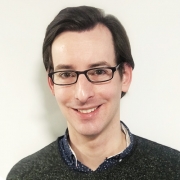
Dr Falko Schubert
Dermatologist
Available at all locations.
-

Dr Nick Turnbull
Dermatologist
Available at all locations.
-

Dr Blair Wood
Dermatologist
Available at North Shore Hospital
Referral Expectations
Most skin conditions can be treated in general practice but if your GP needs more expert advice you may be referred to a dermatologist. Each month the department receives more new referrals than can be seen at clinic. The dermatologists review the referral letters to determine who can be seen and who should be seen first, based on the information provided by their referring GP.
Some skin conditions can be diagnosed just by looking at them. The shape, size, colour and location are all assessed, as well as any symptoms. Sometimes a biopsy has to be taken to assist in making a diagnosis. A biopsy is the removal of a small piece of the skin for examination under a microscope by a pathologist. In some cases the whole lesion will be removed and examined. This is done under local anaesthetic.
When you come to the Dermatology Outpatient Department you will be seen by a Dermatologist who will ask questions about your illness and examine your skin to try to determine or confirm the diagnosis. Further tests may be ordered. These include, but are not limited to, blood tests, skin biopsy or skin scraping. A biopsy is a minor procedure using local anaesthetics to remove a small piece of the skin for examination under a microscope in the laboratory. A skin scraping involves scratching some of the top layer of skin from the affected area. Sometimes these tests can all be done during one clinic visit, but for some conditions the diagnosis will take several follow-up appointments.
Occasionally some tests can be arranged even before you are seen at the clinic to try to speed up the process.
Once a diagnosis has been made, the medical staff will discuss treatment with you.
Fees and Charges Description
There are no charges for services to public patients if you are lawfully in New Zealand and meet one of the Eligibility Directions specified criteria set by the Ministry of Health. If you do not meet the criteria, you will be required to pay for the full costs of any medical treatment you receive during your stay.
To check whether you meet the specified eligibility criteria, visit the Ministry of Health website.
For any applicable charges, please phone the Accounts Receivable Office on (09) 4868920.
Website

Was this page helpful?
This page was last updated at 9:44AM on March 30, 2026. This information is reviewed and edited by Dermatology Service | Waitematā.