
Central Auckland > Public Hospital Services > Health New Zealand | Te Whatu Ora - Te Toka Tumai Auckland >
Radiology | Auckland | Te Toka Tumai
Public Service, Radiology, Pregnancy Ultrasound
Today
Greenlane Clinical Centre
7:30 AM to 4:30 PM.
Starship Child Health, Central Auckland
8:30 AM to 3:30 PM.
Auckland City Hospital
7:30 AM to 5:00 PM.
Description
- diagnose disease states, such as cancer or heart disease
- show if there is injury to body structures
- provide images of organs to help other specialists repair problems e.g. angiography of the heart.
- Medical Imaging Technologists (MITs) - formerly known as Medical Radiation Technologists (MRTs) or Radiographers perform your X-ray, MRI, CT, barium and mammography examinations.
- Sonographers are MITs who perform your ultrasound examinations.
- Radiologists are specialist doctors who read and understand your films. They will also be involved if you have an intravenous urogram (IVU), X-ray, MRI, CT, barium study, mammogram and a number of other ultrasound procedures. They interpret the results of the images and send them to your doctor.
How Safe is Radiology?
Some forms of radiology use sound waves, some use x-rays and some use magnetic fields. Nuclear medicine uses small amounts of radioactive material injected into the body to help with patient diagnosis.
The sound waves (ultrasound) and the magnetic fields (MRI scan), as far as we know, have no harmful side effects. X-rays and Nuclear Medicine use what is known as ionising radiation. Large single ionising radiation doses that are much greater than those used in medical diagnosis, are known to carry a risk of causing cancer. At the radiation dose levels used in medicine it is unclear what, if any increase in cancer risk exists. We are obliged by law to make sure we only use ionising radiation when we think the potential benefits to you are greater than the risks. We carefully select the lowest dose procedure to provide you and your doctor with the diagnostic information needed to best manage your health. If you wish to find out more about the radiation risks of different radiology procedures please click here.
Consultants
Note: Please note below that some people are not available at all locations.
-

Dr Sofiullah Abubakar
Nuclear Medicine Physician
Available at Auckland City Hospital
-

Dr Matt Andrews
Radiologist
Available at Greenlane Clinical Centre, Auckland City Hospital
-
Dr Kathleen Antony
Obstetrician and Gynaecologist
Available at Greenlane Clinical Centre, Auckland City Hospital
-

Dr Pilar Aparisi Gomez
Radiologist
Available at Greenlane Clinical Centre
-

Dr Linda Ashley
Radiologist
Available at Greenlane Clinical Centre
-
Dr Sonja Bastin
Radiologist
Available at Starship Child Health, Central Auckland
-

Dr Ngaire Bates
Radiologist
Available at Greenlane Clinical Centre, Auckland City Hospital
-

Dr Sue Belgrave
Obstetrician & Gynaecologist
Available at Auckland City Hospital
-

Dr Sarah Benson-Cooper
Radiologist
Available at Auckland City Hospital
-
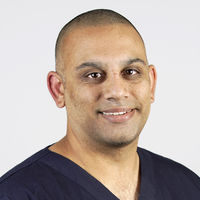
Dr Rahul Bera
Interventional Radiologist
Available at Auckland City Hospital
-

Dr Rishi Bhattacharyya
Radiologist
Available at Greenlane Clinical Centre, Auckland City Hospital
-

Dr Rebecca Biggs
Radiologist
Available at Greenlane Clinical Centre, Auckland City Hospital
-
Dr Helen Bird
Radiologist
Available at Starship Child Health, Central Auckland
-
Dr Kate Bollard
Radiologist
Available at Starship Child Health, Central Auckland, Auckland City Hospital
-
Dr Sarah Bowie
Radiologist
Available at Starship Child Health, Central Auckland, Auckland City Hospital
-

Dr Lucinda Boyer
Radiologist
Available at Auckland City Hospital
-

Dr Stefan Brew
Neuro Radiologist
Available at Auckland City Hospital
-
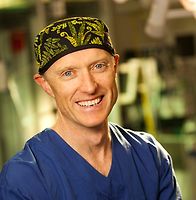
Dr Brendan Buckley
Interventional Radiologist
Available at Auckland City Hospital
-
Dr Holger Böhm
Radiologist
Available at Auckland City Hospital
-

Dr James Caldwell
Neuro Radiologist
Available at Auckland City Hospital
-

Dr Supriya Cardoza
Radiologist
Available at Greenlane Clinical Centre, Auckland City Hospital
-
Dr Christopher Cassady
Radiologist
Available at Starship Child Health, Central Auckland, Auckland City Hospital
-

Dr Brigid Connor
Interventional Radiologist
Available at Auckland City Hospital
-
Dr Laura Cosgrave
Radiologist
Available at Greenlane Clinical Centre
-

Dr Jennifer Davidson
Radiologist
Available at Auckland City Hospital
-

Dr David Davies-Payne
Radiologist
Available at Starship Child Health, Central Auckland
-
Dr Ilse Dirkzwager
Radiologist
Available at Auckland City Hospital
-

Dr David Dow
Radiologist
Available at Greenlane Clinical Centre, Auckland City Hospital
-

Dr Anthony Doyle
Radiologist
Available at Greenlane Clinical Centre, Auckland City Hospital
-

Dr David Duncan
Interventional Radiologist
Available at Auckland City Hospital
-
Dr Alastair Eason
Radiologist
Available at Auckland City Hospital
-
Dr Timothy Elliot
Neuro Radiologist
Available at Auckland City Hospital
-

Dr Rukshan Fernando
Interventional Radiologist
Available at Auckland City Hospital
-
Dr Ding Gao
Radiologist
Available at Greenlane Clinical Centre, Auckland City Hospital
-

Dr Maha George-Haddad
Obstetrician & Gynaecologist
Available at Greenlane Clinical Centre, Auckland City Hospital
-

Dr Rohana Gillies
Radiologist
Available at Auckland City Hospital
-

Associate Professor Andrew Holden
Interventional Radiologist
Available at Auckland City Hospital
-

Dr Damien Hoon
Radiologist
Available at Auckland City Hospital
-
Dr Alex Ivancevic
Obstetrician & Gynaecologist
Available at Greenlane Clinical Centre, Auckland City Hospital
-

Dr Darshna Kasabia
Radiologist
Available at Auckland City Hospital
-

Dr Colette Kennedy
Radiologist
Available at Greenlane Clinical Centre, Auckland City Hospital
-
Dr Kieran Kusel
Interventional Radiologist
Available at Auckland City Hospital
-

Dr Kevin Lee
Neuro Radiologist
Available at Auckland City Hospital
-
Dr Shane Lee
Neuro Radiologist
Available at Auckland City Hospital
-

Dr Bonnie Leung
Radiologist
Available at Starship Child Health, Central Auckland
-
Dr CHI LEUNG
Radiologist
Available at Auckland City Hospital
-

Dr Remy Lim
Radiologist
Available at Auckland City Hospital
-

Dr Lydia Lin
Radiologist
Available at Greenlane Clinical Centre, Auckland City Hospital
-

Dr Neda Maani
Radiologist
Available at Auckland City Hospital
-

Dr Mladen Macanovic
Radiologist
Available at Auckland City Hospital
-
Dr Marco Mancuso-Marcello
Radiologist
Available at Auckland City Hospital
-
Dr Abdelaziz Marzoug
Radiologist
Available at Auckland City Hospital
-
Dr Laura Mayhew
Radiologist
Available at Greenlane Clinical Centre, Auckland City Hospital
-

Dr Ben McGuinness
Neuro Radiologist
Available at Auckland City Hospital
-
Dr Divya Mehta
Radiologist
Available at Auckland City Hospital
-

Dr Stephen Merrilees
Interventional Radiologist
Available at Auckland City Hospital
-
Dr Russell Metcalfe
Radiologist
Available at Starship Child Health, Central Auckland
-

Dr David Milne
Radiology Clinical Director
Available at Greenlane Clinical Centre, Auckland City Hospital
-

Dr Rhian Miranda
Radiologist
Available at Greenlane Clinical Centre, Auckland City Hospital
-

Dr Helen Moore
Radiologist
Available at Auckland City Hospital
-

Dr Maurice Moriarty
Neuro Radiologist
Available at Auckland City Hospital
-

Dr Lionel Munemo
Nuclear Medicine Physician
Available at Auckland City Hospital
-

Dr Tomasz Myszewski
Radiologist
Available at Greenlane Clinical Centre, Auckland City Hospital
-
Dr Peter Newman
Radiologist
Available at Greenlane Clinical Centre, Auckland City Hospital
-

Dr Kate O'Connor
Radiologist
Available at Greenlane Clinical Centre, Auckland City Hospital
-
Dr Simone Oldham
Radiologist
Available at Greenlane Clinical Centre, Auckland City Hospital
-
Dr Matthew Page
Radiologist
Available at Auckland City Hospital
-
Dr Elisabeth Parks
Radiologist
Available at Greenlane Clinical Centre, Auckland City Hospital
-
Dr Snehal Patel
Interventional Radiologist
Available at Auckland City Hospital
-

Dr Kirstie Peake
Obstetrician & Gynaecologist
Available at Starship Child Health, Central Auckland, Auckland City Hospital
-

Dr David Perry
Radiologist
Available at Starship Child Health, Central Auckland
-

Dr Jane Reeve
Radiologist
Available at Greenlane Clinical Centre, Auckland City Hospital
-

Dr David Rogers
Radiologist
Available at Greenlane Clinical Centre, Auckland City Hospital
-
Dr Kristin Smith
Radiologist
Available at Greenlane Clinical Centre
-
Dr Rebecca Spouge
Radiologist
Available at Auckland City Hospital
-
Dr Rachelle Steyn
Nuclear Medicine Physician
Available at Auckland City Hospital
-

Dr Lara Sweetman
Radiologist
Available at Greenlane Clinical Centre, Auckland City Hospital
-
Dr Raymond Tai
Radiologist
Available at Auckland City Hospital
-
Dr Iona Thomas
Radiologist
Available at Starship Child Health, Central Auckland
-

Dr Yun-Jung Jack Tsai
Radiologist
Available at Auckland City Hospital
-

Dr Katie Vickery
Radiologist
Available at Auckland City Hospital
-
Dr Saidhanya Viswanathan
Radiologist
Available at Greenlane Clinical Centre, Auckland City Hospital
-

Dr Sally Vogel
Radiologist
Available at Starship Child Health, Central Auckland
-
Dr Karin Wells
Nuclear Medicine Physician
Available at Auckland City Hospital
-

Dr Jeremy Whitlock
Breast Radiologist
Available at Greenlane Clinical Centre
-

Dr Francessa Wilson
Starship Radiology Clinical Director
Available at Starship Child Health, Central Auckland
-

Dr Lee Young
Radiologist
Available at Auckland City Hospital
Doctors
Note: Please note below that some people are not available at all locations.
-

Dr Karen Billington
Radiologist
Available at Greenlane Clinical Centre, Auckland City Hospital
Referral Expectations
You must be assessed by your GP before you can be referred to the Radiology Department at the Auckland DHB (Greenlane and Starship sites). As there is only a certain amount of money and a limited number of specialists working at the hospital, it is not possible for the Radiology Department to see every patient who is referred.
There are currently more requests for appointments than we have the capacity to see. All requests from GPs for x-rays and ultrasound and other examinations should be made using the electronic referrals tool that GPs have on their computers. This tool helps the GP to know whether a particular imaging request is likely to be the right one. Sometimes it will advise him/her that other tests are needed before/or/ instead of an x-ray or ultrasound, or CT/MRI. Once the referral is received by the hospital, a priority rating is attached to that referral. The most urgent cases get seen first and more routine cases will wait longer. Referrals where a requested imaging exam has little chance of contributing to the diagnosis will not be done at all. In this latter case, the referring doctor will receive a letter suggesting an alternative (better) pathway to advance the diagnosis in that patient.
Radiology does have a role to play in providing reassurance that a particular disease is not present. However, where the chance of a patient having that disease is very small, this role for radiology must take second place to the diagnostic role in the public hospital, where resources are very limited. The private sector radiology service has the capacity provide the reassurance role for a fee.
Once the referral from your general practitioner is accepted by us we will write to you giving you an appointment time and date. These appointments are scarce. If you do receive one, please turn up on the day because, if you do not turn up, you will deprive another patient of this valuable appointment.
When you come please bring with you:
If you have an urgent orthopaedic condition such as a fracture or a bone infection, your doctor will send you to the Emergency Department at Auckland City Hospital and the doctors there will arrange x-rays or scans on the same day.
If you have a condition that was caused by an accident, you can get x-rays and scans done in the private sector and most of this cost will be paid for by the Accident Compensation Corporation. You will often receive swifter attention under the cover of the Accident Compensation Corporation in the private sector.
Hours
Greenlane Clinical Centre
7:30 AM to 4:30 PM.
| Mon – Fri | 7:30 AM – 4:30 PM |
|---|
The best times to visit are 07:30-09:30 and 14:30-16:30 as these are the least busy hours at GCC.
Public Holidays: Closed Waitangi Day (6 Feb), Good Friday (3 Apr), Easter Sunday (5 Apr), Easter Monday (6 Apr), ANZAC Day (observed) (27 Apr), King's Birthday (1 Jun), Matariki (10 Jul), Labour Day (26 Oct), Auckland Anniversary (1 Feb).
Starship Child Health, Central Auckland
8:30 AM to 3:30 PM.
| Mon – Fri | 8:30 AM – 3:30 PM |
|---|
Auckland City Hospital
7:30 AM to 5:00 PM.
| Mon – Fri | 7:30 AM – 5:00 PM |
|---|
Procedures / Treatments
Special pictures of the inside of the breast are taken to check for any problems. It can include mammograms, tomosynthesis (3D mammograms), ultrasounds, and magnetic resonance imaging (MRI).
Special pictures of the inside of the breast are taken to check for any problems. It can include mammograms, tomosynthesis (3D mammograms), ultrasounds, and magnetic resonance imaging (MRI).
Special pictures of the inside of the breast are taken to check for any problems. It can include mammograms, tomosynthesis (3D mammograms), ultrasounds, and magnetic resonance imaging (MRI).
A mammogram is a special type of x-ray used only for the breast. Mammography can be used either to look for very early breast cancer in women without breast symptoms (screening) or to examine women who do have breast symptoms (diagnostic). What to expect? You will need to undress from the waist up. One of your breasts will be positioned between two plastic plates which will flatten the breast slightly. Most women find that this is a bit uncomfortable, but not painful. Generally two x-rays are taken of each breast. It is also useful to compare the results with earlier examinations and you should take any previous mammography results with you.
A mammogram is a special type of x-ray used only for the breast. Mammography can be used either to look for very early breast cancer in women without breast symptoms (screening) or to examine women who do have breast symptoms (diagnostic). What to expect? You will need to undress from the waist up. One of your breasts will be positioned between two plastic plates which will flatten the breast slightly. Most women find that this is a bit uncomfortable, but not painful. Generally two x-rays are taken of each breast. It is also useful to compare the results with earlier examinations and you should take any previous mammography results with you.
A mammogram is a special type of x-ray used only for the breast. Mammography can be used either to look for very early breast cancer in women without breast symptoms (screening) or to examine women who do have breast symptoms (diagnostic).
What to expect?
You will need to undress from the waist up. One of your breasts will be positioned between two plastic plates which will flatten the breast slightly. Most women find that this is a bit uncomfortable, but not painful. Generally two x-rays are taken of each breast. It is also useful to compare the results with earlier examinations and you should take any previous mammography results with you.
With CT you can differentiate many more things than with a normal X-ray. A CT image is created by using an X-ray beam, which is sent through the body from different angles, and by using a complicated mathematical process the computer of the CT is able to produce an image. This allows cross-sectional images of the body without cutting it open. The CT is used to view all body structures but especially soft tissue such as body organs (heart, lungs, liver etc.). What to expect? You will have all metal objects removed from your body. You will lie down on a narrow padded moveable table that will be slid into the scanner, through a circular opening. You will feel nothing while the scan is in progress, but some people can feel slightly claustrophobic or closed in, whilst inside the scanner. You will be asked to remain still and hold your breath on command. There are staff present, but they will not necessarily remain in the room, but will speak with you via an intercom system and will be viewing the procedure constantly through a windowed control room, from where they will run the scanner. Some procedures will require Contrast Medium. Contrast medium is a substance that makes the image of the CT or MRI clearer. Contrast medium can be given by mouth, rectally, or by injection into the bloodstream.v The scan time will vary depending on the type of examination required, but as a rule it will take around 30 minutes.
With CT you can differentiate many more things than with a normal X-ray. A CT image is created by using an X-ray beam, which is sent through the body from different angles, and by using a complicated mathematical process the computer of the CT is able to produce an image. This allows cross-sectional images of the body without cutting it open. The CT is used to view all body structures but especially soft tissue such as body organs (heart, lungs, liver etc.). What to expect? You will have all metal objects removed from your body. You will lie down on a narrow padded moveable table that will be slid into the scanner, through a circular opening. You will feel nothing while the scan is in progress, but some people can feel slightly claustrophobic or closed in, whilst inside the scanner. You will be asked to remain still and hold your breath on command. There are staff present, but they will not necessarily remain in the room, but will speak with you via an intercom system and will be viewing the procedure constantly through a windowed control room, from where they will run the scanner. Some procedures will require Contrast Medium. Contrast medium is a substance that makes the image of the CT or MRI clearer. Contrast medium can be given by mouth, rectally, or by injection into the bloodstream.v The scan time will vary depending on the type of examination required, but as a rule it will take around 30 minutes.
With CT you can differentiate many more things than with a normal X-ray. A CT image is created by using an X-ray beam, which is sent through the body from different angles, and by using a complicated mathematical process the computer of the CT is able to produce an image. This allows cross-sectional images of the body without cutting it open. The CT is used to view all body structures but especially soft tissue such as body organs (heart, lungs, liver etc.).
What to expect?
You will have all metal objects removed from your body. You will lie down on a narrow padded moveable table that will be slid into the scanner, through a circular opening.
You will feel nothing while the scan is in progress, but some people can feel slightly claustrophobic or closed in, whilst inside the scanner. You will be asked to remain still and hold your breath on command. There are staff present, but they will not necessarily remain in the room, but will speak with you via an intercom system and will be viewing the procedure constantly through a windowed control room, from where they will run the scanner.
Some procedures will require Contrast Medium. Contrast medium is a substance that makes the image of the CT or MRI clearer. Contrast medium can be given by mouth, rectally, or by injection into the bloodstream.v
The scan time will vary depending on the type of examination required, but as a rule it will take around 30 minutes.
A special type of CT scan that looks at the amount of calcium in the heart's arteries. Read more about CT calcium score on the Healthify website.
A special type of CT scan that looks at the amount of calcium in the heart's arteries. Read more about CT calcium score on the Healthify website.
A special type of CT scan that looks at the amount of calcium in the heart's arteries. Read more about CT calcium score on the Healthify website.
A special type of CT scan that looks at the inside of the large intestine (colon) to check for growths or other problems, without needing a camera inside the body.
A special type of CT scan that looks at the inside of the large intestine (colon) to check for growths or other problems, without needing a camera inside the body.
A special type of CT scan that looks at the inside of the large intestine (colon) to check for growths or other problems, without needing a camera inside the body.
A type of imaging that uses continuous X-rays to show how parts of the body work in real time.
A type of imaging that uses continuous X-rays to show how parts of the body work in real time.
A type of imaging that uses continuous X-rays to show how parts of the body work in real time.
Image guided procedures in radiology use imaging technologies such as ultrasound, CT, or MRI to help doctors perform minimally invasive procedures such as biopsies and injections. The imaging allows doctors to be more precise, which often means less pain and faster recovery for the patient.
Image guided procedures in radiology use imaging technologies such as ultrasound, CT, or MRI to help doctors perform minimally invasive procedures such as biopsies and injections. The imaging allows doctors to be more precise, which often means less pain and faster recovery for the patient.
Image guided procedures in radiology use imaging technologies such as ultrasound, CT, or MRI to help doctors perform minimally invasive procedures such as biopsies and injections. The imaging allows doctors to be more precise, which often means less pain and faster recovery for the patient.
An MRI machine does not work like an X-ray or CT as it does not use any form of ionising radiation. Instead it uses a combination of magnetic fields and radio waves. It can create exact images of internal organs and body structures. However, a typical MRI scan takes considerably longer to perform than either an x-ray or a CT scan. What to expect? You will have all metal objects removed from your body. You will lie down on a narrow padded moveable table that will be slid into the scanner through a circular opening. You will feel nothing while the scan is in progress, but some people can feel slightly claustrophobic or closed in, whilst inside the scanner. You will be asked to remain still and hold your breath on command. There are staff present, but they will not necessarily remain in the room, but will speak with you via an intercom system and will be viewing the procedure constantly through a windowed control room, from where they will run the scanner. Some procedures will require Contrast medium. Contrast medium is a substance that makes the image of the CT or MRI clearer. Contrast can be given by mouth, rectally or by injection into the bloodstream. The scan time will vary depending on the type of examination required, but as a rule it will take around 30 minutes. ADHB Radiology MRI from Fiona Dorrell on Vimeo.
An MRI machine does not work like an X-ray or CT as it does not use any form of ionising radiation. Instead it uses a combination of magnetic fields and radio waves. It can create exact images of internal organs and body structures. However, a typical MRI scan takes considerably longer to perform than either an x-ray or a CT scan. What to expect? You will have all metal objects removed from your body. You will lie down on a narrow padded moveable table that will be slid into the scanner through a circular opening. You will feel nothing while the scan is in progress, but some people can feel slightly claustrophobic or closed in, whilst inside the scanner. You will be asked to remain still and hold your breath on command. There are staff present, but they will not necessarily remain in the room, but will speak with you via an intercom system and will be viewing the procedure constantly through a windowed control room, from where they will run the scanner. Some procedures will require Contrast medium. Contrast medium is a substance that makes the image of the CT or MRI clearer. Contrast can be given by mouth, rectally or by injection into the bloodstream. The scan time will vary depending on the type of examination required, but as a rule it will take around 30 minutes. ADHB Radiology MRI from Fiona Dorrell on Vimeo.
ADHB Radiology MRI from Fiona Dorrell on Vimeo.
A combination of two types of scans: PET (Positron Emission Tomography) and CT (Computed Tomography). The PET scan shows how organs and tissues are working, while the CT scan shows detailed pictures of their structure. Together, they help doctors diagnose and monitor diseases like cancer.
A combination of two types of scans: PET (Positron Emission Tomography) and CT (Computed Tomography). The PET scan shows how organs and tissues are working, while the CT scan shows detailed pictures of their structure. Together, they help doctors diagnose and monitor diseases like cancer.
A combination of two types of scans: PET (Positron Emission Tomography) and CT (Computed Tomography). The PET scan shows how organs and tissues are working, while the CT scan shows detailed pictures of their structure. Together, they help doctors diagnose and monitor diseases like cancer.
Ultrasound imaging, also called ultrasound scanning, is a method of obtaining pictures from inside the human body through the use of high frequency sound waves. Obstetric ultrasound refers to the specialised use of this technique to produce a picture of your unborn baby while it is inside your uterus (womb). The sound waves are emitted from a hand-held nozzle, which is placed on your stomach, and reflection of these sound waves is displayed as a picture of the moving foetus (unborn baby) on a monitor screen. No x-rays are involved in ultrasound imaging. Measurements of the image of the foetus help in the assessment of its size and growth as well as confirming the due date of delivery.
Ultrasound imaging, also called ultrasound scanning, is a method of obtaining pictures from inside the human body through the use of high frequency sound waves. Obstetric ultrasound refers to the specialised use of this technique to produce a picture of your unborn baby while it is inside your uterus (womb). The sound waves are emitted from a hand-held nozzle, which is placed on your stomach, and reflection of these sound waves is displayed as a picture of the moving foetus (unborn baby) on a monitor screen. No x-rays are involved in ultrasound imaging. Measurements of the image of the foetus help in the assessment of its size and growth as well as confirming the due date of delivery.
Ultrasound imaging, also called ultrasound scanning, is a method of obtaining pictures from inside the human body through the use of high frequency sound waves. Obstetric ultrasound refers to the specialised use of this technique to produce a picture of your unborn baby while it is inside your uterus (womb).
The sound waves are emitted from a hand-held nozzle, which is placed on your stomach, and reflection of these sound waves is displayed as a picture of the moving foetus (unborn baby) on a monitor screen.
No x-rays are involved in ultrasound imaging. Measurements of the image of the foetus help in the assessment of its size and growth as well as confirming the due date of delivery.
This is a specialised scanning method using low-level radioactive isotopes, injected into the bloodstream. The scanner is called a gamma camera and is used to measure the radiation levels given off from the isotopes. Some types of this scan are used for the following: assessment of thyroid function, location of tumours and possible spread, checking of bone fractures, assessing damage to the heart after coronary episodes.
This is a specialised scanning method using low-level radioactive isotopes, injected into the bloodstream. The scanner is called a gamma camera and is used to measure the radiation levels given off from the isotopes. Some types of this scan are used for the following: assessment of thyroid function, location of tumours and possible spread, checking of bone fractures, assessing damage to the heart after coronary episodes.
Service types: Theranostic therapies, Nuclear medicine (scintigraphy).
This is a specialised scanning method using low-level radioactive isotopes, injected into the bloodstream. The scanner is called a gamma camera and is used to measure the radiation levels given off from the isotopes. Some types of this scan are used for the following: assessment of thyroid function, location of tumours and possible spread, checking of bone fractures, assessing damage to the heart after coronary episodes.
In ultrasound, a beam of sound at a very high frequency (that cannot be heard) is sent into the body from a small vibrating crystal in a hand-held scanner head. When the beam meets a surface between tissues of different density, echoes of the sound beam are sent back into the scanner head. The time between sending the sound and receiving the echo back is fed into a computer, which in turn creates an image that is projected on a television screen. Ultrasound is a very safe type of imaging; this is why it is so widely used during pregnancy. Doppler ultrasound A Doppler study is a noninvasive test that can be used to evaluate blood flow by bouncing high-frequency sound waves (ultrasound) off red blood cells. The Doppler Effect is a change in the frequency of sound waves caused by moving objects. A Doppler study can estimate how fast blood flows by measuring the rate of change in its pitch (frequency). A Doppler study can help diagnose bloody clots, heart and leg valve problems and blocked or narrowed arteries. What to expect? After lying down, the area to be examined will be exposed. Generally a contact gel will be used between the scanner head and skin. The scanner head is then pressed against your skin and moved around and over the area to be examined. At the same time the internal images will appear onto a screen.
In ultrasound, a beam of sound at a very high frequency (that cannot be heard) is sent into the body from a small vibrating crystal in a hand-held scanner head. When the beam meets a surface between tissues of different density, echoes of the sound beam are sent back into the scanner head. The time between sending the sound and receiving the echo back is fed into a computer, which in turn creates an image that is projected on a television screen. Ultrasound is a very safe type of imaging; this is why it is so widely used during pregnancy. Doppler ultrasound A Doppler study is a noninvasive test that can be used to evaluate blood flow by bouncing high-frequency sound waves (ultrasound) off red blood cells. The Doppler Effect is a change in the frequency of sound waves caused by moving objects. A Doppler study can estimate how fast blood flows by measuring the rate of change in its pitch (frequency). A Doppler study can help diagnose bloody clots, heart and leg valve problems and blocked or narrowed arteries. What to expect? After lying down, the area to be examined will be exposed. Generally a contact gel will be used between the scanner head and skin. The scanner head is then pressed against your skin and moved around and over the area to be examined. At the same time the internal images will appear onto a screen.
In ultrasound, a beam of sound at a very high frequency (that cannot be heard) is sent into the body from a small vibrating crystal in a hand-held scanner head. When the beam meets a surface between tissues of different density, echoes of the sound beam are sent back into the scanner head. The time between sending the sound and receiving the echo back is fed into a computer, which in turn creates an image that is projected on a television screen. Ultrasound is a very safe type of imaging; this is why it is so widely used during pregnancy.
Doppler ultrasound
A Doppler study is a noninvasive test that can be used to evaluate blood flow by bouncing high-frequency sound waves (ultrasound) off red blood cells. The Doppler Effect is a change in the frequency of sound waves caused by moving objects. A Doppler study can estimate how fast blood flows by measuring the rate of change in its pitch (frequency). A Doppler study can help diagnose bloody clots, heart and leg valve problems and blocked or narrowed arteries.
What to expect?
After lying down, the area to be examined will be exposed. Generally a contact gel will be used between the scanner head and skin. The scanner head is then pressed against your skin and moved around and over the area to be examined. At the same time the internal images will appear onto a screen.
Women’s imaging covers the use of imaging procedures that specifically apply to women and can help in the diagnosis and care of diseases such as cancer of the breast, uterus, and ovaries.
Women’s imaging covers the use of imaging procedures that specifically apply to women and can help in the diagnosis and care of diseases such as cancer of the breast, uterus, and ovaries.
Women’s imaging covers the use of imaging procedures that specifically apply to women and can help in the diagnosis and care of diseases such as cancer of the breast, uterus, and ovaries.
An X-ray is a high frequency, high energy wave form. It cannot be seen with the naked eye, but can be picked up on photographic film. Although you may think of an X-ray as a picture of bones, a trained observer can also see air spaces, like the lungs (which look black) and fluid (which looks white, but not as white as bones). What to expect? You will have all metal objects removed from your body. You will be asked to remain still in a specific position and hold your breath on command. There are staff present, but they will not necessarily remain in the room, but will speak with you via an intercom system and will be viewing the procedure constantly through a windowed control room. The examination time will vary depending on the type of procedure required, but as a rule it will take around 30 minutes.
An X-ray is a high frequency, high energy wave form. It cannot be seen with the naked eye, but can be picked up on photographic film. Although you may think of an X-ray as a picture of bones, a trained observer can also see air spaces, like the lungs (which look black) and fluid (which looks white, but not as white as bones). What to expect? You will have all metal objects removed from your body. You will be asked to remain still in a specific position and hold your breath on command. There are staff present, but they will not necessarily remain in the room, but will speak with you via an intercom system and will be viewing the procedure constantly through a windowed control room. The examination time will vary depending on the type of procedure required, but as a rule it will take around 30 minutes.
An X-ray is a high frequency, high energy wave form. It cannot be seen with the naked eye, but can be picked up on photographic film. Although you may think of an X-ray as a picture of bones, a trained observer can also see air spaces, like the lungs (which look black) and fluid (which looks white, but not as white as bones).
What to expect?
You will have all metal objects removed from your body. You will be asked to remain still in a specific position and hold your breath on command. There are staff present, but they will not necessarily remain in the room, but will speak with you via an intercom system and will be viewing the procedure constantly through a windowed control room.
The examination time will vary depending on the type of procedure required, but as a rule it will take around 30 minutes.
Public Transport
Parking
Parking is difficult and often all the parking spaces are taken. You will have to pay a fee to park your car. Please consider taking a bus to Greenlane Hospital Radiology Department. Please visit Auckland Transport to plan your journey.
Website

Contact Details
Greenlane Clinical Centre
Central Auckland
7:30 AM to 4:30 PM.
-
Phone
(09) 367 0000
Website
Starship Child Health, Central Auckland
Central Auckland
8:30 AM to 3:30 PM.
-
Phone
(09) 307 4949
Website
Auckland City Hospital
Central Auckland
7:30 AM to 5:00 PM.
-
Phone
(09) 367 0000
Website
Was this page helpful?
This page was last updated at 12:21PM on May 25, 2026. This information is reviewed and edited by Radiology | Auckland | Te Toka Tumai.