
Central Auckland > GPs / Accident & Urgent Medical Care > ProCare >
Greenwood Medical Centre
General Practice (GP) Service
Today
8:00 AM to 6:00 PM.
Description
We are a large Cornerstone Accredited General Practice comprising of 12 experienced doctors, knowledgeable nurses and friendly administrative staff.
We believe in delivering the very best of New Zealand General Practice by providing compassionate and holistic medical care.
Our appointment-based bookings are available from Monday to Saturday.
We are based in Epsom, opposite the Cornwall Park Playground, with sheltered parking underneath the building. Our facilities include on-site radiology (x-ray, ultrasound), pharmacy, laboratory (blood tests), physiotherapy, dentist, podiatrist and visiting specialists/midwives.
We are not currently taking new patients.
Doctors
-

Dr Andrea Baker
General Practitioner - Vocationally Registered - Associate
-

Dr Faiza Bhikoo
General Practice (Vocationally Registered)
-
Dr Francesca Bryant
General Practitioner - Vocationally Registered
-

Dr John Carter
General Practitioner - Vocationally Registered
-
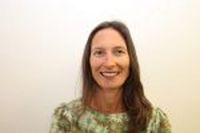
Dr Catherine Cearns
General Practitioner - Vocationally Registered
-

Dr Tony Chiu
General Practitioner - Vocationally Registered
-

Dr Russell Eggleton
General Practitioner - Vocationally Registered
-
Dr Harrison Fellowes
General Practitioner
-
Dr Mary Furniss
General Practitioner
-

Dr Julie Holden
General Practitioner - Vocationally Registered - Associate
-

Dr Lalita Jefferies
General Practitioner - Vocationally Registered
-
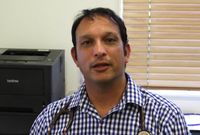
Dr Scott McLaren
General Practitioner - Vocationally Registered
-
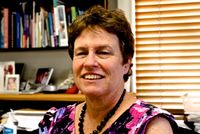
Dr Fiona McLean
General Practitioner - Vocationally Registered - Associate
-

Dr Helen Schimanski
General Practitioner - Vocationally Registered
-

Dr Allison Shaw
General Practitioner - Vocationally Registered
-
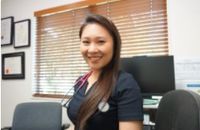
Dr Angela (Tianyu) Zhang
General Practitioner
How do I access this service?
Make an appointment, Enrolled patients
Enrolling new patients
Fees
Enrolled Patient Fees
| Age Range | Without CSC | With CSC |
|---|---|---|
| Under 6 years | Free | Free |
| 6 to 13 years | Free | Free |
| 14 to 17 years | $61.00 | $13.00 |
| 18 to 24 years | $66.00 | $19.50 |
| 25 to 44 years | $73.00 | $19.50 |
| 45 to 64 years | $73.00 | $19.50 |
| 65+ years | $68.00 | $19.50 |
|
ENROLLED / FUNDED PATIENTS |
|||||
|
Standard Consult wit CSC |
Standard Fee |
ACC |
ACC Consult with CSC |
Evening & Weekend Surcharge |
|
|
Up to 14 years |
Free | Free | Free | Free |
+ $15.00 |
|
14 - 17 years |
$13.00 | $61.00 | $56.00 | $13.00 |
+ $15.00 |
|
18 - 24 years |
$19.50 | $66.00 | $61.00 | $19.50 |
+ $15.00 |
|
25 - 64 years |
$19.50 | $73.00 | $68.00 | $19.50 |
+ $15.00 |
|
65 and over |
$19.50 | $68.00 | $63.00 | $19.50 |
+ $15.00 |
|
NON-ENROLLED / NON-FUNDED PATIENTS |
||||
|
|
Standard Fee |
CSC / High User Card |
ACC |
Evening & Weekend Surcharge |
|
Up to 14 |
$68.00* | $66.00 | $41.00 |
+ $15.00 |
|
14 to 17 |
$88.00* | $82.00 | $66.00 |
+ $15.00 |
|
Adult 18 & Over |
$108.00 | $88.00 | $71.00 |
+ $15.00 |
ADDITIONAL FEES
Charges may apply for missed appointments.
Additional charges apply for extra time taken and extra services provided.
Non NZ resident consultation fee is $138 per 15 minute appointment.
Weekend surcharge of $15 applies for all patients.
Hours
8:00 AM to 6:00 PM.
| Mon – Fri | 8:00 AM – 6:00 PM |
|---|---|
| Sat | 9:00 AM – 4:00 PM |
Note: Saturday Clinic is for patient to phone for appointment. This is NOT a walk-in clinic.
Public Holidays: Closed Waitangi Day (6 Feb), Good Friday (3 Apr), Easter Sunday (5 Apr), Easter Monday (6 Apr), ANZAC Day (observed) (27 Apr), King's Birthday (1 Jun), Matariki (10 Jul), Labour Day (26 Oct), Auckland Anniversary (1 Feb).
Preferred urgent care clinic out of hours: White Cross Ascot - Urgent Care.
Languages Spoken
English, Cantonese Chinese
Services Provided
Immunisation is the safest and most effective way to provide protection for you and your tamariki’s health. For more information view the NZ immunisation schedule.
Immunisation is the safest and most effective way to provide protection for you and your tamariki’s health. For more information view the NZ immunisation schedule.
- Pregnancy vaccinations
- Childhood immunisation programme
- 45 year old vaccinations
- Adult flu vaccine
- 65 year old vaccinations
- Child flu vaccine
- Human Papillomavirus (HPV) vaccine
- Diphtheria / Tetanus / Pertussis (whooping cough) vaccine
- Measles / Mumps / Rubella (MMR) vaccine
- Meningococcal vaccine
- Travel vaccinations
- Shingles vaccine
- COVID-19 vaccination and boosters
- Catch-up missed vaccinations
- Respiratory syncytial virus (RSV) vaccine
- Privately funded vaccinations
Immunisation is the safest and most effective way to provide protection for you and your tamariki’s health. For more information view the NZ immunisation schedule.
A primary care medical practice is far more than a place to go when you are feeling unwell and needing a quick cure. The medical staff are able to help children and adults of all ages with a range of physical and emotional difficulties. Staff are at the centre of the healthcare hub and will be aware of services and expertise that are available locally and further-a-field. They are also aware of the link that stress and unhappy life events have on physical health so know when to suggest a talking therapy rather than medication. Karen Adams RN runs nurse led clinics for CVD Risk, Smoking and Diabetes Care. Please make an appointments to see Karen with our receptionists.
A primary care medical practice is far more than a place to go when you are feeling unwell and needing a quick cure. The medical staff are able to help children and adults of all ages with a range of physical and emotional difficulties. Staff are at the centre of the healthcare hub and will be aware of services and expertise that are available locally and further-a-field. They are also aware of the link that stress and unhappy life events have on physical health so know when to suggest a talking therapy rather than medication. Karen Adams RN runs nurse led clinics for CVD Risk, Smoking and Diabetes Care. Please make an appointments to see Karen with our receptionists.
A primary care medical practice is far more than a place to go when you are feeling unwell and needing a quick cure. The medical staff are able to help children and adults of all ages with a range of physical and emotional difficulties. Staff are at the centre of the healthcare hub and will be aware of services and expertise that are available locally and further-a-field. They are also aware of the link that stress and unhappy life events have on physical health so know when to suggest a talking therapy rather than medication.
Karen Adams RN runs nurse led clinics for CVD Risk, Smoking and Diabetes Care. Please make an appointments to see Karen with our receptionists.
Primary care medical practices offer a range of services and are able to deal with most minor accident care. If they are not able to deal with an injury they will refer on to the appropriate service.
Primary care medical practices offer a range of services and are able to deal with most minor accident care. If they are not able to deal with an injury they will refer on to the appropriate service.
Primary care medical practices offer a range of services and are able to deal with most minor accident care. If they are not able to deal with an injury they will refer on to the appropriate service.
Minor surgery is commonly provided in primary care medical practices, providing fast, competent removal and biopsies of skin lesions. Other services include cosmetic work such as removal of benign moles and skin tags. Ingrown toenail surgery is also commonly provided. These conditions do not need to be referred to a hospital, perhaps saving you a long wait or a cancelled appointment when a more serious case takes priority.
Minor surgery is commonly provided in primary care medical practices, providing fast, competent removal and biopsies of skin lesions. Other services include cosmetic work such as removal of benign moles and skin tags. Ingrown toenail surgery is also commonly provided. These conditions do not need to be referred to a hospital, perhaps saving you a long wait or a cancelled appointment when a more serious case takes priority.
Minor surgery is commonly provided in primary care medical practices, providing fast, competent removal and biopsies of skin lesions. Other services include cosmetic work such as removal of benign moles and skin tags. Ingrown toenail surgery is also commonly provided.
These conditions do not need to be referred to a hospital, perhaps saving you a long wait or a cancelled appointment when a more serious case takes priority.
Each primary care medical practice will have its own procedure for repeat prescribing but the following rules are common to most, if not all. Patients who are well-known to the practice who have a stable condition like asthma, hypertension or diabetes could be allowed to get a repeat prescription for up to six months. Repeat prescriptions are never given to patients who are not known to the practice and there is probably a blanket ban on repeats for narcotics and other drugs that could be misused as doctors are expected to monitor these drugs carefully. For repeat prescriptions to to www.greenwoodmedical.co.nz
Each primary care medical practice will have its own procedure for repeat prescribing but the following rules are common to most, if not all. Patients who are well-known to the practice who have a stable condition like asthma, hypertension or diabetes could be allowed to get a repeat prescription for up to six months. Repeat prescriptions are never given to patients who are not known to the practice and there is probably a blanket ban on repeats for narcotics and other drugs that could be misused as doctors are expected to monitor these drugs carefully. For repeat prescriptions to to www.greenwoodmedical.co.nz
Each primary care medical practice will have its own procedure for repeat prescribing but the following rules are common to most, if not all. Patients who are well-known to the practice who have a stable condition like asthma, hypertension or diabetes could be allowed to get a repeat prescription for up to six months. Repeat prescriptions are never given to patients who are not known to the practice and there is probably a blanket ban on repeats for narcotics and other drugs that could be misused as doctors are expected to monitor these drugs carefully.
For repeat prescriptions to to www.greenwoodmedical.co.nz
Sometimes a sample of blood or urine is needed to discover what is wrong with you or to measure something in your blood so that the right medication is given to you. These tests could be anything from blood sugar to a full blood count or a sample of tissue to test for cancer. While urine can generally be tested in the surgery, blood and other specimens are usually sent away for testing at a laboratory. Most results come back within 48 hours unless a very rare test is needed which has to go to a specialist lab further away when it might take a little longer.
Sometimes a sample of blood or urine is needed to discover what is wrong with you or to measure something in your blood so that the right medication is given to you. These tests could be anything from blood sugar to a full blood count or a sample of tissue to test for cancer. While urine can generally be tested in the surgery, blood and other specimens are usually sent away for testing at a laboratory. Most results come back within 48 hours unless a very rare test is needed which has to go to a specialist lab further away when it might take a little longer.
Sometimes a sample of blood or urine is needed to discover what is wrong with you or to measure something in your blood so that the right medication is given to you. These tests could be anything from blood sugar to a full blood count or a sample of tissue to test for cancer.
While urine can generally be tested in the surgery, blood and other specimens are usually sent away for testing at a laboratory. Most results come back within 48 hours unless a very rare test is needed which has to go to a specialist lab further away when it might take a little longer.
Liquid nitrogen is a fast, effective treatment provided in many practices to treat viral warts, sun damaged skin, skin tags and many benign cosmetic lesions. It comes in a container with a nozzle and is usually applied by swab or spray. Often one treatment is all that is needed but sometimes it may need repeating after two weeks. Because it cannot be stored for too long, you will often find that a number of patients will be treated one after the other. For more information click here.
Liquid nitrogen is a fast, effective treatment provided in many practices to treat viral warts, sun damaged skin, skin tags and many benign cosmetic lesions. It comes in a container with a nozzle and is usually applied by swab or spray. Often one treatment is all that is needed but sometimes it may need repeating after two weeks. Because it cannot be stored for too long, you will often find that a number of patients will be treated one after the other. For more information click here.
Liquid nitrogen is a fast, effective treatment provided in many practices to treat viral warts, sun damaged skin, skin tags and many benign cosmetic lesions. It comes in a container with a nozzle and is usually applied by swab or spray. Often one treatment is all that is needed but sometimes it may need repeating after two weeks.
Because it cannot be stored for too long, you will often find that a number of patients will be treated one after the other.
For more information click here.
LARC methods are very effective at preventing unplanned pregnancy and are “fit and forget” forms of contraception – you don’t need to remember them every day or every month. LARC methods: Intrauterine Contraceptive Devices (IUCD or IUD) are inserted through the cervix into a woman’s uterus. IUCDs may be either hormonal (Mirena® or Jaydess® ) or non-hormonal (copper IUCD). Jadelle® is a hormone-releasing implant that is inserted just under the skin of the upper arm. Depending on the type of device, it will need to be changed after between three and ten years. Read more about LARC methods here
LARC methods are very effective at preventing unplanned pregnancy and are “fit and forget” forms of contraception – you don’t need to remember them every day or every month. LARC methods: Intrauterine Contraceptive Devices (IUCD or IUD) are inserted through the cervix into a woman’s uterus. IUCDs may be either hormonal (Mirena® or Jaydess® ) or non-hormonal (copper IUCD). Jadelle® is a hormone-releasing implant that is inserted just under the skin of the upper arm. Depending on the type of device, it will need to be changed after between three and ten years. Read more about LARC methods here
LARC methods are very effective at preventing unplanned pregnancy and are “fit and forget” forms of contraception – you don’t need to remember them every day or every month. LARC methods:
- Intrauterine Contraceptive Devices (IUCD or IUD) are inserted through the cervix into a woman’s uterus. IUCDs may be either hormonal (Mirena® or Jaydess® ) or non-hormonal (copper IUCD).
- Jadelle® is a hormone-releasing implant that is inserted just under the skin of the upper arm.
Depending on the type of device, it will need to be changed after between three and ten years.
Read more about LARC methods here
All women and people with a cervix aged 25 – 69 who have ever had intimate skin-to-skin contact or been sexually active should have regular cervical screening. This includes women who have been immunised against HPV. Together, regular screening and HPV immunisation provide the best protection against cervical cancer. There are now more options for how you have cervical screening done: a simple vaginal swab test for HPV, either done yourself or with help from a healthcare professional a cervical sample taken by a healthcare professional (used to be known as a smear test). Talk with your healthcare provider to decide which option is best for you. If HPV is found, you may need to have a follow-up test or be referred directly for colposcopy. If you’ve not yet had HPV testing, you should be screened 3 years after your last test (or 1 year if immune deficient). Once you have had an HPV test, and providing HPV is not found, your next screening will be in 5 years (or 3 years if immune deficient). For more information: Cervical screening | Time to Screen - National Screening Unit If you wish to have a cervical smear ask our receptionist to make an appointment with our nurses Karen, Pippa, Anna or Robyn who are registered smear takers.
All women and people with a cervix aged 25 – 69 who have ever had intimate skin-to-skin contact or been sexually active should have regular cervical screening. This includes women who have been immunised against HPV. Together, regular screening and HPV immunisation provide the best protection against cervical cancer. There are now more options for how you have cervical screening done: a simple vaginal swab test for HPV, either done yourself or with help from a healthcare professional a cervical sample taken by a healthcare professional (used to be known as a smear test). Talk with your healthcare provider to decide which option is best for you. If HPV is found, you may need to have a follow-up test or be referred directly for colposcopy. If you’ve not yet had HPV testing, you should be screened 3 years after your last test (or 1 year if immune deficient). Once you have had an HPV test, and providing HPV is not found, your next screening will be in 5 years (or 3 years if immune deficient). For more information: Cervical screening | Time to Screen - National Screening Unit If you wish to have a cervical smear ask our receptionist to make an appointment with our nurses Karen, Pippa, Anna or Robyn who are registered smear takers.
All women and people with a cervix aged 25 – 69 who have ever had intimate skin-to-skin contact or been sexually active should have regular cervical screening. This includes women who have been immunised against HPV. Together, regular screening and HPV immunisation provide the best protection against cervical cancer.
There are now more options for how you have cervical screening done:
- a simple vaginal swab test for HPV, either done yourself or with help from a healthcare professional
- a cervical sample taken by a healthcare professional (used to be known as a smear test).
Talk with your healthcare provider to decide which option is best for you.
If HPV is found, you may need to have a follow-up test or be referred directly for colposcopy.
If you’ve not yet had HPV testing, you should be screened 3 years after your last test (or 1 year if immune deficient). Once you have had an HPV test, and providing HPV is not found, your next screening will be in 5 years (or 3 years if immune deficient).
For more information: Cervical screening | Time to Screen - National Screening Unit
If you wish to have a cervical smear ask our receptionist to make an appointment with our nurses Karen, Pippa, Anna or Robyn who are registered smear takers.
An ECG is a recording of your heart's electrical activity. Electrode patches are attached to your skin to measure the electrical impulses given off by your heart. The result is a trace that can give information of previous heart attacks or problems with the heart rhythm.
An ECG is a recording of your heart's electrical activity. Electrode patches are attached to your skin to measure the electrical impulses given off by your heart. The result is a trace that can give information of previous heart attacks or problems with the heart rhythm.
An ECG is a recording of your heart's electrical activity. Electrode patches are attached to your skin to measure the electrical impulses given off by your heart. The result is a trace that can give information of previous heart attacks or problems with the heart rhythm.
Spirometry is a tool that measures how effectively your lungs are working. It can show how much air lungs are able to hold (their volume) and how much air can be breathed in and out (inhaled and exhaled) which is called flow. It can be used to diagnose problems of breathing and monitor the usefulness of treatment. The test involves taking a deep breath in and blowing out as hard as you can into a hollow tube attached to a spirometer machine. You will be asked to do the test several times. The whole process takes 15 - 30 minutes depending on whether you are given some inhaled medicine and asked to do it again to monitor if there is an improvement. Read more about Spirometry on the Healthify website Peak flow meter This is a small hand-held tube that can measure what is happening in your breathing tubes. You can have one at home and measure your peak flow by blowing into it as hard and fast as possible. You will be shown how to measure it and compare it with what you can blow when you are well as part of your asthma management plan if you think you are having an asthma attack. For more information view on the Healthify website
Spirometry is a tool that measures how effectively your lungs are working. It can show how much air lungs are able to hold (their volume) and how much air can be breathed in and out (inhaled and exhaled) which is called flow. It can be used to diagnose problems of breathing and monitor the usefulness of treatment. The test involves taking a deep breath in and blowing out as hard as you can into a hollow tube attached to a spirometer machine. You will be asked to do the test several times. The whole process takes 15 - 30 minutes depending on whether you are given some inhaled medicine and asked to do it again to monitor if there is an improvement. Read more about Spirometry on the Healthify website Peak flow meter This is a small hand-held tube that can measure what is happening in your breathing tubes. You can have one at home and measure your peak flow by blowing into it as hard and fast as possible. You will be shown how to measure it and compare it with what you can blow when you are well as part of your asthma management plan if you think you are having an asthma attack. For more information view on the Healthify website
Spirometry is a tool that measures how effectively your lungs are working. It can show how much air lungs are able to hold (their volume) and how much air can be breathed in and out (inhaled and exhaled) which is called flow. It can be used to diagnose problems of breathing and monitor the usefulness of treatment. The test involves taking a deep breath in and blowing out as hard as you can into a hollow tube attached to a spirometer machine. You will be asked to do the test several times. The whole process takes 15 - 30 minutes depending on whether you are given some inhaled medicine and asked to do it again to monitor if there is an improvement. Read more about Spirometry on the Healthify website
Peak flow meter This is a small hand-held tube that can measure what is happening in your breathing tubes. You can have one at home and measure your peak flow by blowing into it as hard and fast as possible. You will be shown how to measure it and compare it with what you can blow when you are well as part of your asthma management plan if you think you are having an asthma attack. For more information view on the Healthify website
Another service offered to you at your primary care medical practice is advice and immunisation before you go to another country. While you are likely to have the immunisations needed to live in New Zealand, there may be other injections you need to protect yourself before going for example to Africa or South America. In some places you will need protection from rabies or malaria. Yellow fever vaccinations are only available at approved centres; please click here to view the centres in New Zealand. Your healthcare provider will be able to tell you what diseases you will need to be protected from in any named country and advise you on other medical matters.
Another service offered to you at your primary care medical practice is advice and immunisation before you go to another country. While you are likely to have the immunisations needed to live in New Zealand, there may be other injections you need to protect yourself before going for example to Africa or South America. In some places you will need protection from rabies or malaria. Yellow fever vaccinations are only available at approved centres; please click here to view the centres in New Zealand. Your healthcare provider will be able to tell you what diseases you will need to be protected from in any named country and advise you on other medical matters.
Another service offered to you at your primary care medical practice is advice and immunisation before you go to another country. While you are likely to have the immunisations needed to live in New Zealand, there may be other injections you need to protect yourself before going for example to Africa or South America. In some places you will need protection from rabies or malaria. Yellow fever vaccinations are only available at approved centres; please click here to view the centres in New Zealand. Your healthcare provider will be able to tell you what diseases you will need to be protected from in any named country and advise you on other medical matters.
All New Zealand children are entitled to 11 free health checks from birth to three years. The checks aim to ensure that children are growing and developing as well as possible. Included in the checks are clinical assessment, health education and family/whanau support. Baby checks are at birth and then at 24 hours, five days and around 2-4 weeks. Babies are weighed and measured to ensure that they are developing correctly. These sessions provide a great opportunity for parents to ask questions from an expert and have any problem addressed; difficulties with breastfeeding or sleep for example. They can also be used to discuss immunisations and vaccinations. These checks will be carried out by your lead maternity carer (LMC). Between the ages of 4-6 weeks and three years, there are seven core health checks available, typically these are around 4-6 weeks, 8-10 weeks, 3-4 months, 5-7 months, 9-12 months, 15-18 months and 2-3 years. These checks may be carried out by a Well Child Provider of your choice e.g. Plunket, Māori health provider, community nurse, a general or nurse-led practice. Your LMC will be able to give you a list of Well Child Providers in your area. More information about Well Child services is available on the Ministry of Health website.
All New Zealand children are entitled to 11 free health checks from birth to three years. The checks aim to ensure that children are growing and developing as well as possible. Included in the checks are clinical assessment, health education and family/whanau support. Baby checks are at birth and then at 24 hours, five days and around 2-4 weeks. Babies are weighed and measured to ensure that they are developing correctly. These sessions provide a great opportunity for parents to ask questions from an expert and have any problem addressed; difficulties with breastfeeding or sleep for example. They can also be used to discuss immunisations and vaccinations. These checks will be carried out by your lead maternity carer (LMC). Between the ages of 4-6 weeks and three years, there are seven core health checks available, typically these are around 4-6 weeks, 8-10 weeks, 3-4 months, 5-7 months, 9-12 months, 15-18 months and 2-3 years. These checks may be carried out by a Well Child Provider of your choice e.g. Plunket, Māori health provider, community nurse, a general or nurse-led practice. Your LMC will be able to give you a list of Well Child Providers in your area. More information about Well Child services is available on the Ministry of Health website.
All New Zealand children are entitled to 11 free health checks from birth to three years. The checks aim to ensure that children are growing and developing as well as possible. Included in the checks are clinical assessment, health education and family/whānau support.
Baby checks are at birth and then at 24 hours, five days and around 2-4 weeks. Babies are weighed and measured to ensure that they are developing correctly. These sessions provide a great opportunity for parents to ask questions from an expert and have any problem addressed; difficulties with breastfeeding or sleep for example. They can also be used to discuss immunisations and vaccinations. These checks will be carried out by your lead maternity carer (LMC).
Between the ages of 4-6 weeks and three years, there are seven core health checks available, typically these are around 4-6 weeks, 8-10 weeks, 3-4 months, 5-7 months, 9-12 months, 15-18 months and 2-3 years. These checks may be carried out by a Well Child Provider of your choice e.g. Plunket, Māori health provider, community nurse, a general or nurse-led practice. Your LMC will be able to give you a list of Well Child Providers in your area.
More information about Well Child services is available on the Ministry of Health website.
This service offers support to people who are overweight or obese to reach and maintain a healthy weight. Weight loss approaches may involve diet and lifestyle changes or weight loss medications, or both may be offered.
This service offers support to people who are overweight or obese to reach and maintain a healthy weight. Weight loss approaches may involve diet and lifestyle changes or weight loss medications, or both may be offered.
This service offers support to people who are overweight or obese to reach and maintain a healthy weight. Weight loss approaches may involve diet and lifestyle changes or weight loss medications, or both may be offered.
Health screening tests check for health conditions or early warning signs of disease.
Health screening tests check for health conditions or early warning signs of disease.
- Cervical screening
- Prostate check
- Breast check (clinical breast exam)
Health screening tests check for health conditions or early warning signs of disease.
Sexual and reproductive health services including sexual health screening, information and birth control.
Sexual and reproductive health services including sexual health screening, information and birth control.
- Contraception (birth control) advice
- Menopause
- STD checks (Sexually transmitted disease)
- Pregnancy testing
- Male sexual health
Sexual and reproductive health services including sexual health screening, information and birth control.
Online Booking URL
Website

Contact Details
641 Manukau Road, Royal Oak, Auckland
Central Auckland
8:00 AM to 6:00 PM.
-
Phone
(09) 625 6173
-
Fax
(09) 624 2169
Healthlink EDI
greenwmc
Email
Website
For 24 hours care you call (09) 6256173 and you are directly linked to HML Medical Service.
641 Manukau Road
Epsom
Auckland 1023
Street Address
641 Manukau Road
Epsom
Auckland 1023
Postal Address
641 Manukau Road
Royal Oak
Auckland 1023
Would you recommend this service to family & friends?
See ReviewsWas this page helpful?
This page was last updated at 10:45AM on January 19, 2026. This information is reviewed and edited by Greenwood Medical Centre.