
Bay of Plenty > Private Hospitals & Specialists >
Grace Hospital - Weight Loss (Bariatric) Surgery
Private Surgical Service, Bariatric (Weight Loss) Surgery
Description
Grace Hospital is a private surgical hospital in Tauranga committed to surgical excellence and achieving the best outcomes for our patients. Our surgeons are of the highest calibre, supported by highly trained and experienced nursing staff.
Our inpatient ward comprises 48 single rooms, each with a private en-suite bathroom and balcony. We have nine operating theatres and a three-bed High Dependency room where patients requiring dedicated nursing are cared for after surgery.
Obesity is one of the major challenges facing New Zealand. Increasingly sedentary employment and limited regular exercise has contributed to this. The Ministry of Health annual update from the 2017-2018 Health survey detailed a 32% rate of obesity in adults (15 years and over) and a further 43% of the population classed as overweight but not obese.
Lifestyle interventions can be effective in the short term but maintenance of weight loss over a longer period can be difficult.
Over the past decade, surgical intervention as an effective treatment option has steadily increased in popularity. The benefits of significant weight loss contribute to health gains across the body systems such as reducing the incidence of diabetes, and delaying the onset of joint problems.
Grace Hospital has an excellent team of skilled health professionals who will provide caring and sensitive support during your procedure and recovery.
Bariatric surgery at Grace Hospital offers Laparoscopic Sleeve Gastrectomy and Laparoscopic Gastric Bypass.
Consultants
-

Mr Daniel Mafi
Upper GI, Bariatric and General Surgeon
-
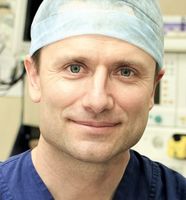
Mr Barnaby Smith
General, Bariatric and Endoscopic Surgeon
Ages
Adult / Pakeke, Older adult / Kaumātua
Fees and Charges Categorisation
Fees apply
Fees and Charges Description
Find payment information here
Languages Spoken
English
Services Provided
Bariatric or weight loss surgery refers to a number of different procedures that can be performed to treat obesity. Procedures fall into three main types: Malabsorptive - these procedures involve bypassing a section of the small intestine thus reducing the amount of food absorbed into the body. Laparoscopic Gastric Bypass involves bypassing a section of the intestine so that less food is absorbed. Restrictive - these procedures involve reducing the size of the stomach, usually by creating a small pouch at the top of the stomach which limits the amount of food that can be eaten. Laparoscopic Gastric Banding is a surgical treatment for obesity that involves placing an inflatable cuff around the upper stomach. The cuff can be further inflated or deflated to adjust the volume of food that can be consumed. Malabsorptive/Restrictive Combination - these procedures combine both techniques e.g. gastric bypass surgery in which a small stomach pouch is formed and its outlet connected to part of the small intestine.
Bariatric or weight loss surgery refers to a number of different procedures that can be performed to treat obesity. Procedures fall into three main types: Malabsorptive - these procedures involve bypassing a section of the small intestine thus reducing the amount of food absorbed into the body. Laparoscopic Gastric Bypass involves bypassing a section of the intestine so that less food is absorbed. Restrictive - these procedures involve reducing the size of the stomach, usually by creating a small pouch at the top of the stomach which limits the amount of food that can be eaten. Laparoscopic Gastric Banding is a surgical treatment for obesity that involves placing an inflatable cuff around the upper stomach. The cuff can be further inflated or deflated to adjust the volume of food that can be consumed. Malabsorptive/Restrictive Combination - these procedures combine both techniques e.g. gastric bypass surgery in which a small stomach pouch is formed and its outlet connected to part of the small intestine.
Bariatric or weight loss surgery refers to a number of different procedures that can be performed to treat obesity. Procedures fall into three main types:
Malabsorptive - these procedures involve bypassing a section of the small intestine thus reducing the amount of food absorbed into the body.
Laparoscopic Gastric Bypass involves bypassing a section of the intestine so that less food is absorbed.
Restrictive - these procedures involve reducing the size of the stomach, usually by creating a small pouch at the top of the stomach which limits the amount of food that can be eaten.
Laparoscopic Gastric Banding is a surgical treatment for obesity that involves placing an inflatable cuff around the upper stomach. The cuff can be further inflated or deflated to adjust the volume of food that can be consumed.
Malabsorptive/Restrictive Combination - these procedures combine both techniques e.g. gastric bypass surgery in which a small stomach pouch is formed and its outlet connected to part of the small intestine.
Surgery to create a permanent reduction in the size of the stomach to reduce appetite and create weight loss.
Surgery to create a permanent reduction in the size of the stomach to reduce appetite and create weight loss.
Surgery to create a permanent reduction in the size of the stomach to reduce appetite and create weight loss.
Surgery to create a small stomach pouch and bypass the remaining stomach to produce weight loss.
Surgery to create a small stomach pouch and bypass the remaining stomach to produce weight loss.
Service types: Bariatric surgery procedures.
Surgery to create a small stomach pouch and bypass the remaining stomach to produce weight loss.
Visiting Hours
Visiting hours are between 9:00am and 8:30pm daily.
Patient meal times are: breakfast 7.30am, lunch 12.00 noon and dinner 6.00pm.
Refreshments
Complimentary tea, instant coffee and chilled drinking water in the patient lounge.
The Coffee Clinic cafeteria in the main foyer on the ground floor is open 7:30am to 3:30pm Monday to Friday. Outside these times drinks and snacks are available from the food carousel in the main foyer.
Meals may be purchased at the hospital while visiting - speak to a nurse or receptionist for assistance.
Parking
There is plenty of free car parking in the campus grounds.
Accommodation
There is a variety of accommodation options within a reasonable distance of the hospital campus.
Pharmacy
Find your nearest pharmacy here
Other
Grace is a non-smoking campus so please refrain from smoking in the hospital or on the grounds.
Website

Contact Details
Grace Hospital, Tauranga
Bay of Plenty
-
Phone
(07) 577 5270
Website
Due to ongoing construction projects, please use our main entrance (Gate 1).
281 Cheyne Road
Oropi
Tauranga
Bay of Plenty 3112
Street Address
281 Cheyne Road
Oropi
Tauranga
Bay of Plenty 3112
Postal Address
PO Box 2320
Tauranga 3144
Was this page helpful?
This page was last updated at 10:36AM on December 19, 2025. This information is reviewed and edited by Grace Hospital - Weight Loss (Bariatric) Surgery.