
Bay of Plenty > Private Hospitals & Specialists >
Grace Hospital - Endoscopy
Private Surgical Service, Endoscopy (Gastroenterology), Gastroenterology, General Surgery
Description
Grace Hospital is a private surgical hospital in Tauranga committed to surgical excellence and achieving the best outcomes for our patients. Our surgeons are of the highest calibre, supported by highly trained and experienced nursing staff.
Our inpatient ward comprises 48 single rooms, each with a private en-suite bathroom and balcony. We have nine operating theatres and a three-bed High Dependency room where patients requiring dedicated nursing are cared for after surgery.
An endoscopy is a nonsurgical procedure used in the examination and treatment of the gastrointestinal tract. This is a very accurate method to detect problems that affect any area of the gastrointestinal tract.
Grace Hospital has an excellent team of qualified Gastroenterologists, and Colorectal and Endoscopic Surgeons that perform a number of different procedures including sigmoidoscopy, colonoscopy and gastroscopy. Carried out by trained professionals, the technique of endoscopy is extremely safe, with a very low risk of complications.
Endoscopic procedures at Grace Hospital offers Tauranga patients significant benefits in the diagnosis and treatment of gastrointestinal tract complications.
Consultants
-

Dr Janet Ansell
Colorectal and General Surgeon
-

Dr Adrian Claydon
Physician and Gastroenterologist
-
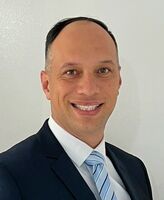
Dr Benjamin Cribb
General and Colorectal Surgeon
-

Dr Robert Cunliffe
Gastroenterologist and Internal Medicine
-

Mr Avi Kumar
General and Laparo-endoscopic Surgeon
-

Dr Alex Lampen-Smith
Gastroenterologist
-

Dr John Llewelyn
Gastroenterologist
-

Mr Daniel Mafi
Upper GI, Bariatric and General Surgeon
-

Dr David McGouran
Gastroenterologist
-

Dr Jeremy Rossaak
General and Endoscopic Surgeon
-
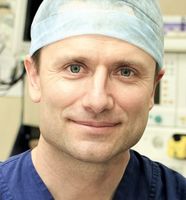
Mr Barnaby Smith
General, Bariatric and Endoscopic Surgeon
Ages
Adult / Pakeke, Child / Tamariki, Older adult / Kaumātua, Youth / Rangatahi
Fees and Charges Categorisation
Fees apply
Fees and Charges Description
Find payment information here
Languages Spoken
English
Services Provided
Colonoscopy is the examination of your colon (large bowel) using a colonoscope (long, flexible tube with a camera on the end). The colonoscope is passed into your rectum (bottom) and then moved slowly along the entire colon, while images from the camera are displayed on a television monitor. The procedure takes from 10 minutes to an hour. Sometimes a small tissue sample (biopsy) will need to be taken during the procedure for later examination at a laboratory. A colonoscopy may help diagnose conditions such as polyps (small growths of tissue projecting into the bowel), tumours, ulcerative colitis (inflammation of the colon) and diverticulitis (inflammation of sacs that form on the walls of the colon). Colonoscopy may also be used to remove polyps in the colon. Risks of a colonoscopy are rare but include: bleeding if a biopsy is performed; allergic reaction to the sedative; perforation (tearing) of the bowel wall. What to expect It is important that the bowel is completely empty before the procedure takes place. This means that you will only be able to have liquids on the day before, and will probably have to take some oral laxative medication (to make you go to the toilet more). When you are ready for the procedure, you will be given medication (a sedative) to make you go into a light sleep. This will be given by an injection into a vein in your arm or hand. The colonoscopy will usually take 15 – 30 minutes, but you will probably sleep for another 30 minutes. Because you have been sedated (given medication to make you sleep) it is important that you arrange for someone else to drive you home. Some patients may experience discomfort after the procedure, due to air remaining in the colon.
Colonoscopy is the examination of your colon (large bowel) using a colonoscope (long, flexible tube with a camera on the end). The colonoscope is passed into your rectum (bottom) and then moved slowly along the entire colon, while images from the camera are displayed on a television monitor. The procedure takes from 10 minutes to an hour. Sometimes a small tissue sample (biopsy) will need to be taken during the procedure for later examination at a laboratory. A colonoscopy may help diagnose conditions such as polyps (small growths of tissue projecting into the bowel), tumours, ulcerative colitis (inflammation of the colon) and diverticulitis (inflammation of sacs that form on the walls of the colon). Colonoscopy may also be used to remove polyps in the colon. Risks of a colonoscopy are rare but include: bleeding if a biopsy is performed; allergic reaction to the sedative; perforation (tearing) of the bowel wall. What to expect It is important that the bowel is completely empty before the procedure takes place. This means that you will only be able to have liquids on the day before, and will probably have to take some oral laxative medication (to make you go to the toilet more). When you are ready for the procedure, you will be given medication (a sedative) to make you go into a light sleep. This will be given by an injection into a vein in your arm or hand. The colonoscopy will usually take 15 – 30 minutes, but you will probably sleep for another 30 minutes. Because you have been sedated (given medication to make you sleep) it is important that you arrange for someone else to drive you home. Some patients may experience discomfort after the procedure, due to air remaining in the colon.
Colonoscopy is the examination of your colon (large bowel) using a colonoscope (long, flexible tube with a camera on the end). The colonoscope is passed into your rectum (bottom) and then moved slowly along the entire colon, while images from the camera are displayed on a television monitor.
The procedure takes from 10 minutes to an hour. Sometimes a small tissue sample (biopsy) will need to be taken during the procedure for later examination at a laboratory.
A colonoscopy may help diagnose conditions such as polyps (small growths of tissue projecting into the bowel), tumours, ulcerative colitis (inflammation of the colon) and diverticulitis (inflammation of sacs that form on the walls of the colon).
Colonoscopy may also be used to remove polyps in the colon.
Risks of a colonoscopy are rare but include: bleeding if a biopsy is performed; allergic reaction to the sedative; perforation (tearing) of the bowel wall.
What to expect
It is important that the bowel is completely empty before the procedure takes place. This means that you will only be able to have liquids on the day before, and will probably have to take some oral laxative medication (to make you go to the toilet more).
When you are ready for the procedure, you will be given medication (a sedative) to make you go into a light sleep. This will be given by an injection into a vein in your arm or hand.
The colonoscopy will usually take 15 – 30 minutes, but you will probably sleep for another 30 minutes. Because you have been sedated (given medication to make you sleep) it is important that you arrange for someone else to drive you home.
Some patients may experience discomfort after the procedure, due to air remaining in the colon.
Gastroscopy allows examination of the upper part of your digestive tract i.e. oesophagus (food pipe), stomach and duodenum (top section of the small intestine), by passing a gastroscope (long, flexible tube with a camera on the end) through your mouth and down your digestive tract. Images from the camera are displayed on a television monitor. Sometimes a small tissue sample (biopsy) will need to be taken during the procedure for later examination at a laboratory. Gastroscopy may be used to diagnose peptic ulcers, tumours, gastritis etc. Complications from this procedure are very rare but can occur. They include: bleeding if a biopsy is performed; allergic reaction to the sedative or throat spray; perforation (tearing) of the stomach with the instrument (this is a serious but extremely rare complication). What to expect All endoscopic procedures are viewed as a surgical procedure and generally the same preparation will apply. You will not be able to eat or drink anything for 6 hours before your gastroscopy. When you are ready for the procedure, the back of your throat will be sprayed with anaesthetic. You will also be offered medication (a sedative) to make you go into a light sleep. This will be given by an injection into a vein in your arm or hand. The gastroscopy will take approximately 15 minutes, but you will probably sleep for another 30 minutes. You will spend some time in a recovery unit (probably 1-2 hours) to sleep off the sedative and to allow staff to monitor you (take blood pressure readings etc). Because you have been sedated (given medication to make you sleep) it is important that you arrange for someone else to drive you home. If biopsies are taken for examination, your GP will be sent the results within 2-3 weeks.
Gastroscopy allows examination of the upper part of your digestive tract i.e. oesophagus (food pipe), stomach and duodenum (top section of the small intestine), by passing a gastroscope (long, flexible tube with a camera on the end) through your mouth and down your digestive tract. Images from the camera are displayed on a television monitor. Sometimes a small tissue sample (biopsy) will need to be taken during the procedure for later examination at a laboratory. Gastroscopy may be used to diagnose peptic ulcers, tumours, gastritis etc. Complications from this procedure are very rare but can occur. They include: bleeding if a biopsy is performed; allergic reaction to the sedative or throat spray; perforation (tearing) of the stomach with the instrument (this is a serious but extremely rare complication). What to expect All endoscopic procedures are viewed as a surgical procedure and generally the same preparation will apply. You will not be able to eat or drink anything for 6 hours before your gastroscopy. When you are ready for the procedure, the back of your throat will be sprayed with anaesthetic. You will also be offered medication (a sedative) to make you go into a light sleep. This will be given by an injection into a vein in your arm or hand. The gastroscopy will take approximately 15 minutes, but you will probably sleep for another 30 minutes. You will spend some time in a recovery unit (probably 1-2 hours) to sleep off the sedative and to allow staff to monitor you (take blood pressure readings etc). Because you have been sedated (given medication to make you sleep) it is important that you arrange for someone else to drive you home. If biopsies are taken for examination, your GP will be sent the results within 2-3 weeks.
Gastroscopy allows examination of the upper part of your digestive tract i.e. oesophagus (food pipe), stomach and duodenum (top section of the small intestine), by passing a gastroscope (long, flexible tube with a camera on the end) through your mouth and down your digestive tract. Images from the camera are displayed on a television monitor. Sometimes a small tissue sample (biopsy) will need to be taken during the procedure for later examination at a laboratory.
Gastroscopy may be used to diagnose peptic ulcers, tumours, gastritis etc.
Complications from this procedure are very rare but can occur. They include: bleeding if a biopsy is performed; allergic reaction to the sedative or throat spray; perforation (tearing) of the stomach with the instrument (this is a serious but extremely rare complication).
What to expect
All endoscopic procedures are viewed as a surgical procedure and generally the same preparation will apply. You will not be able to eat or drink anything for 6 hours before your gastroscopy. When you are ready for the procedure, the back of your throat will be sprayed with anaesthetic. You will also be offered medication (a sedative) to make you go into a light sleep. This will be given by an injection into a vein in your arm or hand.
The gastroscopy will take approximately 15 minutes, but you will probably sleep for another 30 minutes. You will spend some time in a recovery unit (probably 1-2 hours) to sleep off the sedative and to allow staff to monitor you (take blood pressure readings etc). Because you have been sedated (given medication to make you sleep) it is important that you arrange for someone else to drive you home.
If biopsies are taken for examination, your GP will be sent the results within 2-3 weeks.
A long, narrow tube with a tiny camera attached (sigmoidoscope) is inserted into your anus and moved through your lower large intestine (bowel). This allows the surgeon a view of the lining of the lower large intestine (sigmoid colon). If necessary, a biopsy (small piece of tissue) may be taken for examination in the laboratory.
A long, narrow tube with a tiny camera attached (sigmoidoscope) is inserted into your anus and moved through your lower large intestine (bowel). This allows the surgeon a view of the lining of the lower large intestine (sigmoid colon). If necessary, a biopsy (small piece of tissue) may be taken for examination in the laboratory.
A long, narrow tube with a tiny camera attached (sigmoidoscope) is inserted into your anus and moved through your lower large intestine (bowel). This allows the surgeon a view of the lining of the lower large intestine (sigmoid colon). If necessary, a biopsy (small piece of tissue) may be taken for examination in the laboratory.
A flexible tube with a tiny video camera attached (endoscope) is inserted through the mouth into the stomach and small intestine while you are under sedation (you have been given medication to make you drowsy). A smaller tube is then moved through the first tube into the bile duct (the tube that connects your gallbladder and liver to your intestines) through which dye is injected and an x-ray is taken to visualise the ducts. Problems in the bile and pancreatic ducts can be found and treated with this procedure.
A flexible tube with a tiny video camera attached (endoscope) is inserted through the mouth into the stomach and small intestine while you are under sedation (you have been given medication to make you drowsy). A smaller tube is then moved through the first tube into the bile duct (the tube that connects your gallbladder and liver to your intestines) through which dye is injected and an x-ray is taken to visualise the ducts. Problems in the bile and pancreatic ducts can be found and treated with this procedure.
A flexible tube with a tiny video camera attached (endoscope) is inserted through the mouth into the stomach and small intestine while you are under sedation (you have been given medication to make you drowsy). A smaller tube is then moved through the first tube into the bile duct (the tube that connects your gallbladder and liver to your intestines) through which dye is injected and an x-ray is taken to visualise the ducts. Problems in the bile and pancreatic ducts can be found and treated with this procedure.
Visiting Hours
Visiting hours are between 9:00am and 8:30pm daily.
Patient meal times are: breakfast 7.30am, lunch 12.00 noon and dinner 6.00pm.
Refreshments
Complimentary tea, instant coffee and chilled drinking water in the patient lounge.
The Coffee Clinic cafeteria in the main foyer on the ground floor is open 7:30am to 3:30pm Monday to Friday. Outside these times drinks and snacks are available from the food carousel in the main foyer.
Meals may be purchased at the hospital while visiting - speak to a nurse or receptionist for assistance.
Parking
There is plenty of free car parking in the campus grounds.
Accommodation
There is a variety of accommodation options within a reasonable distance of the hospital campus.
Pharmacy
Find your nearest pharmacy here
Other
Grace is a non-smoking campus so please refrain from smoking in the hospital or on the grounds.
Website

Contact Details
Grace Hospital, Tauranga
Bay of Plenty
-
Phone
(07) 577 5270
Website
Due to ongoing construction projects, please use our main entrance (Gate 1).
281 Cheyne Road
Oropi
Tauranga
Bay of Plenty 3112
Street Address
281 Cheyne Road
Oropi
Tauranga
Bay of Plenty 3112
Postal Address
PO Box 2320
Tauranga 3144
Was this page helpful?
This page was last updated at 10:43AM on December 19, 2025. This information is reviewed and edited by Grace Hospital - Endoscopy.