
Central Auckland, East Auckland, South Auckland, West Auckland, North Auckland > Private Hospitals & Specialists > Allevia Health >
Allevia Hospitals | Otolaryngology, Head & Neck Surgery
Private Surgical Service, ENT/ Head & Neck Surgery
Consultants
Note: Please note below that some people are not available at all locations.
-

Dr Muammar Abu-Serriah
Oral & Maxillofacial, Head & Neck Surgeon
Available at all locations.
-

Dr Jacqui Allen
Otolaryngologist, Head & Neck Surgeon
Available at Allevia Hospital Ascot, 90 Green Lane East, Remuera, Auckland
-

Dr Ben Chan
Otolaryngologist, Head & Neck Surgeon
Available at Allevia Hospital Ascot, 90 Green Lane East, Remuera, Auckland
-

Mr Julian Holland
Otolaryngologist
Available at Allevia Hospital Ascot, 90 Green Lane East, Remuera, Auckland
-

Mr Rajan Patel
Otolaryngologist, Head & Neck Surgeon
Available at Allevia Hospital Ascot, 90 Green Lane East, Remuera, Auckland
-

Mr Angus Shao
Otolaryngologist, Head & Neck Surgeon
Available at Allevia Hospital Ascot, 90 Green Lane East, Remuera, Auckland
-

Mr Kevin Smith
Otolaryngologist
Available at all locations.
-

Dr Michelle Wong
Otolaryngologist
Available at Allevia Hospital Ascot, 90 Green Lane East, Remuera, Auckland
-

Mr Justin Wong
Otolaryngologist
Available at Allevia Hospital Ascot, 90 Green Lane East, Remuera, Auckland
Dental Team
Note: Please note below that some people are not available at all locations.
-
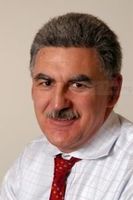
Dr Lance West
Oral & Maxillofacial Surgeon
Available at Allevia Hospital Epsom, 98 Mountain Road, Epsom, Auckland
Procedures / Treatments
Your adenoids may be removed as part of a tonsillectomy. This operation is also performed through your mouth.
Your adenoids may be removed as part of a tonsillectomy. This operation is also performed through your mouth.
Your adenoids may be removed as part of a tonsillectomy. This operation is also performed through your mouth.
A tiny camera attached to a long tube is inserted through your nose or mouth and passed down through the airways into your lungs. This allows the surgeon to make a diagnosis either by seeing directly what is causing the problem or by taking a small tissue (biopsy) or lung secretion sample.
A tiny camera attached to a long tube is inserted through your nose or mouth and passed down through the airways into your lungs. This allows the surgeon to make a diagnosis either by seeing directly what is causing the problem or by taking a small tissue (biopsy) or lung secretion sample.
A tiny camera attached to a long tube is inserted through your nose or mouth and passed down through the airways into your lungs. This allows the surgeon to make a diagnosis either by seeing directly what is causing the problem or by taking a small tissue (biopsy) or lung secretion sample.
Small cuts (incisions) are made either on the inside or outside (in the creases) of the nose. Excess bone and/or cartilage are removed and the nose reshaped.
Small cuts (incisions) are made either on the inside or outside (in the creases) of the nose. Excess bone and/or cartilage are removed and the nose reshaped.
Small cuts (incisions) are made either on the inside or outside (in the creases) of the nose. Excess bone and/or cartilage are removed and the nose reshaped.
A tiny camera attached to a tube (endoscope) is inserted into your nose. Very small instruments can be passed through the endoscope and used to remove small pieces of bone and soft tissue. This opens up the ventilation and drainage pathways in the outer wall of your nose.
A tiny camera attached to a tube (endoscope) is inserted into your nose. Very small instruments can be passed through the endoscope and used to remove small pieces of bone and soft tissue. This opens up the ventilation and drainage pathways in the outer wall of your nose.
A tiny camera attached to a tube (endoscope) is inserted into your nose. Very small instruments can be passed through the endoscope and used to remove small pieces of bone and soft tissue. This opens up the ventilation and drainage pathways in the outer wall of your nose.
Growths, lumps, tumours or masses on the head and neck can be benign (non-cancerous) or cancerous and can form in the larynx, pharynx, thyroid gland, salivary gland, mouth, neck, face or skull. Tests to diagnose a mass may include: Neurological examination – assesses eye movements, balance, hearing, sensation, coordination etc MRI – magnetic resonance imaging uses magnetic fields and radio waves to give images of internal organs and body structures CT Scan – computer tomography combines x-rays with computer technology to give cross-sectional images of the body Biopsy – a sample of tissue is taken for examination under a microscope. Enlarged Lymph Nodes Lymph nodes in the neck often become swollen when the body is fighting an infection. Benign Lesions Non-cancerous masses such as cysts are often removed surgically to prevent them from pressing on nerves and other structures in the head and neck. Cancer Cancerous masses spread to surrounding tissues and may be: Primary – they arise in the head or neck. Mostly caused by tobacco or alcohol use Secondary – they have spread from a primary tumour in another part of the body. Cancers may be treated by a combination of radiotherapy, chemotherapy and surgery.
Growths, lumps, tumours or masses on the head and neck can be benign (non-cancerous) or cancerous and can form in the larynx, pharynx, thyroid gland, salivary gland, mouth, neck, face or skull. Tests to diagnose a mass may include: Neurological examination – assesses eye movements, balance, hearing, sensation, coordination etc MRI – magnetic resonance imaging uses magnetic fields and radio waves to give images of internal organs and body structures CT Scan – computer tomography combines x-rays with computer technology to give cross-sectional images of the body Biopsy – a sample of tissue is taken for examination under a microscope. Enlarged Lymph Nodes Lymph nodes in the neck often become swollen when the body is fighting an infection. Benign Lesions Non-cancerous masses such as cysts are often removed surgically to prevent them from pressing on nerves and other structures in the head and neck. Cancer Cancerous masses spread to surrounding tissues and may be: Primary – they arise in the head or neck. Mostly caused by tobacco or alcohol use Secondary – they have spread from a primary tumour in another part of the body. Cancers may be treated by a combination of radiotherapy, chemotherapy and surgery.
Growths, lumps, tumours or masses on the head and neck can be benign (non-cancerous) or cancerous and can form in the larynx, pharynx, thyroid gland, salivary gland, mouth, neck, face or skull.
Tests to diagnose a mass may include:
- Neurological examination – assesses eye movements, balance, hearing, sensation, coordination etc
- MRI – magnetic resonance imaging uses magnetic fields and radio waves to give images of internal organs and body structures
- CT Scan – computer tomography combines x-rays with computer technology to give cross-sectional images of the body
- Biopsy – a sample of tissue is taken for examination under a microscope.
Enlarged Lymph Nodes
Lymph nodes in the neck often become swollen when the body is fighting an infection.
Benign Lesions
Non-cancerous masses such as cysts are often removed surgically to prevent them from pressing on nerves and other structures in the head and neck.
Cancer
Cancerous masses spread to surrounding tissues and may be:
- Primary – they arise in the head or neck. Mostly caused by tobacco or alcohol use
- Secondary – they have spread from a primary tumour in another part of the body.
Cancers may be treated by a combination of radiotherapy, chemotherapy and surgery.
Masses on the head and neck can be benign (noncancerous) or cancerous and can form in the larynx, pharynx, thyroid gland, salivary gland, mouth, neck, face, skull or any other structure in the head and neck region. Noncancerous masses such as cysts are often removed surgically to prevent them from pressing on nerves and other structures in the head and neck. Cancerous masses may be primary (arise in the head or neck) or secondary (they have spread from a primary tumour in another part of the body) and may be treated by a combination of radiotherapy, chemotherapy and surgery. Surgery can be quite extensive, including removal of lymph nodes in the neck, and require major reconstruction.
Masses on the head and neck can be benign (noncancerous) or cancerous and can form in the larynx, pharynx, thyroid gland, salivary gland, mouth, neck, face, skull or any other structure in the head and neck region. Noncancerous masses such as cysts are often removed surgically to prevent them from pressing on nerves and other structures in the head and neck. Cancerous masses may be primary (arise in the head or neck) or secondary (they have spread from a primary tumour in another part of the body) and may be treated by a combination of radiotherapy, chemotherapy and surgery. Surgery can be quite extensive, including removal of lymph nodes in the neck, and require major reconstruction.
Masses on the head and neck can be benign (noncancerous) or cancerous and can form in the larynx, pharynx, thyroid gland, salivary gland, mouth, neck, face, skull or any other structure in the head and neck region.
Noncancerous masses such as cysts are often removed surgically to prevent them from pressing on nerves and other structures in the head and neck.
Cancerous masses may be primary (arise in the head or neck) or secondary (they have spread from a primary tumour in another part of the body) and may be treated by a combination of radiotherapy, chemotherapy and surgery.
Surgery can be quite extensive, including removal of lymph nodes in the neck, and require major reconstruction.
This operation is performed through the ear canal. A hole is made in the eardrum and the middle ear drained. A small hollow tube (grommet) is placed in the eardrum hole which allows air into the middle ear.
This operation is performed through the ear canal. A hole is made in the eardrum and the middle ear drained. A small hollow tube (grommet) is placed in the eardrum hole which allows air into the middle ear.
This operation is performed through the ear canal. A hole is made in the eardrum and the middle ear drained. A small hollow tube (grommet) is placed in the eardrum hole which allows air into the middle ear.
A surgical procedure involving the removal of lymph nodes (bean-shaped glands that filter harmful agents picked up by the lymphatic system) from the neck to control the spread of cancer. It is most commonly done to treat head and neck cancers that have spread, or have the potential to spread, to the lymph nodes. There are different types of neck dissection, depending on how much tissue is removed – ranging from selective (only certain lymph nodes) to more extensive procedures.
A surgical procedure involving the removal of lymph nodes (bean-shaped glands that filter harmful agents picked up by the lymphatic system) from the neck to control the spread of cancer. It is most commonly done to treat head and neck cancers that have spread, or have the potential to spread, to the lymph nodes. There are different types of neck dissection, depending on how much tissue is removed – ranging from selective (only certain lymph nodes) to more extensive procedures.
A surgical procedure involving the removal of lymph nodes (bean-shaped glands that filter harmful agents picked up by the lymphatic system) from the neck to control the spread of cancer. It is most commonly done to treat head and neck cancers that have spread, or have the potential to spread, to the lymph nodes.
There are different types of neck dissection, depending on how much tissue is removed – ranging from selective (only certain lymph nodes) to more extensive procedures.
Nose surgery includes a range of procedures to change the shape, improve the function, or treat medical conditions of the nose. Common types include: Rhinoplasty – reshapes the nose for cosmetic or functional reasons. Septoplasty – straightens a deviated nasal septum (the thin wall between the nostrils) to improve breathing. Turbinoplasty – reduces swollen nasal tissues to ease airflow. Sinus surgery – treats chronic sinus infections or blockages.
Nose surgery includes a range of procedures to change the shape, improve the function, or treat medical conditions of the nose. Common types include: Rhinoplasty – reshapes the nose for cosmetic or functional reasons. Septoplasty – straightens a deviated nasal septum (the thin wall between the nostrils) to improve breathing. Turbinoplasty – reduces swollen nasal tissues to ease airflow. Sinus surgery – treats chronic sinus infections or blockages.
Nose surgery includes a range of procedures to change the shape, improve the function, or treat medical conditions of the nose. Common types include:
- Rhinoplasty – reshapes the nose for cosmetic or functional reasons.
- Septoplasty – straightens a deviated nasal septum (the thin wall between the nostrils) to improve breathing.
- Turbinoplasty – reduces swollen nasal tissues to ease airflow.
- Sinus surgery – treats chronic sinus infections or blockages.
A tiny camera attached to a long tube is inserted into your mouth and passed down through your pharynx into your oesophagus. This allows the surgeon to make a diagnosis either by seeing directly what is causing the problem or by taking a small tissue sample (biopsy).
A tiny camera attached to a long tube is inserted into your mouth and passed down through your pharynx into your oesophagus. This allows the surgeon to make a diagnosis either by seeing directly what is causing the problem or by taking a small tissue sample (biopsy).
A tiny camera attached to a long tube is inserted into your mouth and passed down through your pharynx into your oesophagus. This allows the surgeon to make a diagnosis either by seeing directly what is causing the problem or by taking a small tissue sample (biopsy).
The parathyroid glands are four small glands located in the neck which produce parathyroid hormone, a hormone involved in the regulation of calcium and phosphate levels. Overactivity of one or more of the glands (hyperparathyroidism) results in excessive parathyroid hormone production. Parathyroidectomy is a surgical procedure to remove one or more of the parathyroid glands through an incision (cut) in the front of and at the base of the neck.
The parathyroid glands are four small glands located in the neck which produce parathyroid hormone, a hormone involved in the regulation of calcium and phosphate levels. Overactivity of one or more of the glands (hyperparathyroidism) results in excessive parathyroid hormone production. Parathyroidectomy is a surgical procedure to remove one or more of the parathyroid glands through an incision (cut) in the front of and at the base of the neck.
The parathyroid glands are four small glands located in the neck which produce parathyroid hormone, a hormone involved in the regulation of calcium and phosphate levels. Overactivity of one or more of the glands (hyperparathyroidism) results in excessive parathyroid hormone production.
Parathyroidectomy is a surgical procedure to remove one or more of the parathyroid glands through an incision (cut) in the front of and at the base of the neck.
This is a surgical procedure to remove part or all of the parotid gland, which is the largest of the salivary glands and is located in front of and just below the ear. This surgery is most commonly done to remove tumours, which can be benign (non-cancerous) or malignant (cancerous). It may also be performed for chronic infections or other gland problems. Special care is taken during the surgery to protect the facial nerve, which runs through the parotid gland and controls movement of the face.
This is a surgical procedure to remove part or all of the parotid gland, which is the largest of the salivary glands and is located in front of and just below the ear. This surgery is most commonly done to remove tumours, which can be benign (non-cancerous) or malignant (cancerous). It may also be performed for chronic infections or other gland problems. Special care is taken during the surgery to protect the facial nerve, which runs through the parotid gland and controls movement of the face.
This is a surgical procedure to remove part or all of the parotid gland, which is the largest of the salivary glands and is located in front of and just below the ear.
This surgery is most commonly done to remove tumours, which can be benign (non-cancerous) or malignant (cancerous). It may also be performed for chronic infections or other gland problems.
Special care is taken during the surgery to protect the facial nerve, which runs through the parotid gland and controls movement of the face.
Nasal polyps are removed by inserting small instruments through your nostrils which can grasp and cut out the polyps.
Nasal polyps are removed by inserting small instruments through your nostrils which can grasp and cut out the polyps.
Nasal polyps are removed by inserting small instruments through your nostrils which can grasp and cut out the polyps.
There are three large pairs of glands (parotid, sublingual and submandibular) in your mouth that produce saliva which helps break down food as part of the digestion process. Salivary gland surgery involves the removal of one or more of the salivary glands for reasons including: tumours (benign or cancerous), chronic infections or blockages, salivary stones or injuries or cysts. Care is taken to avoid damaging nearby nerves, especially those that control facial movement.
There are three large pairs of glands (parotid, sublingual and submandibular) in your mouth that produce saliva which helps break down food as part of the digestion process. Salivary gland surgery involves the removal of one or more of the salivary glands for reasons including: tumours (benign or cancerous), chronic infections or blockages, salivary stones or injuries or cysts. Care is taken to avoid damaging nearby nerves, especially those that control facial movement.
There are three large pairs of glands (parotid, sublingual and submandibular) in your mouth that produce saliva which helps break down food as part of the digestion process.
Salivary gland surgery involves the removal of one or more of the salivary glands for reasons including: tumours (benign or cancerous), chronic infections or blockages, salivary stones or injuries or cysts.
Care is taken to avoid damaging nearby nerves, especially those that control facial movement.
This operation repositions the nasal septum and is performed entirely within your nose so that there are no external cuts made on your face.
This operation repositions the nasal septum and is performed entirely within your nose so that there are no external cuts made on your face.
This operation repositions the nasal septum and is performed entirely within your nose so that there are no external cuts made on your face.
Skin cancer of the face, ears, scalp and neck is very common in New Zealand. The most common types are basal cell carcinoma, squamous cell carcinoma, and melanoma. Basal cell and squamous cell carcinomas are generally slow growing and unlikely to spread to other parts of the body while melanoma can spread to other parts of the body and urgent removal is usually recommended. Treatment of skin cancer usually involves surgery to remove the cancer. Most skin cancers can be treated successfully if found early.
Skin cancer of the face, ears, scalp and neck is very common in New Zealand. The most common types are basal cell carcinoma, squamous cell carcinoma, and melanoma. Basal cell and squamous cell carcinomas are generally slow growing and unlikely to spread to other parts of the body while melanoma can spread to other parts of the body and urgent removal is usually recommended. Treatment of skin cancer usually involves surgery to remove the cancer. Most skin cancers can be treated successfully if found early.
Skin cancer of the face, ears, scalp and neck is very common in New Zealand. The most common types are basal cell carcinoma, squamous cell carcinoma, and melanoma. Basal cell and squamous cell carcinomas are generally slow growing and unlikely to spread to other parts of the body while melanoma can spread to other parts of the body and urgent removal is usually recommended.
Treatment of skin cancer usually involves surgery to remove the cancer. Most skin cancers can be treated successfully if found early.
Tonsils are removed in an operation performed through your mouth. The tissue between your tonsils and throat is cut and your tonsils removed.
Tonsils are removed in an operation performed through your mouth. The tissue between your tonsils and throat is cut and your tonsils removed.
Tonsils are removed in an operation performed through your mouth. The tissue between your tonsils and throat is cut and your tonsils removed.
The thyroid is a gland that sits in the front, and towards the bottom of, your neck. It is responsible for producing a hormone called thyroxin that affects many organs including the heart, muscles and bones. Thyroidectomy is a surgical procedure to remove all or part of the thyroid gland for reasons such as thyroid cancer, goitre (enlarged thyroid), thyroid nodules or overactive thyroid (hyperthyroidism) that doesn't respond to other treatments. A thyroidectomy may be total (removal of the entire thyroid gland) or partial or lobectomy (removal of part of the gland).
The thyroid is a gland that sits in the front, and towards the bottom of, your neck. It is responsible for producing a hormone called thyroxin that affects many organs including the heart, muscles and bones. Thyroidectomy is a surgical procedure to remove all or part of the thyroid gland for reasons such as thyroid cancer, goitre (enlarged thyroid), thyroid nodules or overactive thyroid (hyperthyroidism) that doesn't respond to other treatments. A thyroidectomy may be total (removal of the entire thyroid gland) or partial or lobectomy (removal of part of the gland).
The thyroid is a gland that sits in the front, and towards the bottom of, your neck. It is responsible for producing a hormone called thyroxin that affects many organs including the heart, muscles and bones.
Thyroidectomy is a surgical procedure to remove all or part of the thyroid gland for reasons such as thyroid cancer, goitre (enlarged thyroid), thyroid nodules or overactive thyroid (hyperthyroidism) that doesn't respond to other treatments.
A thyroidectomy may be total (removal of the entire thyroid gland) or partial or lobectomy (removal of part of the gland).
Disability Assistance
Wheelchair access, Mobility parking space
Parking
Mobility parking and wheelchair access are available.
Website

Contact Details
Allevia Hospital Ascot, 90 Green Lane East, Remuera, Auckland
Central Auckland
-
Phone
(09) 520 9500
-
Fax
(09) 520 9501
Website
90 Green Lane East
Remuera
Auckland
Street Address
90 Green Lane East
Remuera
Auckland
Was this page helpful?
This page was last updated at 3:15PM on March 3, 2026. This information is reviewed and edited by Allevia Hospitals | Otolaryngology, Head & Neck Surgery.