
Bay of Plenty > Private Hospitals & Specialists >
Grace Hospital - General Surgery
Private Surgical Service, General Surgery
Description
Grace Hospital is a private surgical hospital in Tauranga committed to surgical excellence and achieving the best outcomes for our patients. Our surgeons are of the highest calibre, supported by highly trained and experienced nursing staff.
Our inpatient ward comprises 48 single rooms, each with a private en-suite bathroom and balcony. We have nine operating theatres and a three-bed High Dependency room where patients requiring dedicated nursing are cared for after surgery.
Our general surgical consultants offer a wide range of procedures including gastric surgery, colorectal surgery, hernia repair, breast surgery and vascular surgery. We offer the latest technology to support you including laparoscopy and endoscopy.
Consultants
-
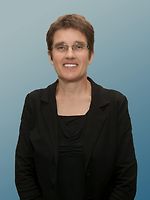
Dr Janet Ansell
Colorectal and General Surgeon
-

Mr Peter Chin
Oncoplastic Breast, Endocrine and General Surgeon
-
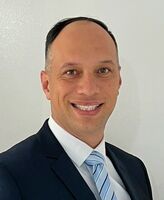
Dr Benjamin Cribb
General and Colorectal Surgeon
-

Dr Nicola Davis
Oncologic Breast and General Surgeon
-

Mr Avi Kumar
General and Laparo-Endoscopic Surgeon
-
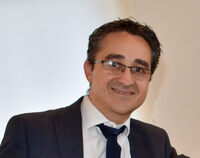
Mr Daniel Mafi
Upper GI, Bariatric and General Surgeon
-
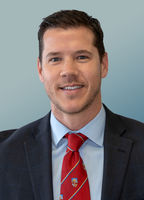
Mr Jacques Marnewick
General, Laparoscopic and Thyroid Surgeon
-

Mr Mark Omundsen
General Colorectal Surgeon
-
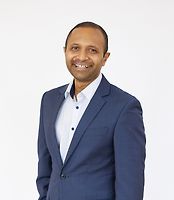
Dr Ritesh Patel
General Surgeon specialising in Upper GI, Pancreas, Bariatrics
-
Dr Jeremy Rossaak
General and Endoscopic Surgeon
-
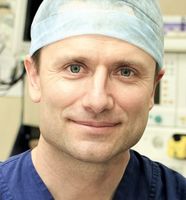
Mr Barnaby Smith
General, Bariatric and Endoscopic Surgeon
-

Dr Phillip Thwaite
General and Vascular Surgeon
Ages
Adult / Pakeke, Older adult / Kaumātua
Fees and Charges Categorisation
Fees apply
Fees and Charges Description
Find payment information here
Languages Spoken
English
Services Provided
Laparoscopic: several small incisions (cuts) are made in the lower right abdomen (stomach) and a narrow tube with a tiny camera attached (laparoscope) in inserted. This allows the surgeon a view of the appendix and, by inserting small surgical instruments through the other cuts, the appendix can be removed. Open: an incision is made in the lower right abdomen and the appendix removed.
Laparoscopic: several small incisions (cuts) are made in the lower right abdomen (stomach) and a narrow tube with a tiny camera attached (laparoscope) in inserted. This allows the surgeon a view of the appendix and, by inserting small surgical instruments through the other cuts, the appendix can be removed. Open: an incision is made in the lower right abdomen and the appendix removed.
Laparoscopic: several small incisions (cuts) are made in the lower right abdomen (stomach) and a narrow tube with a tiny camera attached (laparoscope) in inserted. This allows the surgeon a view of the appendix and, by inserting small surgical instruments through the other cuts, the appendix can be removed.
Open: an incision is made in the lower right abdomen and the appendix removed.
A small sample of breast tissue is removed and examined under a microscope to see if cancer is present.
A small sample of breast tissue is removed and examined under a microscope to see if cancer is present.
A small sample of breast tissue is removed and examined under a microscope to see if cancer is present.
Simple or Total: all breast tissue, skin and the nipple are surgically removed but the muscles lying under the breast and the lymph nodes are left in place. Modified Radical: all breast tissue, skin and the nipple as well as some lymph tissue are surgically removed. Partial: the breast lump and a portion of other breast tissue (up to one quarter of the breast) as well as lymph tissue are surgically removed. Lumpectomy: the breast lump and surrounding tissue, as well as some lymph tissue, are surgically removed. When combined with radiation treatment, this is known as breast-conserving surgery.
Simple or Total: all breast tissue, skin and the nipple are surgically removed but the muscles lying under the breast and the lymph nodes are left in place. Modified Radical: all breast tissue, skin and the nipple as well as some lymph tissue are surgically removed. Partial: the breast lump and a portion of other breast tissue (up to one quarter of the breast) as well as lymph tissue are surgically removed. Lumpectomy: the breast lump and surrounding tissue, as well as some lymph tissue, are surgically removed. When combined with radiation treatment, this is known as breast-conserving surgery.
Simple or Total: all breast tissue, skin and the nipple are surgically removed but the muscles lying under the breast and the lymph nodes are left in place.
Modified Radical: all breast tissue, skin and the nipple as well as some lymph tissue are surgically removed.
Partial: the breast lump and a portion of other breast tissue (up to one quarter of the breast) as well as lymph tissue are surgically removed.
Lumpectomy: the breast lump and surrounding tissue, as well as some lymph tissue, are surgically removed. When combined with radiation treatment, this is known as breast-conserving surgery.
When a breast has been removed (mastectomy) because of cancer or other disease, it is possible in most cases to reconstruct a breast similar to a natural breast. A breast reconstruction can be performed as part of the breast removal operation or can be performed months or years later. There are two methods of breast reconstruction: one involves using an implant; the other uses tissue taken from another part of your body. There may be medical reasons why one of these methods is more suitable for you or, in other cases, you may be given a choice. Implants A silicone sack filled with either silicone gel or saline (salt water) is inserted underneath the chest muscle and skin. Before being inserted, the skin will sometimes need to be stretched to the required breast size. This is done by placing an empty bag where the implant will finally go, and gradually filling it with saline over weeks or months. The bag is then replaced by the implant in an operation that will probably take 2-3 hours under general anaesthesia (you will sleep through it). You will probably stay in hospital for 2-5 days. Flap reconstruction A flap taken from another part of the body such as your back, stomach or buttocks, is used to reconstruct the breast. This is a more complicated operation than having an implant and may last up to 6 hours and require a 5- to 7-day stay in hospital.
When a breast has been removed (mastectomy) because of cancer or other disease, it is possible in most cases to reconstruct a breast similar to a natural breast. A breast reconstruction can be performed as part of the breast removal operation or can be performed months or years later. There are two methods of breast reconstruction: one involves using an implant; the other uses tissue taken from another part of your body. There may be medical reasons why one of these methods is more suitable for you or, in other cases, you may be given a choice. Implants A silicone sack filled with either silicone gel or saline (salt water) is inserted underneath the chest muscle and skin. Before being inserted, the skin will sometimes need to be stretched to the required breast size. This is done by placing an empty bag where the implant will finally go, and gradually filling it with saline over weeks or months. The bag is then replaced by the implant in an operation that will probably take 2-3 hours under general anaesthesia (you will sleep through it). You will probably stay in hospital for 2-5 days. Flap reconstruction A flap taken from another part of the body such as your back, stomach or buttocks, is used to reconstruct the breast. This is a more complicated operation than having an implant and may last up to 6 hours and require a 5- to 7-day stay in hospital.
When a breast has been removed (mastectomy) because of cancer or other disease, it is possible in most cases to reconstruct a breast similar to a natural breast. A breast reconstruction can be performed as part of the breast removal operation or can be performed months or years later.
There are two methods of breast reconstruction: one involves using an implant; the other uses tissue taken from another part of your body. There may be medical reasons why one of these methods is more suitable for you or, in other cases, you may be given a choice.
Implants
A silicone sack filled with either silicone gel or saline (salt water) is inserted underneath the chest muscle and skin. Before being inserted, the skin will sometimes need to be stretched to the required breast size. This is done by placing an empty bag where the implant will finally go, and gradually filling it with saline over weeks or months. The bag is then replaced by the implant in an operation that will probably take 2-3 hours under general anaesthesia (you will sleep through it). You will probably stay in hospital for 2-5 days.
Flap reconstruction
A flap taken from another part of the body such as your back, stomach or buttocks, is used to reconstruct the breast. This is a more complicated operation than having an implant and may last up to 6 hours and require a 5- to 7-day stay in hospital.
Laparoscopic: several small incisions (cuts) are made in the abdomen and a narrow tube with a tiny camera attached (laparoscope) is inserted. This allows the surgeon a view of the colon and, by inserting small surgical instruments through the other cuts, part or all of the colon can be removed. Open: an abdominal incision is made and part or all of the colon is removed.
Laparoscopic: several small incisions (cuts) are made in the abdomen and a narrow tube with a tiny camera attached (laparoscope) is inserted. This allows the surgeon a view of the colon and, by inserting small surgical instruments through the other cuts, part or all of the colon can be removed. Open: an abdominal incision is made and part or all of the colon is removed.
Laparoscopic: several small incisions (cuts) are made in the abdomen and a narrow tube with a tiny camera attached (laparoscope) is inserted. This allows the surgeon a view of the colon and, by inserting small surgical instruments through the other cuts, part or all of the colon can be removed.
Open: an abdominal incision is made and part or all of the colon is removed.
Colonoscopy is the examination of your colon (large bowel) using a colonoscope (long, flexible tube with a camera on the end). The colonoscope is passed into your rectum (bottom) and then moved slowly along the entire colon, while images from the camera are displayed on a television monitor. The procedure takes from 10 minutes to an hour. Sometimes a small tissue sample (biopsy) will need to be taken during the procedure for later examination at a laboratory. A colonoscopy may help diagnose conditions such as polyps (small growths of tissue projecting into the bowel), tumours, ulcerative colitis (inflammation of the colon) and diverticulitis (inflammation of sacs that form on the walls of the colon). Colonoscopy may also be used to remove polyps in the colon. Risks of a colonoscopy are rare but include: bleeding if a biopsy is performed; allergic reaction to the sedative; perforation (tearing) of the bowel wall. What to expect It is important that the bowel is completely empty before the procedure takes place. This means that you will only be able to have liquids on the day before, and will probably have to take some oral laxative medication (to make you go to the toilet more). When you are ready for the procedure, you will be given medication (a sedative) to make you go into a light sleep. This will be given by an injection into a vein in your arm or hand. The colonoscopy will usually take 15 – 30 minutes, but you will probably sleep for another 30 minutes. Because you have been sedated (given medication to make you sleep) it is important that you arrange for someone else to drive you home. Some patients may experience discomfort after the procedure, due to air remaining in the colon.
Colonoscopy is the examination of your colon (large bowel) using a colonoscope (long, flexible tube with a camera on the end). The colonoscope is passed into your rectum (bottom) and then moved slowly along the entire colon, while images from the camera are displayed on a television monitor. The procedure takes from 10 minutes to an hour. Sometimes a small tissue sample (biopsy) will need to be taken during the procedure for later examination at a laboratory. A colonoscopy may help diagnose conditions such as polyps (small growths of tissue projecting into the bowel), tumours, ulcerative colitis (inflammation of the colon) and diverticulitis (inflammation of sacs that form on the walls of the colon). Colonoscopy may also be used to remove polyps in the colon. Risks of a colonoscopy are rare but include: bleeding if a biopsy is performed; allergic reaction to the sedative; perforation (tearing) of the bowel wall. What to expect It is important that the bowel is completely empty before the procedure takes place. This means that you will only be able to have liquids on the day before, and will probably have to take some oral laxative medication (to make you go to the toilet more). When you are ready for the procedure, you will be given medication (a sedative) to make you go into a light sleep. This will be given by an injection into a vein in your arm or hand. The colonoscopy will usually take 15 – 30 minutes, but you will probably sleep for another 30 minutes. Because you have been sedated (given medication to make you sleep) it is important that you arrange for someone else to drive you home. Some patients may experience discomfort after the procedure, due to air remaining in the colon.
Colonoscopy is the examination of your colon (large bowel) using a colonoscope (long, flexible tube with a camera on the end). The colonoscope is passed into your rectum (bottom) and then moved slowly along the entire colon, while images from the camera are displayed on a television monitor.
The procedure takes from 10 minutes to an hour. Sometimes a small tissue sample (biopsy) will need to be taken during the procedure for later examination at a laboratory.
A colonoscopy may help diagnose conditions such as polyps (small growths of tissue projecting into the bowel), tumours, ulcerative colitis (inflammation of the colon) and diverticulitis (inflammation of sacs that form on the walls of the colon).
Colonoscopy may also be used to remove polyps in the colon.
Risks of a colonoscopy are rare but include: bleeding if a biopsy is performed; allergic reaction to the sedative; perforation (tearing) of the bowel wall.
What to expect
It is important that the bowel is completely empty before the procedure takes place. This means that you will only be able to have liquids on the day before, and will probably have to take some oral laxative medication (to make you go to the toilet more).
When you are ready for the procedure, you will be given medication (a sedative) to make you go into a light sleep. This will be given by an injection into a vein in your arm or hand.
The colonoscopy will usually take 15 – 30 minutes, but you will probably sleep for another 30 minutes. Because you have been sedated (given medication to make you sleep) it is important that you arrange for someone else to drive you home.
Some patients may experience discomfort after the procedure, due to air remaining in the colon.
An opening is made in the skin of the abdomen (stomach) to allow drainage of stools (faeces) from the colon into a collection bag on the outside. This may be temporary to allow time for healing of the colon or, if the entire colon has been removed, it may be permanent.
An opening is made in the skin of the abdomen (stomach) to allow drainage of stools (faeces) from the colon into a collection bag on the outside. This may be temporary to allow time for healing of the colon or, if the entire colon has been removed, it may be permanent.
An opening is made in the skin of the abdomen (stomach) to allow drainage of stools (faeces) from the colon into a collection bag on the outside. This may be temporary to allow time for healing of the colon or, if the entire colon has been removed, it may be permanent.
Gallstones are formed if the gallbladder is not working properly, and the standard treatment is to remove the gallbladder (cholecystectomy). This procedure is usually performed using a laparoscopic (keyhole) approach. Laparoscopic: several small incisions (cuts) are made in the abdomen (stomach) and a narrow tube with a tiny camera attached (laparoscope) is inserted. This allows the surgeon a view of the gallbladder and, by inserting small surgical instruments through the other cuts, the gallbladder can be removed. Open: an abdominal incision is made and the gallbladder removed.
Gallstones are formed if the gallbladder is not working properly, and the standard treatment is to remove the gallbladder (cholecystectomy). This procedure is usually performed using a laparoscopic (keyhole) approach. Laparoscopic: several small incisions (cuts) are made in the abdomen (stomach) and a narrow tube with a tiny camera attached (laparoscope) is inserted. This allows the surgeon a view of the gallbladder and, by inserting small surgical instruments through the other cuts, the gallbladder can be removed. Open: an abdominal incision is made and the gallbladder removed.
Gallstones are formed if the gallbladder is not working properly, and the standard treatment is to remove the gallbladder (cholecystectomy). This procedure is usually performed using a laparoscopic (keyhole) approach.
Laparoscopic: several small incisions (cuts) are made in the abdomen (stomach) and a narrow tube with a tiny camera attached (laparoscope) is inserted. This allows the surgeon a view of the gallbladder and, by inserting small surgical instruments through the other cuts, the gallbladder can be removed.
Open: an abdominal incision is made and the gallbladder removed.
Partial: the diseased part of the stomach is removed and the remaining section is reattached to the oesophagus (food pipe) or small intestine. Total: all of the stomach is removed and the oesophagus is attached directly to the small intestine.
Partial: the diseased part of the stomach is removed and the remaining section is reattached to the oesophagus (food pipe) or small intestine. Total: all of the stomach is removed and the oesophagus is attached directly to the small intestine.
Partial: the diseased part of the stomach is removed and the remaining section is reattached to the oesophagus (food pipe) or small intestine.
Total: all of the stomach is removed and the oesophagus is attached directly to the small intestine.
Gastroscopy allows examination of the upper part of your digestive tract i.e. oesophagus (food pipe), stomach and duodenum (top section of the small intestine), by passing a gastroscope (long, flexible tube with a camera on the end) through your mouth and down your digestive tract. Images from the camera are displayed on a television monitor. Sometimes a small tissue sample (biopsy) will need to be taken during the procedure for later examination at a laboratory. Gastroscopy may be used to diagnose peptic ulcers, tumours, gastritis etc. Complications from this procedure are very rare but can occur. They include: bleeding if a biopsy is performed; allergic reaction to the sedative or throat spray; perforation (tearing) of the stomach with the instrument (this is a serious but extremely rare complication). What to expect All endoscopic procedures are viewed as a surgical procedure and generally the same preparation will apply. You will not be able to eat or drink anything for 6 hours before your gastroscopy. When you are ready for the procedure, the back of your throat will be sprayed with anaesthetic. You will also be offered medication (a sedative) to make you go into a light sleep. This will be given by an injection into a vein in your arm or hand. The gastroscopy will take approximately 15 minutes, but you will probably sleep for another 30 minutes. You will spend some time in a recovery unit (probably 1-2 hours) to sleep off the sedative and to allow staff to monitor you (take blood pressure readings etc). Because you have been sedated (given medication to make you sleep) it is important that you arrange for someone else to drive you home. If biopsies are taken for examination, your GP will be sent the results within 2-3 weeks.
Gastroscopy allows examination of the upper part of your digestive tract i.e. oesophagus (food pipe), stomach and duodenum (top section of the small intestine), by passing a gastroscope (long, flexible tube with a camera on the end) through your mouth and down your digestive tract. Images from the camera are displayed on a television monitor. Sometimes a small tissue sample (biopsy) will need to be taken during the procedure for later examination at a laboratory. Gastroscopy may be used to diagnose peptic ulcers, tumours, gastritis etc. Complications from this procedure are very rare but can occur. They include: bleeding if a biopsy is performed; allergic reaction to the sedative or throat spray; perforation (tearing) of the stomach with the instrument (this is a serious but extremely rare complication). What to expect All endoscopic procedures are viewed as a surgical procedure and generally the same preparation will apply. You will not be able to eat or drink anything for 6 hours before your gastroscopy. When you are ready for the procedure, the back of your throat will be sprayed with anaesthetic. You will also be offered medication (a sedative) to make you go into a light sleep. This will be given by an injection into a vein in your arm or hand. The gastroscopy will take approximately 15 minutes, but you will probably sleep for another 30 minutes. You will spend some time in a recovery unit (probably 1-2 hours) to sleep off the sedative and to allow staff to monitor you (take blood pressure readings etc). Because you have been sedated (given medication to make you sleep) it is important that you arrange for someone else to drive you home. If biopsies are taken for examination, your GP will be sent the results within 2-3 weeks.
Gastroscopy allows examination of the upper part of your digestive tract i.e. oesophagus (food pipe), stomach and duodenum (top section of the small intestine), by passing a gastroscope (long, flexible tube with a camera on the end) through your mouth and down your digestive tract. Images from the camera are displayed on a television monitor. Sometimes a small tissue sample (biopsy) will need to be taken during the procedure for later examination at a laboratory.
Gastroscopy may be used to diagnose peptic ulcers, tumours, gastritis etc.
Complications from this procedure are very rare but can occur. They include: bleeding if a biopsy is performed; allergic reaction to the sedative or throat spray; perforation (tearing) of the stomach with the instrument (this is a serious but extremely rare complication).
What to expect
All endoscopic procedures are viewed as a surgical procedure and generally the same preparation will apply. You will not be able to eat or drink anything for 6 hours before your gastroscopy. When you are ready for the procedure, the back of your throat will be sprayed with anaesthetic. You will also be offered medication (a sedative) to make you go into a light sleep. This will be given by an injection into a vein in your arm or hand.
The gastroscopy will take approximately 15 minutes, but you will probably sleep for another 30 minutes. You will spend some time in a recovery unit (probably 1-2 hours) to sleep off the sedative and to allow staff to monitor you (take blood pressure readings etc). Because you have been sedated (given medication to make you sleep) it is important that you arrange for someone else to drive you home.
If biopsies are taken for examination, your GP will be sent the results within 2-3 weeks.
Haemorrhoids are a condition where the veins under the lining of the anus are congested and enlarged. Less severe haemorrhoids can be managed with simple treatments such as injection or banding which can be performed in the clinic while larger ones will require surgery. Haemorrhoid removal: Haemorrhoidectomy: each haemorrhoid or pile is tied off and then cut away. Stapled Haemorrhoidectomy: a circular stapling device is used to pull the haemorrhoid tissue back into its normal position.
Haemorrhoids are a condition where the veins under the lining of the anus are congested and enlarged. Less severe haemorrhoids can be managed with simple treatments such as injection or banding which can be performed in the clinic while larger ones will require surgery. Haemorrhoid removal: Haemorrhoidectomy: each haemorrhoid or pile is tied off and then cut away. Stapled Haemorrhoidectomy: a circular stapling device is used to pull the haemorrhoid tissue back into its normal position.
Haemorrhoids are a condition where the veins under the lining of the anus are congested and enlarged. Less severe haemorrhoids can be managed with simple treatments such as injection or banding which can be performed in the clinic while larger ones will require surgery.
Haemorrhoid removal:
Haemorrhoidectomy: each haemorrhoid or pile is tied off and then cut away.
Stapled Haemorrhoidectomy: a circular stapling device is used to pull the haemorrhoid tissue back into its normal position.
A hernia exists where part of the abdominal wall is weakened, and the contents of the abdomen push through to the outside. This is most commonly seen in the groin area but can occur in other places. Surgical treatment is usually quite straightforward and involves returning the abdominal contents to the inside and then reinforcing the abdominal wall in some way. Hiatus Hernia: Laparoscopic: several small incisions (cuts) are made in the abdomen (stomach) and a narrow tube with a tiny camera attached (laparoscope) is inserted. Small instruments are inserted through the other cuts, allowing the surgeon to push the hernia (part of the stomach and lower oesophagus that is bulging into the chest) back into position in the abdominal cavity. The hiatus (opening) in the diaphragm (a sheet of muscle between the chest and stomach) is tightened and the stomach is stitched into place. Open: an abdominal incision is made over the hernia and the hernia is pushed back into position in the abdominal cavity. The hiatus (opening in the diaphragm) is tightened and the stomach is stitched into place. Fundoplication: during the above procedures, the top part of the stomach (fundus) may be secured in position by wrapping it around the oesophagus. Inguinal Hernia: Laparoscopic: several small incisions are made in the abdomen and a narrow tube with a tiny camera attached (laparoscope) is inserted. Small instruments are inserted through the other cuts, allowing the surgeon to push the hernia (part of the intestine that is bulging through the abdominal wall) back into its original position. The weakness in the abdominal wall is repaired. Open: an abdominal incision is made and the hernia is pushed back into position. The weakness in the abdominal wall is repaired. Umbilical Hernia: An incision is made underneath the navel (tummy button) and the hernia (part of the intestine that is bulging through the abdominal wall) is pushed back into the abdominal cavity. The weakness in the abdominal wall is repaired. Incisional Hernia: Laparoscopic: several small incisions are made in the abdomen and a narrow tube with a tiny camera attached (laparoscope) is inserted. Small instruments are inserted through the other cuts, allowing the surgeon to push the hernia (part of the intestine that is bulging through the abdominal wall) back into its original position. Open: an abdominal incision is made and the hernia is pushed back into position.
A hernia exists where part of the abdominal wall is weakened, and the contents of the abdomen push through to the outside. This is most commonly seen in the groin area but can occur in other places. Surgical treatment is usually quite straightforward and involves returning the abdominal contents to the inside and then reinforcing the abdominal wall in some way. Hiatus Hernia: Laparoscopic: several small incisions (cuts) are made in the abdomen (stomach) and a narrow tube with a tiny camera attached (laparoscope) is inserted. Small instruments are inserted through the other cuts, allowing the surgeon to push the hernia (part of the stomach and lower oesophagus that is bulging into the chest) back into position in the abdominal cavity. The hiatus (opening) in the diaphragm (a sheet of muscle between the chest and stomach) is tightened and the stomach is stitched into place. Open: an abdominal incision is made over the hernia and the hernia is pushed back into position in the abdominal cavity. The hiatus (opening in the diaphragm) is tightened and the stomach is stitched into place. Fundoplication: during the above procedures, the top part of the stomach (fundus) may be secured in position by wrapping it around the oesophagus. Inguinal Hernia: Laparoscopic: several small incisions are made in the abdomen and a narrow tube with a tiny camera attached (laparoscope) is inserted. Small instruments are inserted through the other cuts, allowing the surgeon to push the hernia (part of the intestine that is bulging through the abdominal wall) back into its original position. The weakness in the abdominal wall is repaired. Open: an abdominal incision is made and the hernia is pushed back into position. The weakness in the abdominal wall is repaired. Umbilical Hernia: An incision is made underneath the navel (tummy button) and the hernia (part of the intestine that is bulging through the abdominal wall) is pushed back into the abdominal cavity. The weakness in the abdominal wall is repaired. Incisional Hernia: Laparoscopic: several small incisions are made in the abdomen and a narrow tube with a tiny camera attached (laparoscope) is inserted. Small instruments are inserted through the other cuts, allowing the surgeon to push the hernia (part of the intestine that is bulging through the abdominal wall) back into its original position. Open: an abdominal incision is made and the hernia is pushed back into position.
A hernia exists where part of the abdominal wall is weakened, and the contents of the abdomen push through to the outside. This is most commonly seen in the groin area but can occur in other places. Surgical treatment is usually quite straightforward and involves returning the abdominal contents to the inside and then reinforcing the abdominal wall in some way.
Hiatus Hernia:
Laparoscopic: several small incisions (cuts) are made in the abdomen (stomach) and a narrow tube with a tiny camera attached (laparoscope) is inserted. Small instruments are inserted through the other cuts, allowing the surgeon to push the hernia (part of the stomach and lower oesophagus that is bulging into the chest) back into position in the abdominal cavity. The hiatus (opening) in the diaphragm (a sheet of muscle between the chest and stomach) is tightened and the stomach is stitched into place.
Open: an abdominal incision is made over the hernia and the hernia is pushed back into position in the abdominal cavity. The hiatus (opening in the diaphragm) is tightened and the stomach is stitched into place.
Fundoplication: during the above procedures, the top part of the stomach (fundus) may be secured in position by wrapping it around the oesophagus.
Inguinal Hernia:
Laparoscopic: several small incisions are made in the abdomen and a narrow tube with a tiny camera attached (laparoscope) is inserted. Small instruments are inserted through the other cuts, allowing the surgeon to push the hernia (part of the intestine that is bulging through the abdominal wall) back into its original position. The weakness in the abdominal wall is repaired.
Open: an abdominal incision is made and the hernia is pushed back into position. The weakness in the abdominal wall is repaired.
Umbilical Hernia:
An incision is made underneath the navel (tummy button) and the hernia (part of the intestine that is bulging through the abdominal wall) is pushed back into the abdominal cavity. The weakness in the abdominal wall is repaired.
Incisional Hernia:
Laparoscopic: several small incisions are made in the abdomen and a narrow tube with a tiny camera attached (laparoscope) is inserted. Small instruments are inserted through the other cuts, allowing the surgeon to push the hernia (part of the intestine that is bulging through the abdominal wall) back into its original position.
Open: an abdominal incision is made and the hernia is pushed back into position.
A range of surgical procedures may be performed on the pancreas, most involving removal of part of the pancreas. Surgery is most commonly required for pancreatic cancer but sometimes for pre-cancerous lesions. Types of surgery include: Whipple procedure: for lesions in the head of the pancreas Distal pancreatectomy: for lesions in the tail or body of the pancreas Total pancreatectomy Surgery may involve: A single large cut in the stomach (open) Using a tiny camera and tools inserted through several small cuts in the stomach (laparoscopic) Robotic arms used by the surgeon to help make the surgery more precise (robot-assisted)
A range of surgical procedures may be performed on the pancreas, most involving removal of part of the pancreas. Surgery is most commonly required for pancreatic cancer but sometimes for pre-cancerous lesions. Types of surgery include: Whipple procedure: for lesions in the head of the pancreas Distal pancreatectomy: for lesions in the tail or body of the pancreas Total pancreatectomy Surgery may involve: A single large cut in the stomach (open) Using a tiny camera and tools inserted through several small cuts in the stomach (laparoscopic) Robotic arms used by the surgeon to help make the surgery more precise (robot-assisted)
A range of surgical procedures may be performed on the pancreas, most involving removal of part of the pancreas. Surgery is most commonly required for pancreatic cancer but sometimes for pre-cancerous lesions.
Types of surgery include:
- Whipple procedure: for lesions in the head of the pancreas
- Distal pancreatectomy: for lesions in the tail or body of the pancreas
- Total pancreatectomy
Surgery may involve:
- A single large cut in the stomach (open)
- Using a tiny camera and tools inserted through several small cuts in the stomach (laparoscopic)
- Robotic arms used by the surgeon to help make the surgery more precise (robot-assisted)
The parathyroid glands are four small glands located in the neck which produce parathyroid hormone, a hormone involved in the regulation of calcium and phosphate levels. Overactivity of one or more of the glands (hyperparathyroidism) results in excessive parathyroid hormone production. Parathyroidectomy is a surgical procedure to remove one or more of the parathyroid glands through an incision (cut) in the front of and at the base of the neck.
The parathyroid glands are four small glands located in the neck which produce parathyroid hormone, a hormone involved in the regulation of calcium and phosphate levels. Overactivity of one or more of the glands (hyperparathyroidism) results in excessive parathyroid hormone production. Parathyroidectomy is a surgical procedure to remove one or more of the parathyroid glands through an incision (cut) in the front of and at the base of the neck.
The parathyroid glands are four small glands located in the neck which produce parathyroid hormone, a hormone involved in the regulation of calcium and phosphate levels. Overactivity of one or more of the glands (hyperparathyroidism) results in excessive parathyroid hormone production.
Parathyroidectomy is a surgical procedure to remove one or more of the parathyroid glands through an incision (cut) in the front of and at the base of the neck.
This is a surgical procedure to remove part or all of the parotid gland, which is the largest of the salivary glands and is located in front of and just below the ear. This surgery is most commonly done to remove tumours, which can be benign (non-cancerous) or malignant (cancerous). It may also be performed for chronic infections or other gland problems. Special care is taken during the surgery to protect the facial nerve, which runs through the parotid gland and controls movement of the face.
This is a surgical procedure to remove part or all of the parotid gland, which is the largest of the salivary glands and is located in front of and just below the ear. This surgery is most commonly done to remove tumours, which can be benign (non-cancerous) or malignant (cancerous). It may also be performed for chronic infections or other gland problems. Special care is taken during the surgery to protect the facial nerve, which runs through the parotid gland and controls movement of the face.
This is a surgical procedure to remove part or all of the parotid gland, which is the largest of the salivary glands and is located in front of and just below the ear.
This surgery is most commonly done to remove tumours, which can be benign (non-cancerous) or malignant (cancerous). It may also be performed for chronic infections or other gland problems.
Special care is taken during the surgery to protect the facial nerve, which runs through the parotid gland and controls movement of the face.
Laparoscopic: several small incisions (cuts) are made in the abdomen (stomach) and a narrow tube with a tiny camera attached (laparoscope) is inserted. This allows the surgeon to view the rectum and, by inserting small surgical instruments through the other cuts, part or all of the rectum can be removed. Open: an abdominal incision is made and part or all of the rectum removed.
Laparoscopic: several small incisions (cuts) are made in the abdomen (stomach) and a narrow tube with a tiny camera attached (laparoscope) is inserted. This allows the surgeon to view the rectum and, by inserting small surgical instruments through the other cuts, part or all of the rectum can be removed. Open: an abdominal incision is made and part or all of the rectum removed.
Laparoscopic: several small incisions (cuts) are made in the abdomen (stomach) and a narrow tube with a tiny camera attached (laparoscope) is inserted. This allows the surgeon to view the rectum and, by inserting small surgical instruments through the other cuts, part or all of the rectum can be removed.
Open: an abdominal incision is made and part or all of the rectum removed.
There are three large pairs of glands (parotid, sublingual and submandibular) in your mouth that produce saliva which helps break down food as part of the digestion process. Salivary gland surgery involves the removal of one or more of the salivary glands for reasons including: tumours (benign or cancerous), chronic infections or blockages, salivary stones or injuries or cysts. Care is taken to avoid damaging nearby nerves, especially those that control facial movement.
There are three large pairs of glands (parotid, sublingual and submandibular) in your mouth that produce saliva which helps break down food as part of the digestion process. Salivary gland surgery involves the removal of one or more of the salivary glands for reasons including: tumours (benign or cancerous), chronic infections or blockages, salivary stones or injuries or cysts. Care is taken to avoid damaging nearby nerves, especially those that control facial movement.
There are three large pairs of glands (parotid, sublingual and submandibular) in your mouth that produce saliva which helps break down food as part of the digestion process.
Salivary gland surgery involves the removal of one or more of the salivary glands for reasons including: tumours (benign or cancerous), chronic infections or blockages, salivary stones or injuries or cysts.
Care is taken to avoid damaging nearby nerves, especially those that control facial movement.
A long, narrow tube with a tiny camera attached (sigmoidoscope) is inserted into your anus and moved through your lower large intestine (bowel). This allows the surgeon a view of the lining of the lower large intestine (sigmoid colon). If necessary, a biopsy (small piece of tissue) may be taken for examination in the laboratory.
A long, narrow tube with a tiny camera attached (sigmoidoscope) is inserted into your anus and moved through your lower large intestine (bowel). This allows the surgeon a view of the lining of the lower large intestine (sigmoid colon). If necessary, a biopsy (small piece of tissue) may be taken for examination in the laboratory.
A long, narrow tube with a tiny camera attached (sigmoidoscope) is inserted into your anus and moved through your lower large intestine (bowel). This allows the surgeon a view of the lining of the lower large intestine (sigmoid colon). If necessary, a biopsy (small piece of tissue) may be taken for examination in the laboratory.
Shave Biopsy: the top layers of skin in the area being investigated are shaved off with a scalpel (surgical knife) for investigation under a microscope. Punch Biopsy: a small cylindrical core of tissue is taken from the area being investigated for examination under a microscope. Excision Biopsy: all of the lesion or area being investigated is cut out with a scalpel for examination under a microscope. Incision Biopsy: part of the lesion is cut out with a scalpel for examination under a microscope.
Shave Biopsy: the top layers of skin in the area being investigated are shaved off with a scalpel (surgical knife) for investigation under a microscope. Punch Biopsy: a small cylindrical core of tissue is taken from the area being investigated for examination under a microscope. Excision Biopsy: all of the lesion or area being investigated is cut out with a scalpel for examination under a microscope. Incision Biopsy: part of the lesion is cut out with a scalpel for examination under a microscope.
Shave Biopsy: the top layers of skin in the area being investigated are shaved off with a scalpel (surgical knife) for investigation under a microscope.
Punch Biopsy: a small cylindrical core of tissue is taken from the area being investigated for examination under a microscope.
Excision Biopsy: all of the lesion or area being investigated is cut out with a scalpel for examination under a microscope.
Incision Biopsy: part of the lesion is cut out with a scalpel for examination under a microscope.
Skin lesions can be divided into two groups: Benign (non-cancerous): e.g. moles, cysts, warts, tags. These may be removed to prevent spreading (warts), stop discomfort if the lesion is being irritated by clothing/jewellery or to improve appearance. Malignant (cancerous): basal cell and squamous cell carcinomas are generally slow growing and unlikely to spread to other parts of the body. Melanoma is a serious skin cancer that can spread to other parts of the body. Urgent removal is recommended. Surgery to remove skin lesions usually involves an office or outpatient visit, local anaesthesia (the area around the scar is numbed by injecting a local anaesthetic) and stitches. You may or may not have a dressing put on the wound and it is important to keep the area dry for 24 hours. Stitches may be removed in 1-2 weeks. You may need to take a few days off work after the surgery.
Skin lesions can be divided into two groups: Benign (non-cancerous): e.g. moles, cysts, warts, tags. These may be removed to prevent spreading (warts), stop discomfort if the lesion is being irritated by clothing/jewellery or to improve appearance. Malignant (cancerous): basal cell and squamous cell carcinomas are generally slow growing and unlikely to spread to other parts of the body. Melanoma is a serious skin cancer that can spread to other parts of the body. Urgent removal is recommended. Surgery to remove skin lesions usually involves an office or outpatient visit, local anaesthesia (the area around the scar is numbed by injecting a local anaesthetic) and stitches. You may or may not have a dressing put on the wound and it is important to keep the area dry for 24 hours. Stitches may be removed in 1-2 weeks. You may need to take a few days off work after the surgery.
Skin lesions can be divided into two groups:
- Benign (non-cancerous): e.g. moles, cysts, warts, tags. These may be removed to prevent spreading (warts), stop discomfort if the lesion is being irritated by clothing/jewellery or to improve appearance.
- Malignant (cancerous): basal cell and squamous cell carcinomas are generally slow growing and unlikely to spread to other parts of the body. Melanoma is a serious skin cancer that can spread to other parts of the body. Urgent removal is recommended.
Surgery to remove skin lesions usually involves an office or outpatient visit, local anaesthesia (the area around the scar is numbed by injecting a local anaesthetic) and stitches. You may or may not have a dressing put on the wound and it is important to keep the area dry for 24 hours. Stitches may be removed in 1-2 weeks. You may need to take a few days off work after the surgery.
The spleen is a soft fleshy organ in the upper left abdomen that is involved in the formation and cleansing of blood. It may need to be removed if it becomes enlarged, has a tumour or cyst, or in the presence of certain blood disorders. Laparoscopic: involves cutting the spleen free from its attachments and removing it through several small incisions (cuts) in the upper left abdomen. Open: an incision is made in the upper left abdomen, the diseased or damaged spleen is then separated from its attachments and removed.
The spleen is a soft fleshy organ in the upper left abdomen that is involved in the formation and cleansing of blood. It may need to be removed if it becomes enlarged, has a tumour or cyst, or in the presence of certain blood disorders. Laparoscopic: involves cutting the spleen free from its attachments and removing it through several small incisions (cuts) in the upper left abdomen. Open: an incision is made in the upper left abdomen, the diseased or damaged spleen is then separated from its attachments and removed.
The spleen is a soft fleshy organ in the upper left abdomen that is involved in the formation and cleansing of blood. It may need to be removed if it becomes enlarged, has a tumour or cyst, or in the presence of certain blood disorders.
Laparoscopic: involves cutting the spleen free from its attachments and removing it through several small incisions (cuts) in the upper left abdomen.
Open: an incision is made in the upper left abdomen, the diseased or damaged spleen is then separated from its attachments and removed.
The thyroid is a gland that sits in the front, and towards the bottom of, your neck. It is responsible for producing a hormone called thyroxin that affects many organs including the heart, muscles and bones. Thyroidectomy is a surgical procedure to remove all or part of the thyroid gland for reasons such as thyroid cancer, goitre (enlarged thyroid), thyroid nodules or overactive thyroid (hyperthyroidism) that doesn't respond to other treatments. A thyroidectomy may be total (removal of the entire thyroid gland) or partial or lobectomy (removal of part of the gland).
The thyroid is a gland that sits in the front, and towards the bottom of, your neck. It is responsible for producing a hormone called thyroxin that affects many organs including the heart, muscles and bones. Thyroidectomy is a surgical procedure to remove all or part of the thyroid gland for reasons such as thyroid cancer, goitre (enlarged thyroid), thyroid nodules or overactive thyroid (hyperthyroidism) that doesn't respond to other treatments. A thyroidectomy may be total (removal of the entire thyroid gland) or partial or lobectomy (removal of part of the gland).
The thyroid is a gland that sits in the front, and towards the bottom of, your neck. It is responsible for producing a hormone called thyroxin that affects many organs including the heart, muscles and bones.
Thyroidectomy is a surgical procedure to remove all or part of the thyroid gland for reasons such as thyroid cancer, goitre (enlarged thyroid), thyroid nodules or overactive thyroid (hyperthyroidism) that doesn't respond to other treatments.
A thyroidectomy may be total (removal of the entire thyroid gland) or partial or lobectomy (removal of part of the gland).
General surgery covers breast diseases including breast cancer. These conditions are often initially dealt with in a specialised breast clinic which is able to perform a number of investigations (e.g. mammography, ultrasound, needle biopsy) during the initial outpatient clinic visit.
General surgery covers breast diseases including breast cancer. These conditions are often initially dealt with in a specialised breast clinic which is able to perform a number of investigations (e.g. mammography, ultrasound, needle biopsy) during the initial outpatient clinic visit.
General surgery covers breast diseases including breast cancer. These conditions are often initially dealt with in a specialised breast clinic which is able to perform a number of investigations (e.g. mammography, ultrasound, needle biopsy) during the initial outpatient clinic visit.
Abnormalities of the endocrine system treated by general surgery include disorders of the pancreas and adrenal glands in the abdomen and the thyroid and parathyroid glands in the neck. These are often very complex conditions requiring extensive investigations. If surgery is required it is often quite complicated and will usually mean a stay in hospital for several days or even longer.
Abnormalities of the endocrine system treated by general surgery include disorders of the pancreas and adrenal glands in the abdomen and the thyroid and parathyroid glands in the neck. These are often very complex conditions requiring extensive investigations. If surgery is required it is often quite complicated and will usually mean a stay in hospital for several days or even longer.
Abnormalities of the endocrine system treated by general surgery include disorders of the pancreas and adrenal glands in the abdomen and the thyroid and parathyroid glands in the neck. These are often very complex conditions requiring extensive investigations. If surgery is required it is often quite complicated and will usually mean a stay in hospital for several days or even longer.
Conditions of the gut dealt with by general surgery include disorders of the oesophagus, stomach, small bowel, large bowel and anus. These range from complex conditions such as ulceration or cancer in the bowel through to fairly minor conditions such as haemorrhoids. Many of the more major conditions such as bowel cancer will require surgery, or sometimes treatment with medication, chemotherapy or radiotherapy. Haemorrhoids are a condition where the veins under the lining of the anus are congested and enlarged. Less severe haemorrhoids can be managed with simple treatments such as injection or banding which can be performed in the clinic while larger ones will require surgery.
Conditions of the gut dealt with by general surgery include disorders of the oesophagus, stomach, small bowel, large bowel and anus. These range from complex conditions such as ulceration or cancer in the bowel through to fairly minor conditions such as haemorrhoids. Many of the more major conditions such as bowel cancer will require surgery, or sometimes treatment with medication, chemotherapy or radiotherapy. Haemorrhoids are a condition where the veins under the lining of the anus are congested and enlarged. Less severe haemorrhoids can be managed with simple treatments such as injection or banding which can be performed in the clinic while larger ones will require surgery.
Conditions of the gut dealt with by general surgery include disorders of the oesophagus, stomach, small bowel, large bowel and anus. These range from complex conditions such as ulceration or cancer in the bowel through to fairly minor conditions such as haemorrhoids. Many of the more major conditions such as bowel cancer will require surgery, or sometimes treatment with medication, chemotherapy or radiotherapy.
Haemorrhoids are a condition where the veins under the lining of the anus are congested and enlarged. Less severe haemorrhoids can be managed with simple treatments such as injection or banding which can be performed in the clinic while larger ones will require surgery.
You have two carotid arteries, one on either side of your neck, that supply blood to your brain. Carotid artery disease occurs if these arteries become narrowed due to atherosclerosis (a build up of fat and cholesterol deposits on the inner walls of the vessels). If a clot forms in one of the carotid arteries and reduces or stops the flow of blood to part of your brain, it may cause a stroke. You have an increased risk of developing carotid artery disease if you: have a family history of atherosclerosis smoke have high blood pressure (hypertension) have diabetes have coronary artery disease. Treatment may involve lifestyle changes e.g. stopping smoking, exercising more, dietary changes and/or medication. If there is severe narrowing of the arteries, treatment may involve surgery. Surgical treatment: Surgical treatment Carotid Endarterectomy: an incision (cut) is made along the side of the neck, the carotid artery opened and the fatty material (plaque) removed. The artery is closed with a patch. Minimally invasive: a long thin tube (catheter) is inserted through a small incision made in the groin. The catheter is guided to the carotid artery where a balloon attached to the catheter is inflated to clear the blockage or a small metal tube (stent) is put in place to hold the blood vessel open.
You have two carotid arteries, one on either side of your neck, that supply blood to your brain. Carotid artery disease occurs if these arteries become narrowed due to atherosclerosis (a build up of fat and cholesterol deposits on the inner walls of the vessels). If a clot forms in one of the carotid arteries and reduces or stops the flow of blood to part of your brain, it may cause a stroke. You have an increased risk of developing carotid artery disease if you: have a family history of atherosclerosis smoke have high blood pressure (hypertension) have diabetes have coronary artery disease. Treatment may involve lifestyle changes e.g. stopping smoking, exercising more, dietary changes and/or medication. If there is severe narrowing of the arteries, treatment may involve surgery. Surgical treatment: Surgical treatment Carotid Endarterectomy: an incision (cut) is made along the side of the neck, the carotid artery opened and the fatty material (plaque) removed. The artery is closed with a patch. Minimally invasive: a long thin tube (catheter) is inserted through a small incision made in the groin. The catheter is guided to the carotid artery where a balloon attached to the catheter is inflated to clear the blockage or a small metal tube (stent) is put in place to hold the blood vessel open.
You have two carotid arteries, one on either side of your neck, that supply blood to your brain. Carotid artery disease occurs if these arteries become narrowed due to atherosclerosis (a build up of fat and cholesterol deposits on the inner walls of the vessels). If a clot forms in one of the carotid arteries and reduces or stops the flow of blood to part of your brain, it may cause a stroke.
You have an increased risk of developing carotid artery disease if you:
- have a family history of atherosclerosis
- smoke
- have high blood pressure (hypertension)
- have diabetes
- have coronary artery disease.
Treatment may involve lifestyle changes e.g. stopping smoking, exercising more, dietary changes and/or medication. If there is severe narrowing of the arteries, treatment may involve surgery. Surgical treatment:
Surgical treatment
Carotid Endarterectomy: an incision (cut) is made along the side of the neck, the carotid artery opened and the fatty material (plaque) removed. The artery is closed with a patch.
Minimally invasive: a long thin tube (catheter) is inserted through a small incision made in the groin. The catheter is guided to the carotid artery where a balloon attached to the catheter is inflated to clear the blockage or a small metal tube (stent) is put in place to hold the blood vessel open.
The foreskin (flap of skin that covers the tip of the penis) may be removed for cultural, religious or medical reasons.
The foreskin (flap of skin that covers the tip of the penis) may be removed for cultural, religious or medical reasons.
The foreskin (flap of skin that covers the tip of the penis) may be removed for cultural, religious or medical reasons.
A fold of tissue (frenum) that attaches to the cheek, lips and/or tongue is surgically removed.
A fold of tissue (frenum) that attaches to the cheek, lips and/or tongue is surgically removed.
A fold of tissue (frenum) that attaches to the cheek, lips and/or tongue is surgically removed.
Hyperhidrosis is excessive sweating that may occur over the entire body or only in certain parts, most commonly the face, underarms, palms of the hands and soles of the feet. It may also refer to severe facial blushing. This condition is caused by overactivity of the nerves that carry messages to the affected sweat glands. These nerves are part of the 'sympathetic' nervous system, which means that they are 'involuntary' or not under our conscious control. Treatment may be with medication or, for facial and palm sweating, may involve a surgical procedure known as Endoscopic Thoracic Sympathectomy (ETS). This is a minimally invasive procedure (it does not require a large incision or cut to be made) and involves interrupting the nerves that supply the sweat glands.
Hyperhidrosis is excessive sweating that may occur over the entire body or only in certain parts, most commonly the face, underarms, palms of the hands and soles of the feet. It may also refer to severe facial blushing. This condition is caused by overactivity of the nerves that carry messages to the affected sweat glands. These nerves are part of the 'sympathetic' nervous system, which means that they are 'involuntary' or not under our conscious control. Treatment may be with medication or, for facial and palm sweating, may involve a surgical procedure known as Endoscopic Thoracic Sympathectomy (ETS). This is a minimally invasive procedure (it does not require a large incision or cut to be made) and involves interrupting the nerves that supply the sweat glands.
Hyperhidrosis is excessive sweating that may occur over the entire body or only in certain parts, most commonly the face, underarms, palms of the hands and soles of the feet. It may also refer to severe facial blushing.
This condition is caused by overactivity of the nerves that carry messages to the affected sweat glands. These nerves are part of the 'sympathetic' nervous system, which means that they are 'involuntary' or not under our conscious control.
Treatment may be with medication or, for facial and palm sweating, may involve a surgical procedure known as Endoscopic Thoracic Sympathectomy (ETS). This is a minimally invasive procedure (it does not require a large incision or cut to be made) and involves interrupting the nerves that supply the sweat glands.
Peripheral artery disease refers to the narrowing of arteries outside the heart and brain, usually as the result of atherosclerosis or "hardening of the arteries" (a build up of fatty deposits on the inner wall of arteries). When the arteries become narrowed, the flow of blood to the target organs or tissues is reduced. The arteries commonly affected are those carrying blood to the kidneys, stomach, arms and legs. Peripheral arterial disease often appears first in your legs, with the most common symptom being dull, cramping leg pain that occurs when exercising but stops when you stand still. This is known as "intermittent claudication". Treatment for peripheral arterial disease may involve medication and/or surgery.
Peripheral artery disease refers to the narrowing of arteries outside the heart and brain, usually as the result of atherosclerosis or "hardening of the arteries" (a build up of fatty deposits on the inner wall of arteries). When the arteries become narrowed, the flow of blood to the target organs or tissues is reduced. The arteries commonly affected are those carrying blood to the kidneys, stomach, arms and legs. Peripheral arterial disease often appears first in your legs, with the most common symptom being dull, cramping leg pain that occurs when exercising but stops when you stand still. This is known as "intermittent claudication". Treatment for peripheral arterial disease may involve medication and/or surgery.
Peripheral artery disease refers to the narrowing of arteries outside the heart and brain, usually as the result of atherosclerosis or "hardening of the arteries" (a build up of fatty deposits on the inner wall of arteries). When the arteries become narrowed, the flow of blood to the target organs or tissues is reduced.
The arteries commonly affected are those carrying blood to the kidneys, stomach, arms and legs. Peripheral arterial disease often appears first in your legs, with the most common symptom being dull, cramping leg pain that occurs when exercising but stops when you stand still. This is known as "intermittent claudication".
Treatment for peripheral arterial disease may involve medication and/or surgery.
Salivary Gland Malfunction Salivary gland malfunction that results in a decrease in saliva production can be caused by conditions such as Parkinson’s disease, depression, HIV infection and chronic pain. Saliva production can also be decreased by certain medications such as some antidepressants, antihistamines and sedatives. Reduced saliva can lead to increased tooth decay and difficulty speaking and swallowing. Good dental care is important in this condition. In some cases, saliva substitutes can be helpful. Salivary Gland Swelling If the duct or tube carrying saliva from the gland to the mouth becomes blocked, the gland will swell. The glands can also swell as the result of mumps, bacterial infections and certain other diseases. If the duct is blocked by a stone, it can sometimes be squeezed or pulled out but may on occasion require surgery to remove it.
Salivary Gland Malfunction Salivary gland malfunction that results in a decrease in saliva production can be caused by conditions such as Parkinson’s disease, depression, HIV infection and chronic pain. Saliva production can also be decreased by certain medications such as some antidepressants, antihistamines and sedatives. Reduced saliva can lead to increased tooth decay and difficulty speaking and swallowing. Good dental care is important in this condition. In some cases, saliva substitutes can be helpful. Salivary Gland Swelling If the duct or tube carrying saliva from the gland to the mouth becomes blocked, the gland will swell. The glands can also swell as the result of mumps, bacterial infections and certain other diseases. If the duct is blocked by a stone, it can sometimes be squeezed or pulled out but may on occasion require surgery to remove it.
Salivary Gland Malfunction
Salivary gland malfunction that results in a decrease in saliva production can be caused by conditions such as Parkinson’s disease, depression, HIV infection and chronic pain. Saliva production can also be decreased by certain medications such as some antidepressants, antihistamines and sedatives.
Reduced saliva can lead to increased tooth decay and difficulty speaking and swallowing. Good dental care is important in this condition. In some cases, saliva substitutes can be helpful.
Salivary Gland Swelling
If the duct or tube carrying saliva from the gland to the mouth becomes blocked, the gland will swell. The glands can also swell as the result of mumps, bacterial infections and certain other diseases.
If the duct is blocked by a stone, it can sometimes be squeezed or pulled out but may on occasion require surgery to remove it.
New Zealand has a very high rate of skin cancer, when compared to other countries. The most common forms of skin cancer usually appear on areas of skin that have been over-exposed to the sun. Risk factors for developing skin cancer are: prolonged exposure to the sun; people with fair skin; and possibly over-exposure to UV light from sun beds. There are three main types of skin cancers: basal cell carcinoma, squamous cell carcinoma and malignant melanoma. Basal Cell Carcinoma (BCC): This is the most common type and is found on skin surfaces that are exposed to sun. A BCC remains localised and does not usually spread to other areas of the body. Sometimes BCCs can ulcerate and scab so it is important not to mistake it for a sore. BCCs occur more commonly on the face, back of hands and back. They appear usually as small, red lumps that don’t heal and sometimes bleed or become itchy. They have the tendency to change in size and sometimes in colour. Treatment: Often a BCC can be diagnosed just by its appearance. In other cases it will be removed totally and sent for examination and diagnosis, or a biopsy may be taken and just a sample sent for diagnosis. Removal of a BCC will require an appointment with a doctor or surgeon. It will be termed minor surgery and will require a local anaesthetic (numbing of the area) and possibly some stitches. A very small number of BCCs will require a general anaesthetic (you will sleep through the operation) for removal. Squamous Cell Carcinoma (SCC): This type of skin cancer also affects areas of the skin that have exposure to the sun. The most common area is the face, but an SCC can also affect other parts of the body and can spread to other parts of the body. The spreading (metastasising) can potentially be fatal if not successfully treated. A SCC usually begins as a keratosis that looks like an area of thickened scaly skin, it may then develop into a raised, hard lump which enlarges. SCCs can sometimes be painful. Often the edges are irregular and it can appear wart like, the colour can be reddish brown. Sometimes it can appear like a recurring ulcer that does not heal. All SCCs will need to be removed, because of their potential for spread. The removal and diagnosis is the same as for a BCC. Malignant Melanoma: This is the most serious form of skin cancer. It can spread to other parts of the body and people can die from this disease. A melanoma usually starts as a pigmented growth on normal skin. They often, but not always, occur on areas that have high sun exposure. In some cases, a melanoma may develop from existing pigmented moles. What to look for: an existing mole that changes colour (it may be black, dark blue or even red and white) the colour pigment may be uneven the edges of the mole/freckle may be irregular and have a spreading edge the surface of the mole/freckle may be flaky/crusted and raised sudden growth of an existing or new mole/freckle inflammation and or itchiness surrounding an existing or new mole/freckle. Treatment: It is important that any suspect moles or freckles are checked by a GP or a dermatologist. The sooner a melanoma is treated, there is less chance of it spreading. A biopsy or removal will be carried out depending on the size of the cancer. Tissue samples will be sent for examination, as this will aid in diagnosis and help determine the type of treatment required. If the melanoma has spread more surgery may be required to take more of the affected skin. Samples from lymph nodes that are near to the cancer may be tested for spread, then chemotherapy or radiotherapy may be required to treat this spread. Once a melanoma has been diagnosed, a patient may be referred to an oncologist (a doctor who specialises in cancer). A melanoma that is in the early stages can be treated more successfully and cure rates are much higher than one that has spread.
New Zealand has a very high rate of skin cancer, when compared to other countries. The most common forms of skin cancer usually appear on areas of skin that have been over-exposed to the sun. Risk factors for developing skin cancer are: prolonged exposure to the sun; people with fair skin; and possibly over-exposure to UV light from sun beds. There are three main types of skin cancers: basal cell carcinoma, squamous cell carcinoma and malignant melanoma. Basal Cell Carcinoma (BCC): This is the most common type and is found on skin surfaces that are exposed to sun. A BCC remains localised and does not usually spread to other areas of the body. Sometimes BCCs can ulcerate and scab so it is important not to mistake it for a sore. BCCs occur more commonly on the face, back of hands and back. They appear usually as small, red lumps that don’t heal and sometimes bleed or become itchy. They have the tendency to change in size and sometimes in colour. Treatment: Often a BCC can be diagnosed just by its appearance. In other cases it will be removed totally and sent for examination and diagnosis, or a biopsy may be taken and just a sample sent for diagnosis. Removal of a BCC will require an appointment with a doctor or surgeon. It will be termed minor surgery and will require a local anaesthetic (numbing of the area) and possibly some stitches. A very small number of BCCs will require a general anaesthetic (you will sleep through the operation) for removal. Squamous Cell Carcinoma (SCC): This type of skin cancer also affects areas of the skin that have exposure to the sun. The most common area is the face, but an SCC can also affect other parts of the body and can spread to other parts of the body. The spreading (metastasising) can potentially be fatal if not successfully treated. A SCC usually begins as a keratosis that looks like an area of thickened scaly skin, it may then develop into a raised, hard lump which enlarges. SCCs can sometimes be painful. Often the edges are irregular and it can appear wart like, the colour can be reddish brown. Sometimes it can appear like a recurring ulcer that does not heal. All SCCs will need to be removed, because of their potential for spread. The removal and diagnosis is the same as for a BCC. Malignant Melanoma: This is the most serious form of skin cancer. It can spread to other parts of the body and people can die from this disease. A melanoma usually starts as a pigmented growth on normal skin. They often, but not always, occur on areas that have high sun exposure. In some cases, a melanoma may develop from existing pigmented moles. What to look for: an existing mole that changes colour (it may be black, dark blue or even red and white) the colour pigment may be uneven the edges of the mole/freckle may be irregular and have a spreading edge the surface of the mole/freckle may be flaky/crusted and raised sudden growth of an existing or new mole/freckle inflammation and or itchiness surrounding an existing or new mole/freckle. Treatment: It is important that any suspect moles or freckles are checked by a GP or a dermatologist. The sooner a melanoma is treated, there is less chance of it spreading. A biopsy or removal will be carried out depending on the size of the cancer. Tissue samples will be sent for examination, as this will aid in diagnosis and help determine the type of treatment required. If the melanoma has spread more surgery may be required to take more of the affected skin. Samples from lymph nodes that are near to the cancer may be tested for spread, then chemotherapy or radiotherapy may be required to treat this spread. Once a melanoma has been diagnosed, a patient may be referred to an oncologist (a doctor who specialises in cancer). A melanoma that is in the early stages can be treated more successfully and cure rates are much higher than one that has spread.
New Zealand has a very high rate of skin cancer, when compared to other countries. The most common forms of skin cancer usually appear on areas of skin that have been over-exposed to the sun.
Risk factors for developing skin cancer are: prolonged exposure to the sun; people with fair skin; and possibly over-exposure to UV light from sun beds.
There are three main types of skin cancers: basal cell carcinoma, squamous cell carcinoma and malignant melanoma.
Basal Cell Carcinoma (BCC):
This is the most common type and is found on skin surfaces that are exposed to sun. A BCC remains localised and does not usually spread to other areas of the body. Sometimes BCCs can ulcerate and scab so it is important not to mistake it for a sore.
BCCs occur more commonly on the face, back of hands and back. They appear usually as small, red lumps that don’t heal and sometimes bleed or become itchy. They have the tendency to change in size and sometimes in colour.
Treatment:
Often a BCC can be diagnosed just by its appearance. In other cases it will be removed totally and sent for examination and diagnosis, or a biopsy may be taken and just a sample sent for diagnosis.
Removal of a BCC will require an appointment with a doctor or surgeon. It will be termed minor surgery and will require a local anaesthetic (numbing of the area) and possibly some stitches. A very small number of BCCs will require a general anaesthetic (you will sleep through the operation) for removal.
Squamous Cell Carcinoma (SCC):
This type of skin cancer also affects areas of the skin that have exposure to the sun. The most common area is the face, but an SCC can also affect other parts of the body and can spread to other parts of the body. The spreading (metastasising) can potentially be fatal if not successfully treated.
A SCC usually begins as a keratosis that looks like an area of thickened scaly skin, it may then develop into a raised, hard lump which enlarges. SCCs can sometimes be painful. Often the edges are irregular and it can appear wart like, the colour can be reddish brown. Sometimes it can appear like a recurring ulcer that does not heal.
All SCCs will need to be removed, because of their potential for spread. The removal and diagnosis is the same as for a BCC.
Malignant Melanoma:
This is the most serious form of skin cancer. It can spread to other parts of the body and people can die from this disease.
A melanoma usually starts as a pigmented growth on normal skin. They often, but not always, occur on areas that have high sun exposure. In some cases, a melanoma may develop from existing pigmented moles.
What to look for:
- an existing mole that changes colour (it may be black, dark blue or even red and white)
- the colour pigment may be uneven
- the edges of the mole/freckle may be irregular and have a spreading edge
- the surface of the mole/freckle may be flaky/crusted and raised
- sudden growth of an existing or new mole/freckle
- inflammation and or itchiness surrounding an existing or new mole/freckle.
Treatment:
It is important that any suspect moles or freckles are checked by a GP or a dermatologist. The sooner a melanoma is treated, there is less chance of it spreading.
A biopsy or removal will be carried out depending on the size of the cancer. Tissue samples will be sent for examination, as this will aid in diagnosis and help determine the type of treatment required. If the melanoma has spread more surgery may be required to take more of the affected skin. Samples from lymph nodes that are near to the cancer may be tested for spread, then chemotherapy or radiotherapy may be required to treat this spread.
Once a melanoma has been diagnosed, a patient may be referred to an oncologist (a doctor who specialises in cancer).
A melanoma that is in the early stages can be treated more successfully and cure rates are much higher than one that has spread.
Skin conditions dealt with include lumps, tumours, cysts and other lesions of the skin and underlying tissues. These are often fairly simple conditions that can be dealt with by performing minor operations under local anaesthetic (the area of skin being treated is numbed). Often these procedures are performed as outpatient or day case procedures.
Skin conditions dealt with include lumps, tumours, cysts and other lesions of the skin and underlying tissues. These are often fairly simple conditions that can be dealt with by performing minor operations under local anaesthetic (the area of skin being treated is numbed). Often these procedures are performed as outpatient or day case procedures.
Skin conditions dealt with include lumps, tumours, cysts and other lesions of the skin and underlying tissues. These are often fairly simple conditions that can be dealt with by performing minor operations under local anaesthetic (the area of skin being treated is numbed). Often these procedures are performed as outpatient or day case procedures.
Vascular ulcers are open wounds on the skin that do not heal or that keep coming back once they do heal. They occur because there is not enough blood being supplied to the skin to heal injuries that may be caused by minor trauma or pressure. Arterial or ischaemic ulcers: are usually the result of atherosclerosis or "hardening of the arteries" (a build up of fatty deposits on the inner wall of arteries). When the arteries become narrowed, the flow of blood to the tissues is reduced. These ulcers are usually found on the toes and edge of the foot and are often very painful. Treatment for arterial ulcers may involve surgery. Venous or stasis ulcers: occur when impaired blood flow in the veins causes pooling of blood in the legs. These ulcers are often associated with varicose veins. Venous ulcers are usually found on the lower leg between the knee and the ankle and the leg is often swollen and discoloured. Compression or pressure bandages are the main treatment for venous ulcers although surgery may be required in some patients.
Vascular ulcers are open wounds on the skin that do not heal or that keep coming back once they do heal. They occur because there is not enough blood being supplied to the skin to heal injuries that may be caused by minor trauma or pressure. Arterial or ischaemic ulcers: are usually the result of atherosclerosis or "hardening of the arteries" (a build up of fatty deposits on the inner wall of arteries). When the arteries become narrowed, the flow of blood to the tissues is reduced. These ulcers are usually found on the toes and edge of the foot and are often very painful. Treatment for arterial ulcers may involve surgery. Venous or stasis ulcers: occur when impaired blood flow in the veins causes pooling of blood in the legs. These ulcers are often associated with varicose veins. Venous ulcers are usually found on the lower leg between the knee and the ankle and the leg is often swollen and discoloured. Compression or pressure bandages are the main treatment for venous ulcers although surgery may be required in some patients.
Vascular ulcers are open wounds on the skin that do not heal or that keep coming back once they do heal. They occur because there is not enough blood being supplied to the skin to heal injuries that may be caused by minor trauma or pressure.
Arterial or ischaemic ulcers: are usually the result of atherosclerosis or "hardening of the arteries" (a build up of fatty deposits on the inner wall of arteries). When the arteries become narrowed, the flow of blood to the tissues is reduced. These ulcers are usually found on the toes and edge of the foot and are often very painful. Treatment for arterial ulcers may involve surgery.
Venous or stasis ulcers: occur when impaired blood flow in the veins causes pooling of blood in the legs. These ulcers are often associated with varicose veins. Venous ulcers are usually found on the lower leg between the knee and the ankle and the leg is often swollen and discoloured. Compression or pressure bandages are the main treatment for venous ulcers although surgery may be required in some patients.
Undescended testes occur in less than 4% of children, and are more common in premature babies. Many “undescended” testes are simply lying very high in the groin and can be brought down by hand, and some true undescended testes will come down by themselves in the first year of life. After one year, undescended testes always remain so. If not treated there may be problems in adult life with infertility or an increased risk of cancer of the undescended testis. At the appointment, the surgeon will examine your child carefully to see if the testis can be felt in the body. If the testis can be felt, a simple operation under general anaesthetic (putting your child to sleep during the operation) would be performed between 9 and 12 months of age. If the testes cannot be felt, a different type of operation would be performed so that the surgeon can check where the testes are. In some cases, the testes are absent. Both types of surgery involve an overnight stay in hospital.
Undescended testes occur in less than 4% of children, and are more common in premature babies. Many “undescended” testes are simply lying very high in the groin and can be brought down by hand, and some true undescended testes will come down by themselves in the first year of life. After one year, undescended testes always remain so. If not treated there may be problems in adult life with infertility or an increased risk of cancer of the undescended testis. At the appointment, the surgeon will examine your child carefully to see if the testis can be felt in the body. If the testis can be felt, a simple operation under general anaesthetic (putting your child to sleep during the operation) would be performed between 9 and 12 months of age. If the testes cannot be felt, a different type of operation would be performed so that the surgeon can check where the testes are. In some cases, the testes are absent. Both types of surgery involve an overnight stay in hospital.
Undescended testes occur in less than 4% of children, and are more common in premature babies. Many “undescended” testes are simply lying very high in the groin and can be brought down by hand, and some true undescended testes will come down by themselves in the first year of life. After one year, undescended testes always remain so.
If not treated there may be problems in adult life with infertility or an increased risk of cancer of the undescended testis.
At the appointment, the surgeon will examine your child carefully to see if the testis can be felt in the body. If the testis can be felt, a simple operation under general anaesthetic (putting your child to sleep during the operation) would be performed between 9 and 12 months of age. If the testes cannot be felt, a different type of operation would be performed so that the surgeon can check where the testes are. In some cases, the testes are absent.
Both types of surgery involve an overnight stay in hospital.
These are bulging veins that lie just beneath the skin (superficial veins). They occur when the walls of a vein are weak or damaged or if the valves in the vein that normally stop the blood from flowing backwards are impaired, resulting in pooling of the blood and stretched veins. Besides being unattractive, varicose veins can be painful and cause inflammation or ulceration. The following different types of surgery are available if varicose veins require treatment: Sclerotherapy: a tiny needle is used to inject a chemical solution into the vein that causes the vein to collapse. This approach is recommended for small varicose veins or spider veins that typically appear on the upper legs. You will need to wear elastic bandages or stockings over the treated area for some time after surgery. Vein stripping: the varicose veins are cut out and the veins that branch off them are tied off. The cuts (incisions) made in the skin are closed with sutures. You will need to wear elastic bandages or stockings over the treated area for some time after surgery. This procedure requires anaesthesia. Phlebectomy: small cuts (incisions) are made in the leg and the varicose veins are pulled out with a tiny hook-like instrument. The cuts are closed with tape rather than sutures and, once healed, are almost invisible. You will need to wear elastic bandages or stockings over the treated area for some time after surgery. This procedure requires anaesthesia.
These are bulging veins that lie just beneath the skin (superficial veins). They occur when the walls of a vein are weak or damaged or if the valves in the vein that normally stop the blood from flowing backwards are impaired, resulting in pooling of the blood and stretched veins. Besides being unattractive, varicose veins can be painful and cause inflammation or ulceration. The following different types of surgery are available if varicose veins require treatment: Sclerotherapy: a tiny needle is used to inject a chemical solution into the vein that causes the vein to collapse. This approach is recommended for small varicose veins or spider veins that typically appear on the upper legs. You will need to wear elastic bandages or stockings over the treated area for some time after surgery. Vein stripping: the varicose veins are cut out and the veins that branch off them are tied off. The cuts (incisions) made in the skin are closed with sutures. You will need to wear elastic bandages or stockings over the treated area for some time after surgery. This procedure requires anaesthesia. Phlebectomy: small cuts (incisions) are made in the leg and the varicose veins are pulled out with a tiny hook-like instrument. The cuts are closed with tape rather than sutures and, once healed, are almost invisible. You will need to wear elastic bandages or stockings over the treated area for some time after surgery. This procedure requires anaesthesia.
These are bulging veins that lie just beneath the skin (superficial veins). They occur when the walls of a vein are weak or damaged or if the valves in the vein that normally stop the blood from flowing backwards are impaired, resulting in pooling of the blood and stretched veins. Besides being unattractive, varicose veins can be painful and cause inflammation or ulceration.
The following different types of surgery are available if varicose veins require treatment:
Sclerotherapy: a tiny needle is used to inject a chemical solution into the vein that causes the vein to collapse. This approach is recommended for small varicose veins or spider veins that typically appear on the upper legs. You will need to wear elastic bandages or stockings over the treated area for some time after surgery.
Vein stripping: the varicose veins are cut out and the veins that branch off them are tied off. The cuts (incisions) made in the skin are closed with sutures. You will need to wear elastic bandages or stockings over the treated area for some time after surgery. This procedure requires anaesthesia.
Phlebectomy: small cuts (incisions) are made in the leg and the varicose veins are pulled out with a tiny hook-like instrument. The cuts are closed with tape rather than sutures and, once healed, are almost invisible. You will need to wear elastic bandages or stockings over the treated area for some time after surgery. This procedure requires anaesthesia.
Vascular (blood vessel) disorders treated by general surgery include varicose veins, blockages and narrowings in the arteries or abnormal swellings of the arteries (aneurysm). The most common of these conditions facing the general surgeon is varicose veins. This occurs when veins in the legs and thighs become enlarged and twisted. This is often caused by the failure of the one-way valve system in the veins, in which case it can be treated surgically by removing the segments of veins containing the malfunctioning valves as well as those veins which are significantly dilated.
Vascular (blood vessel) disorders treated by general surgery include varicose veins, blockages and narrowings in the arteries or abnormal swellings of the arteries (aneurysm). The most common of these conditions facing the general surgeon is varicose veins. This occurs when veins in the legs and thighs become enlarged and twisted. This is often caused by the failure of the one-way valve system in the veins, in which case it can be treated surgically by removing the segments of veins containing the malfunctioning valves as well as those veins which are significantly dilated.
Vascular (blood vessel) disorders treated by general surgery include varicose veins, blockages and narrowings in the arteries or abnormal swellings of the arteries (aneurysm). The most common of these conditions facing the general surgeon is varicose veins. This occurs when veins in the legs and thighs become enlarged and twisted. This is often caused by the failure of the one-way valve system in the veins, in which case it can be treated surgically by removing the segments of veins containing the malfunctioning valves as well as those veins which are significantly dilated.
Visiting Hours
Visiting hours are between 9:00am and 8:30pm daily.
Patient meal times are: breakfast 7.30am, lunch 12.00 noon and dinner 6.00pm.
Refreshments
Complimentary tea, instant coffee and chilled drinking water in the patient lounge.
The Coffee Clinic cafeteria in the main foyer on the ground floor is open 7:30am to 3:30pm Monday to Friday. Outside these times drinks and snacks are available from the food carousel in the main foyer.
Meals may be purchased at the hospital while visiting - speak to a nurse or receptionist for assistance.
Parking
There is plenty of free car parking in the campus grounds.
Accommodation
There is a variety of accommodation options within a reasonable distance of the hospital campus.
Pharmacy
Find your nearest pharmacy here
Other
Grace is a non-smoking campus so please refrain from smoking in the hospital or on the grounds.
Website

Contact Details
Grace Hospital, Tauranga
Bay of Plenty
-
Phone
(07) 577 5270
Website
Due to ongoing construction projects, please use our main entrance (Gate 1).
281 Cheyne Road
Oropi
Tauranga
Bay of Plenty 3112
Street Address
281 Cheyne Road
Oropi
Tauranga
Bay of Plenty 3112
Postal Address
PO Box 2320
Tauranga 3144
Was this page helpful?
This page was last updated at 12:03PM on January 14, 2026. This information is reviewed and edited by Grace Hospital - General Surgery.