
Central Auckland, East Auckland, North Auckland, South Auckland, West Auckland > Private Hospitals & Specialists >
Waitematā Surgeons
Private Service, General Surgery, Breast
We are not an emergency provider. If you are concerened at all about your condition, please present yourself to the emergency department or your GP.
Today
8:00 AM to 5:00 PM.
Description
- Colorectal Clinic
- Gall bladder Surgery
- Hernia Clinic Laparoscopic and open mesh repair
- Reflux disease, investigation and management
- Thyroid and Endocrine Clinic
- Upper Gastrointestinal malignancy
- Varicose Vein Clinic.
Consultants
Note: Please note below that some people are not available at all locations.
-

Dr Praveen De Silva
Gynaecologist
Available at 15 Shea Terrace, Takapuna, Auckland
-

Mr Richard Harman
General Surgeon - Laparoscopic, Breast, Endocrine & Melanoma
Available at 15 Shea Terrace, Takapuna, Auckland
-
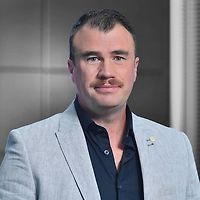
Mr Andrew Herd
General and Colorectal Surgeon
Available at 15 Shea Terrace, Takapuna, Auckland, 53 Lincoln Road, Henderson, Auckland, Silverdale Medical Centre, 7 Polarity Rise, Silverdale, Auckland, Northern Specialist Centre, 5 Painton Road, Silverdale, Auckland, Kowhai Surgery, 10 Percy Street, Warkworth, Auckland
-
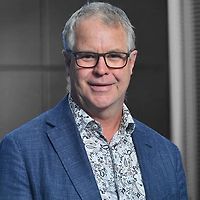
Mr Mike Hulme-Moir
General Surgeon - Laparoscopic, Colorectal, Melanoma & Endoscopist
Available at 15 Shea Terrace, Takapuna, Auckland, 124 Hobsonville Road, Hobsonville, Auckland
-

Mr John Jarvis
General and Colorectal Surgeon
Available at 15 Shea Terrace, Takapuna, Auckland, 13B Maki Street, Westgate, Auckland, Silverdale Medical Centre, 7 Polarity Rise, Silverdale, Auckland
-

Mr Andrew Moot
General and Colorectal Surgeon
Available at 15 Shea Terrace, Takapuna, Auckland, 53 Lincoln Road, Henderson, Auckland, 13-15 Bute Road, Browns Bay, Auckland
-

Mr Siraj Rajaratnam
General and Colorectal Surgeon
Available at 15 Shea Terrace, Takapuna, Auckland, Rodney Surgical Centre, 77 Morrison Drive, Warkworth, Auckland
-

Dr Nick Turnbull
Dermatologist
Available at 15 Shea Terrace, Takapuna, Auckland
-

Dr Shahed Yassaie
General and Colorectal Surgeon
Available at 15 Shea Terrace, Takapuna, Auckland, 20 Victoria Road, Devonport, Auckland, Kowhai Surgery, 10 Percy Street, Warkworth, Auckland
Referral Expectations
Fees and Charges Description
Waitematā Surgeons are Southern Cross Affiliated Providers. Our Appointments vary between $328 and $540 for a basic consult. Other charges may be added if appropriate.
Hours
8:00 AM to 5:00 PM.
| Mon – Fri | 8:00 AM – 5:00 PM |
|---|
Our clinic is open from 08:00 to 17:00 for consultations. Our phones are open for the standard hours.
Public Holidays: Closed Waitangi Day (6 Feb), Good Friday (3 Apr), Easter Sunday (5 Apr), Easter Monday (6 Apr), ANZAC Day (observed) (27 Apr), King's Birthday (1 Jun), Matariki (10 Jul), Labour Day (26 Oct), Auckland Anniversary (1 Feb).
Common Conditions
Skin conditions dealt with include lumps, tumours, cysts and other lesions of the skin and underlying tissues. These are often fairly simple conditions that can be dealt with by performing minor operations under local anaesthetic (the area of skin being treated is numbed). Often these procedures are performed as outpatient or day case procedures.
Skin conditions dealt with include lumps, tumours, cysts and other lesions of the skin and underlying tissues. These are often fairly simple conditions that can be dealt with by performing minor operations under local anaesthetic (the area of skin being treated is numbed). Often these procedures are performed as outpatient or day case procedures.
Skin conditions dealt with include lumps, tumours, cysts and other lesions of the skin and underlying tissues. These are often fairly simple conditions that can be dealt with by performing minor operations under local anaesthetic (the area of skin being treated is numbed). Often these procedures are performed as outpatient or day case procedures.
Abnormalities of the endocrine system treated by general surgery include disorders of the pancreas and adrenal glands in the abdomen and the thyroid and parathyroid glands in the neck. These are often very complex conditions requiring extensive investigations. If surgery is required it is often quite complicated and will usually mean a stay in hospital for several days or even longer.
Abnormalities of the endocrine system treated by general surgery include disorders of the pancreas and adrenal glands in the abdomen and the thyroid and parathyroid glands in the neck. These are often very complex conditions requiring extensive investigations. If surgery is required it is often quite complicated and will usually mean a stay in hospital for several days or even longer.
Abnormalities of the endocrine system treated by general surgery include disorders of the pancreas and adrenal glands in the abdomen and the thyroid and parathyroid glands in the neck. These are often very complex conditions requiring extensive investigations. If surgery is required it is often quite complicated and will usually mean a stay in hospital for several days or even longer.
General surgery covers breast diseases including breast cancer. These conditions are often initially dealt with in a specialised breast clinic which is able to perform a number of investigations (e.g. mammography, ultrasound, needle biopsy) during the initial outpatient clinic visit.
General surgery covers breast diseases including breast cancer. These conditions are often initially dealt with in a specialised breast clinic which is able to perform a number of investigations (e.g. mammography, ultrasound, needle biopsy) during the initial outpatient clinic visit.
General surgery covers breast diseases including breast cancer. These conditions are often initially dealt with in a specialised breast clinic which is able to perform a number of investigations (e.g. mammography, ultrasound, needle biopsy) during the initial outpatient clinic visit.
Conditions of the gut dealt with by general surgery include disorders of the oesophagus, stomach, small bowel, large bowel and anus. These range from complex conditions such as ulceration or cancer in the bowel through to fairly minor conditions such as haemorrhoids. Many of the more major conditions such as bowel cancer will require surgery, or sometimes treatment with medication, chemotherapy or radiotherapy. Haemorrhoids are a condition where the veins under the lining of the anus are congested and enlarged. Less severe haemorrhoids can be managed with simple treatments such as injection or banding which can be performed in the clinic while larger ones will require surgery.
Conditions of the gut dealt with by general surgery include disorders of the oesophagus, stomach, small bowel, large bowel and anus. These range from complex conditions such as ulceration or cancer in the bowel through to fairly minor conditions such as haemorrhoids. Many of the more major conditions such as bowel cancer will require surgery, or sometimes treatment with medication, chemotherapy or radiotherapy. Haemorrhoids are a condition where the veins under the lining of the anus are congested and enlarged. Less severe haemorrhoids can be managed with simple treatments such as injection or banding which can be performed in the clinic while larger ones will require surgery.
Conditions of the gut dealt with by general surgery include disorders of the oesophagus, stomach, small bowel, large bowel and anus. These range from complex conditions such as ulceration or cancer in the bowel through to fairly minor conditions such as haemorrhoids. Many of the more major conditions such as bowel cancer will require surgery, or sometimes treatment with medication, chemotherapy or radiotherapy.
Haemorrhoids are a condition where the veins under the lining of the anus are congested and enlarged. Less severe haemorrhoids can be managed with simple treatments such as injection or banding which can be performed in the clinic while larger ones will require surgery.
Salivary Gland Malfunction Salivary gland malfunction that results in a decrease in saliva production can be caused by conditions such as Parkinson’s disease, depression, HIV infection and chronic pain. Saliva production can also be decreased by certain medications such as some antidepressants, antihistamines and sedatives. Reduced saliva can lead to increased tooth decay and difficulty speaking and swallowing. Good dental care is important in this condition. In some cases, saliva substitutes can be helpful. Salivary Gland Swelling If the duct or tube carrying saliva from the gland to the mouth becomes blocked, the gland will swell. The glands can also swell as the result of mumps, bacterial infections and certain other diseases. If the duct is blocked by a stone, it can sometimes be squeezed or pulled out but may on occasion require surgery to remove it.
Salivary Gland Malfunction Salivary gland malfunction that results in a decrease in saliva production can be caused by conditions such as Parkinson’s disease, depression, HIV infection and chronic pain. Saliva production can also be decreased by certain medications such as some antidepressants, antihistamines and sedatives. Reduced saliva can lead to increased tooth decay and difficulty speaking and swallowing. Good dental care is important in this condition. In some cases, saliva substitutes can be helpful. Salivary Gland Swelling If the duct or tube carrying saliva from the gland to the mouth becomes blocked, the gland will swell. The glands can also swell as the result of mumps, bacterial infections and certain other diseases. If the duct is blocked by a stone, it can sometimes be squeezed or pulled out but may on occasion require surgery to remove it.
Salivary Gland Malfunction
Salivary gland malfunction that results in a decrease in saliva production can be caused by conditions such as Parkinson’s disease, depression, HIV infection and chronic pain. Saliva production can also be decreased by certain medications such as some antidepressants, antihistamines and sedatives.
Reduced saliva can lead to increased tooth decay and difficulty speaking and swallowing. Good dental care is important in this condition. In some cases, saliva substitutes can be helpful.
Salivary Gland Swelling
If the duct or tube carrying saliva from the gland to the mouth becomes blocked, the gland will swell. The glands can also swell as the result of mumps, bacterial infections and certain other diseases.
If the duct is blocked by a stone, it can sometimes be squeezed or pulled out but may on occasion require surgery to remove it.
General surgery covers some disorders of the liver and biliary system. The most common of these is pain caused by gallstones. These are formed if the gallbladder is not working properly, and the standard treatment is to remove the gallbladder (cholecystectomy). This procedure is usually performed using a laparoscopic (keyhole) approach.
General surgery covers some disorders of the liver and biliary system. The most common of these is pain caused by gallstones. These are formed if the gallbladder is not working properly, and the standard treatment is to remove the gallbladder (cholecystectomy). This procedure is usually performed using a laparoscopic (keyhole) approach.
General surgery covers some disorders of the liver and biliary system. The most common of these is pain caused by gallstones. These are formed if the gallbladder is not working properly, and the standard treatment is to remove the gallbladder (cholecystectomy). This procedure is usually performed using a laparoscopic (keyhole) approach.
A hernia exists where part of the abdominal wall is weakened, and the contents of the abdomen push through to the outside. This is most commonly seen in the groin area but can occur in other places. Surgical treatment is usually quite straightforward and involves returning the abdominal contents to the inside and then reinforcing the abdominal wall in some way. Hiatus Hernia: Laparoscopic: several small incisions (cuts) are made in the abdomen (stomach) and a narrow tube with a tiny camera attached (laparoscope) is inserted. Small instruments are inserted through the other cuts, allowing the surgeon to push the hernia (part of the stomach and lower oesophagus that is bulging into the chest) back into position in the abdominal cavity. The hiatus (opening) in the diaphragm (a sheet of muscle between the chest and stomach) is tightened and the stomach is stitched into place. Open: an abdominal incision is made over the hernia and the hernia is pushed back into position in the abdominal cavity. The hiatus (opening in the diaphragm) is tightened and the stomach is stitched into place. Fundoplication: during the above procedures, the top part of the stomach (fundus) may be secured in position by wrapping it around the oesophagus. Inguinal Hernia: Laparoscopic: several small incisions are made in the abdomen and a narrow tube with a tiny camera attached (laparoscope) is inserted. Small instruments are inserted through the other cuts, allowing the surgeon to push the hernia (part of the intestine that is bulging through the abdominal wall) back into its original position. The weakness in the abdominal wall is repaired. Open: an abdominal incision is made and the hernia is pushed back into position. The weakness in the abdominal wall is repaired. Umbilical Hernia: An incision is made underneath the navel (tummy button) and the hernia (part of the intestine that is bulging through the abdominal wall) is pushed back into the abdominal cavity. The weakness in the abdominal wall is repaired. Incisional Hernia: Laparoscopic: several small incisions are made in the abdomen and a narrow tube with a tiny camera attached (laparoscope) is inserted. Small instruments are inserted through the other cuts, allowing the surgeon to push the hernia (part of the intestine that is bulging through the abdominal wall) back into its original position. Open: an abdominal incision is made and the hernia is pushed back into position.
A hernia exists where part of the abdominal wall is weakened, and the contents of the abdomen push through to the outside. This is most commonly seen in the groin area but can occur in other places. Surgical treatment is usually quite straightforward and involves returning the abdominal contents to the inside and then reinforcing the abdominal wall in some way. Hiatus Hernia: Laparoscopic: several small incisions (cuts) are made in the abdomen (stomach) and a narrow tube with a tiny camera attached (laparoscope) is inserted. Small instruments are inserted through the other cuts, allowing the surgeon to push the hernia (part of the stomach and lower oesophagus that is bulging into the chest) back into position in the abdominal cavity. The hiatus (opening) in the diaphragm (a sheet of muscle between the chest and stomach) is tightened and the stomach is stitched into place. Open: an abdominal incision is made over the hernia and the hernia is pushed back into position in the abdominal cavity. The hiatus (opening in the diaphragm) is tightened and the stomach is stitched into place. Fundoplication: during the above procedures, the top part of the stomach (fundus) may be secured in position by wrapping it around the oesophagus. Inguinal Hernia: Laparoscopic: several small incisions are made in the abdomen and a narrow tube with a tiny camera attached (laparoscope) is inserted. Small instruments are inserted through the other cuts, allowing the surgeon to push the hernia (part of the intestine that is bulging through the abdominal wall) back into its original position. The weakness in the abdominal wall is repaired. Open: an abdominal incision is made and the hernia is pushed back into position. The weakness in the abdominal wall is repaired. Umbilical Hernia: An incision is made underneath the navel (tummy button) and the hernia (part of the intestine that is bulging through the abdominal wall) is pushed back into the abdominal cavity. The weakness in the abdominal wall is repaired. Incisional Hernia: Laparoscopic: several small incisions are made in the abdomen and a narrow tube with a tiny camera attached (laparoscope) is inserted. Small instruments are inserted through the other cuts, allowing the surgeon to push the hernia (part of the intestine that is bulging through the abdominal wall) back into its original position. Open: an abdominal incision is made and the hernia is pushed back into position.
A hernia exists where part of the abdominal wall is weakened, and the contents of the abdomen push through to the outside. This is most commonly seen in the groin area but can occur in other places. Surgical treatment is usually quite straightforward and involves returning the abdominal contents to the inside and then reinforcing the abdominal wall in some way.
Hiatus Hernia:
Laparoscopic: several small incisions (cuts) are made in the abdomen (stomach) and a narrow tube with a tiny camera attached (laparoscope) is inserted. Small instruments are inserted through the other cuts, allowing the surgeon to push the hernia (part of the stomach and lower oesophagus that is bulging into the chest) back into position in the abdominal cavity. The hiatus (opening) in the diaphragm (a sheet of muscle between the chest and stomach) is tightened and the stomach is stitched into place.
Open: an abdominal incision is made over the hernia and the hernia is pushed back into position in the abdominal cavity. The hiatus (opening in the diaphragm) is tightened and the stomach is stitched into place.
Fundoplication: during the above procedures, the top part of the stomach (fundus) may be secured in position by wrapping it around the oesophagus.
Inguinal Hernia:
Laparoscopic: several small incisions are made in the abdomen and a narrow tube with a tiny camera attached (laparoscope) is inserted. Small instruments are inserted through the other cuts, allowing the surgeon to push the hernia (part of the intestine that is bulging through the abdominal wall) back into its original position. The weakness in the abdominal wall is repaired.
Open: an abdominal incision is made and the hernia is pushed back into position. The weakness in the abdominal wall is repaired.
Umbilical Hernia:
An incision is made underneath the navel (tummy button) and the hernia (part of the intestine that is bulging through the abdominal wall) is pushed back into the abdominal cavity. The weakness in the abdominal wall is repaired.
Incisional Hernia:
Laparoscopic: several small incisions are made in the abdomen and a narrow tube with a tiny camera attached (laparoscope) is inserted. Small instruments are inserted through the other cuts, allowing the surgeon to push the hernia (part of the intestine that is bulging through the abdominal wall) back into its original position.
Open: an abdominal incision is made and the hernia is pushed back into position.
Vascular (blood vessel) disorders treated by general surgery include varicose veins, blockages and narrowings in the arteries or abnormal swellings of the arteries (aneurysm). The most common of these conditions facing the general surgeon is varicose veins. This occurs when veins in the legs and thighs become enlarged and twisted. This is often caused by the failure of the one-way valve system in the veins, in which case it can be treated surgically by removing the segments of veins containing the malfunctioning valves as well as those veins which are significantly dilated.
Vascular (blood vessel) disorders treated by general surgery include varicose veins, blockages and narrowings in the arteries or abnormal swellings of the arteries (aneurysm). The most common of these conditions facing the general surgeon is varicose veins. This occurs when veins in the legs and thighs become enlarged and twisted. This is often caused by the failure of the one-way valve system in the veins, in which case it can be treated surgically by removing the segments of veins containing the malfunctioning valves as well as those veins which are significantly dilated.
Vascular (blood vessel) disorders treated by general surgery include varicose veins, blockages and narrowings in the arteries or abnormal swellings of the arteries (aneurysm). The most common of these conditions facing the general surgeon is varicose veins. This occurs when veins in the legs and thighs become enlarged and twisted. This is often caused by the failure of the one-way valve system in the veins, in which case it can be treated surgically by removing the segments of veins containing the malfunctioning valves as well as those veins which are significantly dilated.
Disability Assistance
Mobility parking space, Wheelchair access, Wheelchair accessible toilet
Travel Directions
Shea Terrace
Shea Terrace runs off Taharoto Rd, Takapuna. We are located at 15 Shea Terrace, directly opposite the St Johns Ambulance Centre.
Parking
We offer free secure parking out the front of our building or beneath the building; however spaces are limited. To access the parking please drive down the driveway on the left side of our clinic next to the café and stay close to the right-hand wall. You will find an intercom box there. Press the button for Waitemata Specialist Centre, and our secretary will remotely open the garage door for you. The garage entrance is directly ahead on the right.
Pharmacy
There is a pharmacy across the road, within North Shore Hospital.
Website

Contact Details
124 Hobsonville Road, Hobsonville, Auckland
West Auckland
8:00 AM to 5:00 PM.
-
Phone
09 441 2750
Healthlink EDI
waitemas
Email
Website
Hobsonville Family Doctors, 124 Hobsonville Road
Hobsonville
Upper Harbour
Auckland 0618
Street Address
Hobsonville Family Doctors, 124 Hobsonville Road
Hobsonville
Upper Harbour
Auckland 0618
Postal Address
15 Shea Terrace
Takapuna
AUCKLAND
15 Shea Terrace, Takapuna, Auckland
North Auckland
8:00 AM to 5:00 PM.
-
Phone
09 441 2750
Healthlink EDI
waitemas
Email
Website
53 Lincoln Road, Henderson, Auckland
West Auckland
8:00 AM to 5:00 PM.
-
Phone
09 441 2750
Healthlink EDI
waitemas
Email
Website
13B Maki Street, Westgate, Auckland
West Auckland
8:00 AM to 5:00 PM.
-
Phone
09 441 2750
Healthlink EDI
waitemas
Email
Website
13-15 Bute Road, Browns Bay, Auckland
North Auckland
8:00 AM to 5:00 PM.
-
Phone
09 441 2750
Healthlink EDI
waitemas
Email
Website
20 Victoria Road, Devonport, Auckland
North Auckland
8:00 AM to 5:00 PM.
-
Phone
09 441 2750
Healthlink EDI
waitemas
Email
Website
Silverdale Medical Centre, 7 Polarity Rise, Silverdale, Auckland
North Auckland
8:00 AM to 5:00 PM.
-
Phone
09 441 2750
Healthlink EDI
waitemas
Email
Website
Northern Specialist Centre, 5 Painton Road, Silverdale, Auckland
North Auckland
8:00 AM to 5:00 PM.
-
Phone
09 441 2750
Healthlink EDI
waitemas
Email
Website
Rodney Surgical Centre, 77 Morrison Drive, Warkworth, Auckland
North Auckland
8:00 AM to 5:00 PM.
-
Phone
09 441 2750
Healthlink EDI
waitemas
Email
Website
Kowhai Surgery, 10 Percy Street, Warkworth, Auckland
North Auckland
8:00 AM to 5:00 PM.
-
Phone
09 441 2750
Healthlink EDI
waitemas
Email
Website
Was this page helpful?
This page was last updated at 12:03PM on April 15, 2026. This information is reviewed and edited by Waitematā Surgeons.