Hutt, Wellington > Private Hospitals & Specialists >
Andrew Linton - Geriatrician
Private Service, Older People's Health
Today
8:00 AM to 5:00 PM.
Description
Special interests include:
- Memory assessment
- Parkinson’s disease
- Falls
- Poly-pharmacy
- Stroke medicine
- Peri-operative medicine for older people
- Osteoporosis
- Frailty
Consultants
-
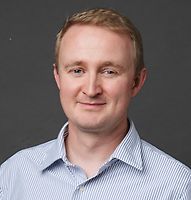
Dr Andrew Linton
Specialist Geriatrician
Ages
Older adult / Kaumātua
How do I access this service?
Contact us, Referral
Referral Expectations
It is a good idea to bring a list of some questions you may have and a list of your current medications. A GP referral is very useful to provide your background health information.
Fees and Charges Categorisation
Fees apply
Fees and Charges Description
Hours
8:00 AM to 5:00 PM.
| Mon – Fri | 8:00 AM – 5:00 PM |
|---|
Above hours are for the clinic reception.
Languages Spoken
English
Services Provided
This is a condition of gradual loss of memory and other functions of awareness or thinking such as concentration over time. There are several types of dementia including Alzheimer’s disease and vascular dementia, which is due to the same sort of illnesses that cause stroke.
This is a condition of gradual loss of memory and other functions of awareness or thinking such as concentration over time. There are several types of dementia including Alzheimer’s disease and vascular dementia, which is due to the same sort of illnesses that cause stroke.
This is a condition of gradual loss of memory and other functions of awareness or thinking such as concentration over time. There are several types of dementia including Alzheimer’s disease and vascular dementia, which is due to the same sort of illnesses that cause stroke.
These are not a natural part of aging. There are many reasons why people fall over and a review of your medical problems and medications may well reveal some reasons for falling that can be fixed. If you have lots of falls, seeing a specialist as well as the physiotherapist and occupational therapist can reduce your chances of falling again. You will be asked about the circumstances surrounding your falls and it is helpful if family or friends who witnessed your falls come into the clinic with you. You will have an examination looking at your general health as well as strength, balance, vision and memory. An occupational therapist may come to your home to look into any changes that can be made to improve safety. For more information on falls prevention the ACC website has information on Staying safe from trips and falls
These are not a natural part of aging. There are many reasons why people fall over and a review of your medical problems and medications may well reveal some reasons for falling that can be fixed. If you have lots of falls, seeing a specialist as well as the physiotherapist and occupational therapist can reduce your chances of falling again. You will be asked about the circumstances surrounding your falls and it is helpful if family or friends who witnessed your falls come into the clinic with you. You will have an examination looking at your general health as well as strength, balance, vision and memory. An occupational therapist may come to your home to look into any changes that can be made to improve safety. For more information on falls prevention the ACC website has information on Staying safe from trips and falls
These are not a natural part of aging. There are many reasons why people fall over and a review of your medical problems and medications may well reveal some reasons for falling that can be fixed. If you have lots of falls, seeing a specialist as well as the physiotherapist and occupational therapist can reduce your chances of falling again. You will be asked about the circumstances surrounding your falls and it is helpful if family or friends who witnessed your falls come into the clinic with you. You will have an examination looking at your general health as well as strength, balance, vision and memory. An occupational therapist may come to your home to look into any changes that can be made to improve safety. For more information on falls prevention the ACC website has information on Staying safe from trips and falls
There are several types of memory problems people can have. If you are referred because of memory concerns it is very helpful to bring along a family member. It is also very important to bring all of your medications with you as these can often affect memory. A full medical examination will be done and you will be asked some questions to test your memory and concentration as well as mood. You are likely to have blood tests looking for some causes of memory loss and depending on your history you may be referred for a CT scan of your brain. This is a computerised X-ray, which involves you lying down for about 15 minutes while a machine passes over you.
There are several types of memory problems people can have. If you are referred because of memory concerns it is very helpful to bring along a family member. It is also very important to bring all of your medications with you as these can often affect memory. A full medical examination will be done and you will be asked some questions to test your memory and concentration as well as mood. You are likely to have blood tests looking for some causes of memory loss and depending on your history you may be referred for a CT scan of your brain. This is a computerised X-ray, which involves you lying down for about 15 minutes while a machine passes over you.
There are several types of memory problems people can have. If you are referred because of memory concerns it is very helpful to bring along a family member. It is also very important to bring all of your medications with you as these can often affect memory. A full medical examination will be done and you will be asked some questions to test your memory and concentration as well as mood. You are likely to have blood tests looking for some causes of memory loss and depending on your history you may be referred for a CT scan of your brain. This is a computerised X-ray, which involves you lying down for about 15 minutes while a machine passes over you.
Osteoporosis is a disease that weakens your bones. Osteoporosis is not painful but it makes your bones more prone to breaking (fracture). Women are more likely than men to suffer from osteoporosis and as you get older you are more likely to have it. Tests Osteoporosis can be diagnosed by measuring bone mineral density (BMD). This test involves taking x-rays or a computer tomography (CT) scan of the bones in your spine, wrist, arm or leg. You may be asked to have a blood test to look for reasons why you might have osteoporosis. Treatment There is no cure for osteoporosis, but there are treatments that can improve bone strength and reduce your chances of breaking a bone.
Osteoporosis is a disease that weakens your bones. Osteoporosis is not painful but it makes your bones more prone to breaking (fracture). Women are more likely than men to suffer from osteoporosis and as you get older you are more likely to have it. Tests Osteoporosis can be diagnosed by measuring bone mineral density (BMD). This test involves taking x-rays or a computer tomography (CT) scan of the bones in your spine, wrist, arm or leg. You may be asked to have a blood test to look for reasons why you might have osteoporosis. Treatment There is no cure for osteoporosis, but there are treatments that can improve bone strength and reduce your chances of breaking a bone.
Osteoporosis is a disease that weakens your bones. Osteoporosis is not painful but it makes your bones more prone to breaking (fracture). Women are more likely than men to suffer from osteoporosis and as you get older you are more likely to have it.
Tests
Osteoporosis can be diagnosed by measuring bone mineral density (BMD). This test involves taking x-rays or a computer tomography (CT) scan of the bones in your spine, wrist, arm or leg. You may be asked to have a blood test to look for reasons why you might have osteoporosis.
Treatment
There is no cure for osteoporosis, but there are treatments that can improve bone strength and reduce your chances of breaking a bone.
Parkinson's disease is a disorder of the brain characterised by shaking (tremor), slowing of movement and difficulty with walking and coordination. The disease is due to progressive deterioration of the cells in the part of the brain that controls muscle movement. The disorder may affect one or both sides of the body, with varying degrees of loss of function. Symptoms include: shaking (not always present), stiffness, loss of balance, shuffling walk, slow movements, difficulty initiating any voluntary movement, muscle aches and pains, reduced ability to show facial expressions, voice or speech changes, difficulty writing (may be small and hard to read), difficulty with any activity that requires small movements. Diagnosis is usually made on the history and with an examination, with no need for further testing unless there is some uncertainty. There are some diseases that can mimic Parkinson’s disease. There is no known cure for Parkinson's disease. Treatment is aimed at controlling the symptoms and maintaining quality of life for as long as possible and may include supportive therapies such as physiotherapy and occupational therapy, medication and deep brain stimulation. Monitoring and follow-up by doctors is important. For more information about Parkinson’s disease and related conditions as well as support groups in New Zealand visit www.parkinsons.org.nz
Parkinson's disease is a disorder of the brain characterised by shaking (tremor), slowing of movement and difficulty with walking and coordination. The disease is due to progressive deterioration of the cells in the part of the brain that controls muscle movement. The disorder may affect one or both sides of the body, with varying degrees of loss of function. Symptoms include: shaking (not always present), stiffness, loss of balance, shuffling walk, slow movements, difficulty initiating any voluntary movement, muscle aches and pains, reduced ability to show facial expressions, voice or speech changes, difficulty writing (may be small and hard to read), difficulty with any activity that requires small movements. Diagnosis is usually made on the history and with an examination, with no need for further testing unless there is some uncertainty. There are some diseases that can mimic Parkinson’s disease. There is no known cure for Parkinson's disease. Treatment is aimed at controlling the symptoms and maintaining quality of life for as long as possible and may include supportive therapies such as physiotherapy and occupational therapy, medication and deep brain stimulation. Monitoring and follow-up by doctors is important. For more information about Parkinson’s disease and related conditions as well as support groups in New Zealand visit www.parkinsons.org.nz
Parkinson's disease is a disorder of the brain characterised by shaking (tremor), slowing of movement and difficulty with walking and coordination. The disease is due to progressive deterioration of the cells in the part of the brain that controls muscle movement. The disorder may affect one or both sides of the body, with varying degrees of loss of function.
Symptoms include: shaking (not always present), stiffness, loss of balance, shuffling walk, slow movements, difficulty initiating any voluntary movement, muscle aches and pains, reduced ability to show facial expressions, voice or speech changes, difficulty writing (may be small and hard to read), difficulty with any activity that requires small movements.
Diagnosis is usually made on the history and with an examination, with no need for further testing unless there is some uncertainty. There are some diseases that can mimic Parkinson’s disease.
There is no known cure for Parkinson's disease. Treatment is aimed at controlling the symptoms and maintaining quality of life for as long as possible and may include supportive therapies such as physiotherapy and occupational therapy, medication and deep brain stimulation. Monitoring and follow-up by doctors is important.
For more information about Parkinson’s disease and related conditions as well as support groups in New Zealand visit www.parkinsons.org.nz
A stroke is where the blood supply to an area of the brain is interrupted causing damage to brain cells. This happens either with a clot in the blood vessel or the blood vessel bursting. The effects of a stroke depend on where in the brain, and how big, the interruption to blood flow is. Most people who have had a stroke are admitted to hospital. Rehabilitation after a stroke is aimed at increasing your independence, preventing complications from stroke and preventing further strokes. For more information on stroke a very useful website is the Stroke Aotearoa New Zealand site www.stroke.org.nz
A stroke is where the blood supply to an area of the brain is interrupted causing damage to brain cells. This happens either with a clot in the blood vessel or the blood vessel bursting. The effects of a stroke depend on where in the brain, and how big, the interruption to blood flow is. Most people who have had a stroke are admitted to hospital. Rehabilitation after a stroke is aimed at increasing your independence, preventing complications from stroke and preventing further strokes. For more information on stroke a very useful website is the Stroke Aotearoa New Zealand site www.stroke.org.nz
A stroke is where the blood supply to an area of the brain is interrupted causing damage to brain cells. This happens either with a clot in the blood vessel or the blood vessel bursting. The effects of a stroke depend on where in the brain, and how big, the interruption to blood flow is. Most people who have had a stroke are admitted to hospital. Rehabilitation after a stroke is aimed at increasing your independence, preventing complications from stroke and preventing further strokes. For more information on stroke a very useful website is the Stroke Aotearoa New Zealand site www.stroke.org.nz
Disability Assistance
Wheelchair access, Mobility parking space, Wheelchair accessible toilet
Public Transport
See the metlink website for your public transport options
Parking
Limited carpark spaces are available. Our reception staff can assist you with any queries.
Pharmacy
Find your nearest pharmacy here
Contact Details
8:00 AM to 5:00 PM.
-
Phone
(04) 903 2900
Healthlink EDI
sxhospru
Email
Website
therutherfordclinic.co.nz/dr-andrew-linton-specialist-geriatrician/
1st Floor, Verve Building, 2 Connolly Street
Lower Hutt Central
Lower Hutt
Wellington 5010
Street Address
1st Floor, Verve Building, 2 Connolly Street
Lower Hutt Central
Lower Hutt
Wellington 5010
Postal Address
The Rutherford Clinic at Thorndon Quay and Lower Hutt.
167 Thorndon Quay, Pipitea, Wellington
Wellington
8:00 AM to 5:00 PM.
-
Phone
(04) 903 2900
Healthlink EDI
sxhospru
Email
Website
therutherfordclinic.co.nz/dr-andrew-linton-specialist-geriatrician/
Was this page helpful?
This page was last updated at 11:55AM on September 16, 2025. This information is reviewed and edited by Andrew Linton - Geriatrician.