
Waikato > Private Hospitals & Specialists >
Bridgewater Day Surgery - Ophthalmology
Private Surgical Service, Ophthalmology
Today
Description
We are experts in cataract surgery and cover all aspects of eye surgery and ophthalmic care. This ensures our patients receive the highest standard of treatment and personalized care.
We have been providing comprehensive ophthalmic care to the greater Waikato region for over 30 years.
Consultants
-
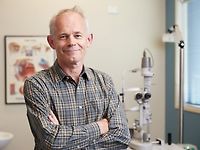
Dr John Dickson
Ophthalmologist
-

Dr Reid Ferguson
Ophthalmologist
-

Dr Stephen Guest
Ophthalmologist
-

Dr Benjamin Hoy
Ophthalmologist
-

Dr Thiyagaraj Krishnan
Ophthalmologist
-

Dr Selma Matloob
Ophthalmologist
-

Dr Michael Merriman
Ophthalmologist
-

Dr Bheema Patil
Ophthalmologist
-

Dr Rohan Weerekoon
Ophthalmologist
-

Dr David Worsley
Ophthalmologist
Ages
Adult / Pakeke, Older adult / Kaumātua
How do I access this service?
Make an appointment
Following consultation with the specialist, your appointment will be arranged by the specialist's receptionist. You will be contacted with the details.
You will need to complete a "blue" Bridgewater Day Surgery Admission form at least three days prior to your admission for surgery. Find more details here
Fees and Charges Categorisation
Fees apply
Fees and Charges Description
Depending on your health insurance policy a prior approval number can be gained before surgery.
If you do not have insurance cover, please discuss with the Bridgewater Day Surgery receptionist your preferred method of payment. Find out more here.
Hours
| Mon – Fri | 9:00 AM – 5:00 PM |
|---|
Public Holidays: Closed Waitangi Day (6 Feb), Good Friday (3 Apr), Easter Sunday (5 Apr), Easter Monday (6 Apr), ANZAC Day (observed) (27 Apr), King's Birthday (1 Jun), Matariki (10 Jul), Labour Day (26 Oct).
Languages Spoken
English
Procedures / Treatments
A cataract is a term for when the natural lens of the eye becomes cloudy. In its most advanced form, the pupil appears white and is the major cause of correctable blindness in the world. In the earlier stages people may notice their vision is blurry (like looking through cloudy water) or have difficulty in appreciating colours and changes in contrast, driving, reading, recognizing faces and a sensitivity to light/glare - all of these gradually worsening. Initially, changes in the eye’s focus can be corrected with glasses. Eventually the cataract will prevent normal vision being possible. This is when surgery is considered. Usually occurring when people are in their 70’s or older, cataracts can, however, occur at any age, even at birth. Some illnesses such as diabetes, and some medications such as steroids like prednisone, can contribute to cataracts developing at an earlier age. Cataract surgery, as carried out by Hamilton Eye Clinic’s Ophthalmologists, uses techniques which enable the process to be painless and stress free. Usually spending less than 2 hours at a hospital, like Bridgewater Day Surgery, most people have the 20 minute procedure with local anaesthetic. The cloudy lens is removed and a new one replaces it. The replacement lens is manufactured in different strengths to enable a lens to be selected for your eye. Often the recovery is quick - many people will see clearly the next day.
A cataract is a term for when the natural lens of the eye becomes cloudy. In its most advanced form, the pupil appears white and is the major cause of correctable blindness in the world. In the earlier stages people may notice their vision is blurry (like looking through cloudy water) or have difficulty in appreciating colours and changes in contrast, driving, reading, recognizing faces and a sensitivity to light/glare - all of these gradually worsening. Initially, changes in the eye’s focus can be corrected with glasses. Eventually the cataract will prevent normal vision being possible. This is when surgery is considered. Usually occurring when people are in their 70’s or older, cataracts can, however, occur at any age, even at birth. Some illnesses such as diabetes, and some medications such as steroids like prednisone, can contribute to cataracts developing at an earlier age. Cataract surgery, as carried out by Hamilton Eye Clinic’s Ophthalmologists, uses techniques which enable the process to be painless and stress free. Usually spending less than 2 hours at a hospital, like Bridgewater Day Surgery, most people have the 20 minute procedure with local anaesthetic. The cloudy lens is removed and a new one replaces it. The replacement lens is manufactured in different strengths to enable a lens to be selected for your eye. Often the recovery is quick - many people will see clearly the next day.
A cataract is a term for when the natural lens of the eye becomes cloudy. In its most advanced form, the pupil appears white and is the major cause of correctable blindness in the world.
In the earlier stages people may notice their vision is blurry (like looking through cloudy water) or have difficulty in appreciating colours and changes in contrast, driving, reading, recognizing faces and a sensitivity to light/glare - all of these gradually worsening. Initially, changes in the eye’s focus can be corrected with glasses.
Eventually the cataract will prevent normal vision being possible. This is when surgery is considered. Usually occurring when people are in their 70’s or older, cataracts can, however, occur at any age, even at birth.
Some illnesses such as diabetes, and some medications such as steroids like prednisone, can contribute to cataracts developing at an earlier age. Cataract surgery, as carried out by Hamilton Eye Clinic’s Ophthalmologists, uses techniques which enable the process to be painless and stress free.
Usually spending less than 2 hours at a hospital, like Bridgewater Day Surgery, most people have the 20 minute procedure with local anaesthetic.
The cloudy lens is removed and a new one replaces it. The replacement lens is manufactured in different strengths to enable a lens to be selected for your eye.
Often the recovery is quick - many people will see clearly the next day.
Glaucoma Treatment There is a lot more to glaucoma than eye pressure, at present the only way we can treat glaucoma is by lowering eye pressure. The good news is that if we get the eye pressure down to a safe level, in almost all cases of glaucoma we will halt the disease, or at least slow it down so that significant vision impairment does not occur in the patient’s lifetime. The level of pressure that is safe is different for each patient, so we set “target pressures” for each individual. (Generally speaking, the lower the eye pressure the better). Most glaucoma patients instil eye drops to keep their eye pressures at a safe level. A patient may be on one, two or more different glaucoma eye drops. Laser treatment (laser trabeculoplasty) is a very safe and generally painless way to treat glaucoma and should be considered for all newly diagnosed cases of glaucoma. Successful laser treatment can keep the eye pressure down for many years without requiring eye drops. (The laser used is very different from the laser used to allow people to manage without glasses.) Surgery is also used to treat glaucoma: it is employed when the eye pressure cannot be controlled by drops and laser, and when patients cannot tolerate eye drops (or manage to get them in regularly). Several large studies in Britain and the USA have shown that surgery should also be considered for newly diagnosed glaucoma. Having glaucoma means that you must have a life-long association with your ophthalmologist. The disease can be controlled but not cured, and it is essential that patients are seen regularly (for most, this is six monthly).
Glaucoma Treatment There is a lot more to glaucoma than eye pressure, at present the only way we can treat glaucoma is by lowering eye pressure. The good news is that if we get the eye pressure down to a safe level, in almost all cases of glaucoma we will halt the disease, or at least slow it down so that significant vision impairment does not occur in the patient’s lifetime. The level of pressure that is safe is different for each patient, so we set “target pressures” for each individual. (Generally speaking, the lower the eye pressure the better). Most glaucoma patients instil eye drops to keep their eye pressures at a safe level. A patient may be on one, two or more different glaucoma eye drops. Laser treatment (laser trabeculoplasty) is a very safe and generally painless way to treat glaucoma and should be considered for all newly diagnosed cases of glaucoma. Successful laser treatment can keep the eye pressure down for many years without requiring eye drops. (The laser used is very different from the laser used to allow people to manage without glasses.) Surgery is also used to treat glaucoma: it is employed when the eye pressure cannot be controlled by drops and laser, and when patients cannot tolerate eye drops (or manage to get them in regularly). Several large studies in Britain and the USA have shown that surgery should also be considered for newly diagnosed glaucoma. Having glaucoma means that you must have a life-long association with your ophthalmologist. The disease can be controlled but not cured, and it is essential that patients are seen regularly (for most, this is six monthly).
There is a lot more to glaucoma than eye pressure, at present the only way we can treat glaucoma is by lowering eye pressure. The good news is that if we get the eye pressure down to a safe level, in almost all cases of glaucoma we will halt the disease, or at least slow it down so that significant vision impairment does not occur in the patient’s lifetime.
The level of pressure that is safe is different for each patient, so we set “target pressures” for each individual. (Generally speaking, the lower the eye pressure the better).
Most glaucoma patients instil eye drops to keep their eye pressures at a safe level. A patient may be on one, two or more different glaucoma eye drops. Laser treatment (laser trabeculoplasty) is a very safe and generally painless way to treat glaucoma and should be considered for all newly diagnosed cases of glaucoma.
Successful laser treatment can keep the eye pressure down for many years without requiring eye drops. (The laser used is very different from the laser used to allow people to manage without glasses.) Surgery is also used to treat glaucoma: it is employed when the eye pressure cannot be controlled by drops and laser, and when patients cannot tolerate eye drops (or manage to get them in regularly).
Several large studies in Britain and the USA have shown that surgery should also be considered for newly diagnosed glaucoma.
Having glaucoma means that you must have a life-long association with your ophthalmologist. The disease can be controlled but not cured, and it is essential that patients are seen regularly (for most, this is six monthly).
Oculoplastic and lacrimal surgery is a sub-specialty of ophthalmology which focuses on disorders of the eyelids, tear-drainage system and the bones behind the eye, commonly known as the orbit. Oculoplastic surgery also includes cosmetic surgery of the eyes. Common problems that require Oculoplastic, lacrimal or orbital surgery include: Facial fractures and injuries Tumors Droopy eyelids Blocked tear ducts Skin cancer Birth deformities Thyroid eye disease Excessive watering of the eye Hamilton Eye Clinic has specialists who are experts in oculoplastic and lacrimal surgery.
Oculoplastic and lacrimal surgery is a sub-specialty of ophthalmology which focuses on disorders of the eyelids, tear-drainage system and the bones behind the eye, commonly known as the orbit. Oculoplastic surgery also includes cosmetic surgery of the eyes. Common problems that require Oculoplastic, lacrimal or orbital surgery include: Facial fractures and injuries Tumors Droopy eyelids Blocked tear ducts Skin cancer Birth deformities Thyroid eye disease Excessive watering of the eye Hamilton Eye Clinic has specialists who are experts in oculoplastic and lacrimal surgery.
Oculoplastic and lacrimal surgery is a sub-specialty of ophthalmology which focuses on disorders of the eyelids, tear-drainage system and the bones behind the eye, commonly known as the orbit.
Oculoplastic surgery also includes cosmetic surgery of the eyes.
Common problems that require Oculoplastic, lacrimal or orbital surgery include:
- Facial fractures and injuries
- Tumors
- Droopy eyelids
- Blocked tear ducts
- Skin cancer
- Birth deformities
- Thyroid eye disease
- Excessive watering of the eye
Hamilton Eye Clinic has specialists who are experts in oculoplastic and lacrimal surgery.
An incision (cut) is made in the lining of the eye (the clear film that covers the eyeball). The squint is corrected by repositioning the weak muscle or muscles from their original position to a new position on the eyeball.
An incision (cut) is made in the lining of the eye (the clear film that covers the eyeball). The squint is corrected by repositioning the weak muscle or muscles from their original position to a new position on the eyeball.
An incision (cut) is made in the lining of the eye (the clear film that covers the eyeball). The squint is corrected by repositioning the weak muscle or muscles from their original position to a new position on the eyeball.
Retinal Tears If a tear of the retina has occurred, laser treatment or cryotherapy may be used to seal the tear, so that a retinal detachment doesn’t occur. Laser treatment (photocoagulation) – A tiny laser beam is directed through your pupil using special lenses, and creates multiple “spot welds” around the retinal tear to seal it. Cryotherapy (freezing treatment) – A small probe is applied to the outside of the eye overlying the tear and freezes through to the tear, creating a scar that seals the hole. Both treatments are usually performed under local anaesthesia and can be associated with a little discomfort. The eye may be red and a little sore for a few days after cryotherapy. Types of surgery repair retinal detachment Pneumatic Retinopexy Cryotherapy (freezing) or laser treatment is applied to the retinal tear. A gas bubble is injected into the vitreous gel to push the detached retina against the back of the eye and allow the tear to seal. You are asked to maintain your head in a certain position for several days. The gas bubble may take several weeks to disappear, during which time it is unsafe to fly in an aeroplane. Vitrectomy Tiny incisions are made in the wall of the eye and fine instruments positioned inside the eye to remove the vitreous gel and replace it with a gas bubble. Laser or cryotherapy is applied to the retinal tear to seal it, and positioning of the head for several days is required. Over time the gas is absorbed and replaced by the eye’s own clear fluid, but while you have a gas bubble in the eye, it is unsafe to fly. Scleral buckling A cryotherapy probe is initially used to seal the retinal tear from the outside of the eye. A strip of silicone or plastic called a “buckle” is then sewn onto the white outside wall of the eye over the site of the retinal tear. This pushes the wall of the eye in closer to the underlying retinal tear and encourages the retina to reattach. The buckle is left on the eye permanently, but is hidden away under the tissue behind the eyelids. Your surgeon will discuss with you which is the most appropriate operation for your eye. Treatment of retinal detachment When part of the retina has detached, vision will be lost unless reattachment surgery is performed. Fortunately almost all retinal detachments can be repaired, although sometimes more than one operation is required. Reattaching the retina usually takes away the shadow in the vision caused by the retinal detachment. If, however, the shadow extended into the centre of the vision, a degree of permanent damage may have occurred and it is unlikely that your reading vision will be fully restored, even when surgery to reattach the retina is successful.
Retinal Tears If a tear of the retina has occurred, laser treatment or cryotherapy may be used to seal the tear, so that a retinal detachment doesn’t occur. Laser treatment (photocoagulation) – A tiny laser beam is directed through your pupil using special lenses, and creates multiple “spot welds” around the retinal tear to seal it. Cryotherapy (freezing treatment) – A small probe is applied to the outside of the eye overlying the tear and freezes through to the tear, creating a scar that seals the hole. Both treatments are usually performed under local anaesthesia and can be associated with a little discomfort. The eye may be red and a little sore for a few days after cryotherapy. Types of surgery repair retinal detachment Pneumatic Retinopexy Cryotherapy (freezing) or laser treatment is applied to the retinal tear. A gas bubble is injected into the vitreous gel to push the detached retina against the back of the eye and allow the tear to seal. You are asked to maintain your head in a certain position for several days. The gas bubble may take several weeks to disappear, during which time it is unsafe to fly in an aeroplane. Vitrectomy Tiny incisions are made in the wall of the eye and fine instruments positioned inside the eye to remove the vitreous gel and replace it with a gas bubble. Laser or cryotherapy is applied to the retinal tear to seal it, and positioning of the head for several days is required. Over time the gas is absorbed and replaced by the eye’s own clear fluid, but while you have a gas bubble in the eye, it is unsafe to fly. Scleral buckling A cryotherapy probe is initially used to seal the retinal tear from the outside of the eye. A strip of silicone or plastic called a “buckle” is then sewn onto the white outside wall of the eye over the site of the retinal tear. This pushes the wall of the eye in closer to the underlying retinal tear and encourages the retina to reattach. The buckle is left on the eye permanently, but is hidden away under the tissue behind the eyelids. Your surgeon will discuss with you which is the most appropriate operation for your eye. Treatment of retinal detachment When part of the retina has detached, vision will be lost unless reattachment surgery is performed. Fortunately almost all retinal detachments can be repaired, although sometimes more than one operation is required. Reattaching the retina usually takes away the shadow in the vision caused by the retinal detachment. If, however, the shadow extended into the centre of the vision, a degree of permanent damage may have occurred and it is unlikely that your reading vision will be fully restored, even when surgery to reattach the retina is successful.
If a tear of the retina has occurred, laser treatment or cryotherapy may be used to seal the tear, so that a retinal detachment doesn’t occur.
Laser treatment (photocoagulation) – A tiny laser beam is directed through your pupil using special lenses, and creates multiple “spot welds” around the retinal tear to seal it.
Cryotherapy (freezing treatment) – A small probe is applied to the outside of the eye overlying the tear and freezes through to the tear, creating a scar that seals the hole. Both treatments are usually performed under local anaesthesia and can be associated with a little discomfort. The eye may be red and a little sore for a few days after cryotherapy.
-
Pneumatic RetinopexyCryotherapy (freezing) or laser treatment is applied to the retinal tear. A gas bubble is injected into the vitreous gel to push the detached retina against the back of the eye and allow the tear to seal. You are asked to maintain your head in a certain position for several days. The gas bubble may take several weeks to disappear, during which time it is unsafe to fly in an aeroplane.
-
VitrectomyTiny incisions are made in the wall of the eye and fine instruments positioned inside the eye to remove the vitreous gel and replace it with a gas bubble. Laser or cryotherapy is applied to the retinal tear to seal it, and positioning of the head for several days is required. Over time the gas is absorbed and replaced by the eye’s own clear fluid, but while you have a gas bubble in the eye, it is unsafe to fly.
-
Scleral bucklingA cryotherapy probe is initially used to seal the retinal tear from the outside of the eye. A strip of silicone or plastic called a “buckle” is then sewn onto the white outside wall of the eye over the site of the retinal tear. This pushes the wall of the eye in closer to the underlying retinal tear and encourages the retina to reattach. The buckle is left on the eye permanently, but is hidden away under the tissue behind the eyelids. Your surgeon will discuss with you which is the most appropriate operation for your eye.
When part of the retina has detached, vision will be lost unless reattachment surgery is performed. Fortunately almost all retinal detachments can be repaired, although sometimes more than one operation is required. Reattaching the retina usually takes away the shadow in the vision caused by the retinal detachment. If, however, the shadow extended into the centre of the vision, a degree of permanent damage may have occurred and it is unlikely that your reading vision will be fully restored, even when surgery to reattach the retina is successful.
Online Booking URL
Refreshments
After surgery a light refreshment is provided. Please specify if any special dietary requirements
(e.g gluten free, vegetarian etc).
Travel Directions
Please see our useful map to find our location on Grantham Street.
Parking
Please arrange transport to and from your surgery appointment as you are NOT permitted to drive following surgery until advised by your specialist. Find out more here
Accommodation
We can suggest nearby accommodation options if you have a need for an overnight stay. Please ask the secretary for your doctor to help with this.
Pharmacy
Find your nearest pharmacy here
Other

Contact Details
Bridgewater Day Surgery
Waikato
-
Phone
(07) 834 0006
Healthlink EDI
hecanbds
Email
Website
Bridgewater Building, 130 Grantham Street
Hamilton East
Hamilton
Waikato 3247
Street Address
Bridgewater Building, 130 Grantham Street
Hamilton East
Hamilton
Waikato 3247
Was this page helpful?
This page was last updated at 10:25AM on October 16, 2025. This information is reviewed and edited by Bridgewater Day Surgery - Ophthalmology.