
Bay of Plenty > Private Hospitals & Specialists >
Grace Hospital - Oral & Maxillofacial Surgery
Private Surgical Service, Oral & Maxillofacial Surgery
Description
Grace Hospital is a private surgical hospital in Tauranga committed to surgical excellence and achieving the best outcomes for our patients. Our surgeons are of the highest calibre, supported by highly trained and experienced nursing staff.
Our inpatient ward comprises 48 single rooms, each with a private en-suite bathroom and balcony. We have nine operating theatres and a three-bed High Dependency room where patients requiring dedicated nursing are cared for after surgery.
Oral and maxillofacial surgery includes surgery of the mouth, face and jaw. We perform a wide range of procedures at Grace, including dental surgery, correction of facial deformity, jaw joint problems, and facial trauma including broken bones.
Consultants
-

Dr John Bridgman
Oral & Maxillofacial Surgeon
Dental Team
-
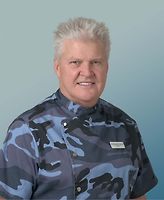
Graeme Lynam
Dental Surgeon
Ages
Adult / Pakeke, Older adult / Kaumātua
Fees and Charges Categorisation
Fees apply
Fees and Charges Description
Find payment information here
Languages Spoken
English
Services Provided
Gum tissue at the site of the implant is opened up to expose the bone. The bone is drilled and a titanium implant is inserted where the root of your tooth had been. Once the bone and gum has healed (3-6 months), the post is attached to the implant and the crown is placed over the post and cemented into place.
Gum tissue at the site of the implant is opened up to expose the bone. The bone is drilled and a titanium implant is inserted where the root of your tooth had been. Once the bone and gum has healed (3-6 months), the post is attached to the implant and the crown is placed over the post and cemented into place.
Gum tissue at the site of the implant is opened up to expose the bone. The bone is drilled and a titanium implant is inserted where the root of your tooth had been. Once the bone and gum has healed (3-6 months), the post is attached to the implant and the crown is placed over the post and cemented into place.
Arthroscopic: several small incisions (cuts) are made over the joint in front of the ear. A small telescopic instrument with a tiny camera attached (arthroscope) is inserted, allowing the surgeon a view of the joint. Small instruments can be inserted into the other cuts to free up the joint by e.g. removing adhesions and scarring, or repositioning a disc. Arthroplasty (open surgery): an incision is made in front of the ear, giving the surgeon access to reconstruct the joint by e.g. smoothing joint surfaces, repairing discs or removing diseased tissue. If a joint replacement is necessary, a second incision under the angle of the jaw may be required.
Arthroscopic: several small incisions (cuts) are made over the joint in front of the ear. A small telescopic instrument with a tiny camera attached (arthroscope) is inserted, allowing the surgeon a view of the joint. Small instruments can be inserted into the other cuts to free up the joint by e.g. removing adhesions and scarring, or repositioning a disc. Arthroplasty (open surgery): an incision is made in front of the ear, giving the surgeon access to reconstruct the joint by e.g. smoothing joint surfaces, repairing discs or removing diseased tissue. If a joint replacement is necessary, a second incision under the angle of the jaw may be required.
Arthroscopic: several small incisions (cuts) are made over the joint in front of the ear. A small telescopic instrument with a tiny camera attached (arthroscope) is inserted, allowing the surgeon a view of the joint. Small instruments can be inserted into the other cuts to free up the joint by e.g. removing adhesions and scarring, or repositioning a disc.
Arthroplasty (open surgery): an incision is made in front of the ear, giving the surgeon access to reconstruct the joint by e.g. smoothing joint surfaces, repairing discs or removing diseased tissue. If a joint replacement is necessary, a second incision under the angle of the jaw may be required.
Wisdom teeth are the third molars right at the back of your mouth. They usually appear during your late teens or early twenties. If there is not enough room in your mouth they may partially erupt through the gum or not at all. This is referred to as an impacted wisdom tooth. Due to their location wisdom teeth can be difficult to clean and are more susceptible to decay, gum disease and recurrent infections. They can cause crowding of teeth and, on rare occasions, cysts and tumours develop around them. Your dentist will advise if some or all of your wisdom teeth need to be removed. Wisdom teeth will usually only be removed if your dentist believes they will be a significant compromise to your oral health. Impacted tooth extraction Your dentist may recommend extraction if you are at significantly greater risk of infection or tooth decay. Impacted teeth may be removed by your dentist or they may refer you to an oral & maxillofacial surgeon. An incision (cut) is made in your gum and access to the impacted tooth cleared by pushing aside gum tissue and, if necessary, removing some bone. The tooth is removed whole or in pieces and the gum stitched together over the hole.
Wisdom teeth are the third molars right at the back of your mouth. They usually appear during your late teens or early twenties. If there is not enough room in your mouth they may partially erupt through the gum or not at all. This is referred to as an impacted wisdom tooth. Due to their location wisdom teeth can be difficult to clean and are more susceptible to decay, gum disease and recurrent infections. They can cause crowding of teeth and, on rare occasions, cysts and tumours develop around them. Your dentist will advise if some or all of your wisdom teeth need to be removed. Wisdom teeth will usually only be removed if your dentist believes they will be a significant compromise to your oral health. Impacted tooth extraction Your dentist may recommend extraction if you are at significantly greater risk of infection or tooth decay. Impacted teeth may be removed by your dentist or they may refer you to an oral & maxillofacial surgeon. An incision (cut) is made in your gum and access to the impacted tooth cleared by pushing aside gum tissue and, if necessary, removing some bone. The tooth is removed whole or in pieces and the gum stitched together over the hole.
Wisdom teeth are the third molars right at the back of your mouth. They usually appear during your late teens or early twenties. If there is not enough room in your mouth they may partially erupt through the gum or not at all. This is referred to as an impacted wisdom tooth.
Due to their location wisdom teeth can be difficult to clean and are more susceptible to decay, gum disease and recurrent infections. They can cause crowding of teeth and, on rare occasions, cysts and tumours develop around them.
Your dentist will advise if some or all of your wisdom teeth need to be removed. Wisdom teeth will usually only be removed if your dentist believes they will be a significant compromise to your oral health.
Impacted tooth extraction
Your dentist may recommend extraction if you are at significantly greater risk of infection or tooth decay. Impacted teeth may be removed by your dentist or they may refer you to an oral & maxillofacial surgeon.
An incision (cut) is made in your gum and access to the impacted tooth cleared by pushing aside gum tissue and, if necessary, removing some bone. The tooth is removed whole or in pieces and the gum stitched together over the hole.
Including broken bones
Including broken bones
Including broken bones
There are three large pairs of glands (parotid, sublingual and submandibular) in your mouth that produce saliva which helps break down food as part of the digestion process. Salivary gland surgery involves the removal of one or more of the salivary glands for reasons including: tumours (benign or cancerous), chronic infections or blockages, salivary stones or injuries or cysts. Care is taken to avoid damaging nearby nerves, especially those that control facial movement.
There are three large pairs of glands (parotid, sublingual and submandibular) in your mouth that produce saliva which helps break down food as part of the digestion process. Salivary gland surgery involves the removal of one or more of the salivary glands for reasons including: tumours (benign or cancerous), chronic infections or blockages, salivary stones or injuries or cysts. Care is taken to avoid damaging nearby nerves, especially those that control facial movement.
There are three large pairs of glands (parotid, sublingual and submandibular) in your mouth that produce saliva which helps break down food as part of the digestion process.
Salivary gland surgery involves the removal of one or more of the salivary glands for reasons including: tumours (benign or cancerous), chronic infections or blockages, salivary stones or injuries or cysts.
Care is taken to avoid damaging nearby nerves, especially those that control facial movement.
Visiting Hours
Visiting hours are between 9:00am and 8:30pm daily.
Patient meal times are: breakfast 7.30am, lunch 12.00 noon and dinner 6.00pm.
Refreshments
Complimentary tea, instant coffee and chilled drinking water in the patient lounge.
The Coffee Clinic cafeteria in the main foyer on the ground floor is open 7:30am to 3:30pm Monday to Friday. Outside these times drinks and snacks are available from the food carousel in the main foyer.
Meals may be purchased at the hospital while visiting - speak to a nurse or receptionist for assistance.
Parking
There is plenty of free car parking in the campus grounds.
Accommodation
There is a variety of accommodation options within a reasonable distance of the hospital campus.
Pharmacy
Find your nearest pharmacy here
Other
Grace is a non-smoking campus so please refrain from smoking in the hospital or on the grounds.
Website

Contact Details
Grace Hospital, Tauranga
Bay of Plenty
-
Phone
(07) 577 5270
Website
Due to ongoing construction projects, please use our main entrance (Gate 1).
281 Cheyne Road
Oropi
Tauranga
Bay of Plenty 3112
Street Address
281 Cheyne Road
Oropi
Tauranga
Bay of Plenty 3112
Postal Address
PO Box 2320
Tauranga 3144
Was this page helpful?
This page was last updated at 10:44AM on December 19, 2025. This information is reviewed and edited by Grace Hospital - Oral & Maxillofacial Surgery.