
Waikato > Private Hospitals & Specialists > Southern Cross Hospitals >
Southern Cross Hamilton Hospital - Paediatric Surgery
Private Surgical Service, Paediatrics
Description
Situated in a quiet, central part of Hamilton, Southern Cross Hospital has been frequently and extensively modernised. Our hospital currently has 8 fully equipped operating theatres, offering the latest technology, as well as modern day-stay facilities and 60 ensuited patient rooms for those staying overnight. Also on site, we have a purpose-built six bed intensive care unit (ICU), high dependency care and access to radiology services.
Consultants
-

Dr Askar Kukkady
Paediatric Surgeon
-
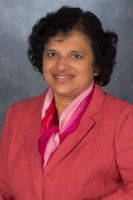
Dr Udaya Samarakkody
Paediatric Surgeon
Procedures / Treatments
Laparoscopic: several small incisions (cuts) are made in the lower right abdomen (stomach) and a narrow tube with a tiny camera attached (laparoscope) in inserted. This allows the surgeon a view of the appendix and, by inserting small surgical instruments through the other cuts, the appendix can be removed. Open: an incision is made in the lower right abdomen and the appendix removed.
Laparoscopic: several small incisions (cuts) are made in the lower right abdomen (stomach) and a narrow tube with a tiny camera attached (laparoscope) in inserted. This allows the surgeon a view of the appendix and, by inserting small surgical instruments through the other cuts, the appendix can be removed. Open: an incision is made in the lower right abdomen and the appendix removed.
Laparoscopic: several small incisions (cuts) are made in the lower right abdomen (stomach) and a narrow tube with a tiny camera attached (laparoscope) in inserted. This allows the surgeon a view of the appendix and, by inserting small surgical instruments through the other cuts, the appendix can be removed.
Open: an incision is made in the lower right abdomen and the appendix removed.
The foreskin (flap of skin that covers the tip of the penis) may be removed for cultural, religious or medical reasons.
The foreskin (flap of skin that covers the tip of the penis) may be removed for cultural, religious or medical reasons.
The foreskin (flap of skin that covers the tip of the penis) may be removed for cultural, religious or medical reasons.
A fold of tissue (frenum) that attaches to the cheek, lips and/or tongue is surgically removed.
A fold of tissue (frenum) that attaches to the cheek, lips and/or tongue is surgically removed.
A fold of tissue (frenum) that attaches to the cheek, lips and/or tongue is surgically removed.
A hydrocoele is a fluid-filled mass that forms in the scrotum. In many cases it will disappear by itself, but sometimes surgery is required to drain the fluid out.
A hydrocoele is a fluid-filled mass that forms in the scrotum. In many cases it will disappear by itself, but sometimes surgery is required to drain the fluid out.
A hydrocoele is a fluid-filled mass that forms in the scrotum. In many cases it will disappear by itself, but sometimes surgery is required to drain the fluid out.
What is an inguinal hernia? An inguinal hernia is caused by a connection between the scrotum and the abdomen (uncommonly a similar connection occurs in girls causing an inguinal hernia). The connection is present in all babies in the womb during development, but in most babies has closed over before birth. The connection allows some contents of the abdomen to pass down towards the scrotum causing a bulge in the groin. The bulge is often more noticeable when the baby cries. The bulge (or hernia) can usually be pushed back into the abdomen by gentle pressure when the baby is settled. Uncommonly the hernia cannot be pushed back (“reduced”), which can be a serious complication because the tissue trapped in the connection can become swollen and damaged. An inguinal hernia can be repaired with a simple operation. Your family doctor will have referred you to a children’s surgeon who is experienced in repairing inguinal hernias. You will be seen in a hospital out-patient clinic. When will my child be seen? The younger your child is, the sooner he will be seen by the surgeon. A baby less than a few months old will usually be seen within a week and an operation might be booked within a few days. A six month old baby may wait several weeks for a clinic appointment and the operation may be booked some weeks later. Incarcerated hernias (those which cannot be pushed back) are operated on straight away. How can I tell if the hernia is incarcerated (cannot be pushed back)? If your baby cannot be settled, and has a swelling in the groin which you cannot push back, he should be taken to a doctor as soon as possible. The doctor must be seen urgently if the hernia is swollen, red and tender. He should not be fed until he has been examined by the doctor in case he needs later surgery.
What is an inguinal hernia? An inguinal hernia is caused by a connection between the scrotum and the abdomen (uncommonly a similar connection occurs in girls causing an inguinal hernia). The connection is present in all babies in the womb during development, but in most babies has closed over before birth. The connection allows some contents of the abdomen to pass down towards the scrotum causing a bulge in the groin. The bulge is often more noticeable when the baby cries. The bulge (or hernia) can usually be pushed back into the abdomen by gentle pressure when the baby is settled. Uncommonly the hernia cannot be pushed back (“reduced”), which can be a serious complication because the tissue trapped in the connection can become swollen and damaged. An inguinal hernia can be repaired with a simple operation. Your family doctor will have referred you to a children’s surgeon who is experienced in repairing inguinal hernias. You will be seen in a hospital out-patient clinic. When will my child be seen? The younger your child is, the sooner he will be seen by the surgeon. A baby less than a few months old will usually be seen within a week and an operation might be booked within a few days. A six month old baby may wait several weeks for a clinic appointment and the operation may be booked some weeks later. Incarcerated hernias (those which cannot be pushed back) are operated on straight away. How can I tell if the hernia is incarcerated (cannot be pushed back)? If your baby cannot be settled, and has a swelling in the groin which you cannot push back, he should be taken to a doctor as soon as possible. The doctor must be seen urgently if the hernia is swollen, red and tender. He should not be fed until he has been examined by the doctor in case he needs later surgery.
A small incision (cut) is made in the groin on the side of the undescended testicle and the testicle pulled down into the scrotum. Sometimes a small cut will need to be made in the scrotum as well.
A small incision (cut) is made in the groin on the side of the undescended testicle and the testicle pulled down into the scrotum. Sometimes a small cut will need to be made in the scrotum as well.
A small incision (cut) is made in the groin on the side of the undescended testicle and the testicle pulled down into the scrotum. Sometimes a small cut will need to be made in the scrotum as well.
Shave Biopsy: the top layers of skin in the area being investigated are shaved off with a scalpel (surgical knife) for investigation under a microscope. Punch Biopsy: a small cylindrical core of tissue is taken from the area being investigated for examination under a microscope. Excision Biopsy: all of the lesion or area being investigated is cut out with a scalpel for examination under a microscope. Incision Biopsy: part of the lesion is cut out with a scalpel for examination under a microscope.
Shave Biopsy: the top layers of skin in the area being investigated are shaved off with a scalpel (surgical knife) for investigation under a microscope. Punch Biopsy: a small cylindrical core of tissue is taken from the area being investigated for examination under a microscope. Excision Biopsy: all of the lesion or area being investigated is cut out with a scalpel for examination under a microscope. Incision Biopsy: part of the lesion is cut out with a scalpel for examination under a microscope.
Shave Biopsy: the top layers of skin in the area being investigated are shaved off with a scalpel (surgical knife) for investigation under a microscope.
Punch Biopsy: a small cylindrical core of tissue is taken from the area being investigated for examination under a microscope.
Excision Biopsy: all of the lesion or area being investigated is cut out with a scalpel for examination under a microscope.
Incision Biopsy: part of the lesion is cut out with a scalpel for examination under a microscope.
Skin lesions can be divided into two groups: Benign (non-cancerous): e.g. moles, cysts, warts, tags. These may be removed to prevent spreading (warts), stop discomfort if the lesion is being irritated by clothing/jewellery or to improve appearance. Malignant (cancerous): basal cell and squamous cell carcinomas are generally slow growing and unlikely to spread to other parts of the body. Melanoma is a serious skin cancer that can spread to other parts of the body. Urgent removal is recommended. Surgery to remove skin lesions usually involves an office or outpatient visit, local anaesthesia (the area around the scar is numbed by injecting a local anaesthetic) and stitches. You may or may not have a dressing put on the wound and it is important to keep the area dry for 24 hours. Stitches may be removed in 1-2 weeks. You may need to take a few days off work after the surgery.
Skin lesions can be divided into two groups: Benign (non-cancerous): e.g. moles, cysts, warts, tags. These may be removed to prevent spreading (warts), stop discomfort if the lesion is being irritated by clothing/jewellery or to improve appearance. Malignant (cancerous): basal cell and squamous cell carcinomas are generally slow growing and unlikely to spread to other parts of the body. Melanoma is a serious skin cancer that can spread to other parts of the body. Urgent removal is recommended. Surgery to remove skin lesions usually involves an office or outpatient visit, local anaesthesia (the area around the scar is numbed by injecting a local anaesthetic) and stitches. You may or may not have a dressing put on the wound and it is important to keep the area dry for 24 hours. Stitches may be removed in 1-2 weeks. You may need to take a few days off work after the surgery.
Skin lesions can be divided into two groups:
- Benign (non-cancerous): e.g. moles, cysts, warts, tags. These may be removed to prevent spreading (warts), stop discomfort if the lesion is being irritated by clothing/jewellery or to improve appearance.
- Malignant (cancerous): basal cell and squamous cell carcinomas are generally slow growing and unlikely to spread to other parts of the body. Melanoma is a serious skin cancer that can spread to other parts of the body. Urgent removal is recommended.
Surgery to remove skin lesions usually involves an office or outpatient visit, local anaesthesia (the area around the scar is numbed by injecting a local anaesthetic) and stitches. You may or may not have a dressing put on the wound and it is important to keep the area dry for 24 hours. Stitches may be removed in 1-2 weeks. You may need to take a few days off work after the surgery.
A small cut is made in the scrotum, the cord supplying blood to the testicle is untwisted and both testes are sutured (stitched) to the scrotum to prevent another torsion.
A small cut is made in the scrotum, the cord supplying blood to the testicle is untwisted and both testes are sutured (stitched) to the scrotum to prevent another torsion.
A small cut is made in the scrotum, the cord supplying blood to the testicle is untwisted and both testes are sutured (stitched) to the scrotum to prevent another torsion.
Undescended testes occur in less than 4% of children, and are more common in premature babies. Many “undescended” testes are simply lying very high in the groin and can be brought down by hand, and some true undescended testes will come down by themselves in the first year of life. After one year, undescended testes always remain so. It is important for your GP to refer your child to a paediatric surgeon (children’s surgeon) if the testes are not felt in the scrotum. If not treated there may be problems in adult life with infertility or an increased risk of cancer of the undescended testis. A surgeon will see your child in a hospital outpatient clinic. When will my child be seen? Most children will be seen within six weeks of the referral. What will happen at the appointment? The surgeon will examine your child carefully to see if the testis can be felt in the body. If the testis can be felt, a simple operation under general anaesthetic (putting your child to sleep during the operation) would be performed between 9 and 12 months of age. If the testes cannot be felt, a different type of operation would be performed so that the surgeon can check where the testes are. In some cases, the testes are absent. Both types of surgery involve an overnight stay in hospital.
Undescended testes occur in less than 4% of children, and are more common in premature babies. Many “undescended” testes are simply lying very high in the groin and can be brought down by hand, and some true undescended testes will come down by themselves in the first year of life. After one year, undescended testes always remain so. It is important for your GP to refer your child to a paediatric surgeon (children’s surgeon) if the testes are not felt in the scrotum. If not treated there may be problems in adult life with infertility or an increased risk of cancer of the undescended testis. A surgeon will see your child in a hospital outpatient clinic. When will my child be seen? Most children will be seen within six weeks of the referral. What will happen at the appointment? The surgeon will examine your child carefully to see if the testis can be felt in the body. If the testis can be felt, a simple operation under general anaesthetic (putting your child to sleep during the operation) would be performed between 9 and 12 months of age. If the testes cannot be felt, a different type of operation would be performed so that the surgeon can check where the testes are. In some cases, the testes are absent. Both types of surgery involve an overnight stay in hospital.
Visiting Hours
Weekdays 09:00 to 13:00 & 14:30 to 20:00
Weekends 09:00 to 13:00 & 14:30 to 20:00
Public Transport
The BUSIT website provides good public transport information. See here
Parking
Over 25 parking spaces are provided for patients and visitors.
Pharmacy

Contact Details
Southern Cross Hamilton Hospital
Waikato
-
Phone
(07) 959 5700
-
Fax
(07) 959 5702
Email
Website
21 Puutikitiki Street
Hamilton East
Hamilton
Waikato 3216
Street Address
21 Puutikitiki Street
Hamilton East
Hamilton
Waikato 3216
Postal Address
PO Box 4173
Hamilton East
Hamilton 3247
Was this page helpful?
This page was last updated at 1:42PM on February 5, 2026. This information is reviewed and edited by Southern Cross Hamilton Hospital - Paediatric Surgery.