
Central Lakes, Dunedin - South Otago, Southland, Waitaki > Private Hospitals & Specialists >
Southern Heart
Private Service, Cardiology
Today
8:30 AM to 5:00 PM.
Description
Southern Heart is a cardiology practice located in Māori Hill, Dunedin.
Southern Heart provides the following diagnostic testing and procedures:
- Echocardiogram
- Exercise ECG
- Exercise Stress Echocardiogram
- Resting ECG
- 24 hour Holter monitor study
- Event monitor study
- 24 hour ambulatory blood pressure monitor
- Coronary angiography
- Transoesophageal Echocardiogram (TOE)
- Pacemaker implantation
- CT Coronary angiography
- Cardiac MRI
- Transcatheter Aortic Valve Implantation (TAVI)
What is Cardiology?
Cardiology is the specialty within medicine that looks at the heart and blood vessels. Your heart consists of 4 chambers, which are responsible for pumping blood to your lungs and then the rest of your body. The study of the heart includes the heart muscle (the myocardium), the valves within the heart between the chambers, the blood vessels that supply blood (and hence oxygen and nutrients) to the heart muscle, and the electrical system of the heart, which controls the heart rate.
Consultants
Note: Please note below that some people are not available at all locations.
-

Dr Sean Coffey
Cardiologist
Available at Marinoto Clinic, 72 Newington Ave, Dunedin, 135 Don Street, Invercargill, Queenstown Centre of Medical Excellence, 12 Twelfth Avenue, Kawarau Park, Queenstown, 1A Traders Lane, Cromwell
-
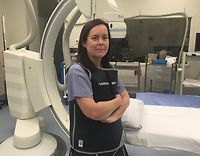
Dr Anouska Moynagh
Cardiologist
Available at Marinoto Clinic, 72 Newington Ave, Dunedin, 135 Don Street, Invercargill, Queenstown Centre of Medical Excellence, 12 Twelfth Avenue, Kawarau Park, Queenstown, 1A Traders Lane, Cromwell
-

Professor Michael Williams
Cardiologist
Available at all locations.
Ages
Youth / Rangatahi, Adult / Pakeke, Older adult / Kaumātua
How do I access this service?
Referral
Fees and Charges Categorisation
Fees apply
Fees and Charges Description
Southern Cross Health Insurance Affiliated Provider for consultations
Hours
8:30 AM to 5:00 PM.
| Mon – Fri | 8:30 AM – 5:00 PM |
|---|
Procedures / Treatments
Cardiovascular disease is a general term for any condition that affects the heart or blood vessels. Common types of cardiovascular disease include: Coronary artery disease – narrowing or blockage of the arteries that supply the heart, which can lead to chest pain or heart attack. Heart failure – when the heart can’t pump blood effectively. Arrhythmias – abnormal heart rhythms. Stroke – damage to the brain caused by blocked or burst blood vessels. Peripheral artery disease – narrowing of arteries in the legs or arms. Heart valve problems – issues with valves that control blood flow through the heart. Risk factors: High blood pressure High cholesterol Smoking Diabetes Obesity Family history of heart disease Are older (your risk increases as you get older)
Cardiovascular disease is a general term for any condition that affects the heart or blood vessels. Common types of cardiovascular disease include: Coronary artery disease – narrowing or blockage of the arteries that supply the heart, which can lead to chest pain or heart attack. Heart failure – when the heart can’t pump blood effectively. Arrhythmias – abnormal heart rhythms. Stroke – damage to the brain caused by blocked or burst blood vessels. Peripheral artery disease – narrowing of arteries in the legs or arms. Heart valve problems – issues with valves that control blood flow through the heart. Risk factors: High blood pressure High cholesterol Smoking Diabetes Obesity Family history of heart disease Are older (your risk increases as you get older)
Cardiovascular disease is a general term for any condition that affects the heart or blood vessels.
Common types of cardiovascular disease include:
- Coronary artery disease – narrowing or blockage of the arteries that supply the heart, which can lead to chest pain or heart attack.
- Heart failure – when the heart can’t pump blood effectively.
- Arrhythmias – abnormal heart rhythms.
- Stroke – damage to the brain caused by blocked or burst blood vessels.
- Peripheral artery disease – narrowing of arteries in the legs or arms.
- Heart valve problems – issues with valves that control blood flow through the heart.
Risk factors:
- High blood pressure
- High cholesterol
- Smoking
- Diabetes
- Obesity
- Family history of heart disease
- Are older (your risk increases as you get older)
Heart failure refers to the heart failing to pump efficiently. There are many diseases that cause this including cardiovascular disease, high blood pressure, viral infections, alcohol, and diseases affecting the valves of the heart. When the heart is inefficient a number of symptoms occur depending on the cause and severity of the condition. The main symptoms are tiredness, breathlessness on exertion or lying flat, and ankle swelling. Doctors often refer to oedema, which means fluid retention usually in your feet or lungs as a result of the heart not pumping efficiently. Tests looking for possible causes of heart failure include: Chest x-ray, Electrocardiogram (ECG), Echocardiogram (Cardiac ultrasound), Angiogram. You are likely to be given several medications over time, started and monitored by your cardiologist and GP. These include medication to control the amount of fluid that builds up (diuretics), medication to protect your heart and slow it down as well as to thin your blood. You will often be referred to a dietitian or given advice about restricting the amount of fluid and salt you take as this can contribute to symptoms.
Heart failure refers to the heart failing to pump efficiently. There are many diseases that cause this including cardiovascular disease, high blood pressure, viral infections, alcohol, and diseases affecting the valves of the heart. When the heart is inefficient a number of symptoms occur depending on the cause and severity of the condition. The main symptoms are tiredness, breathlessness on exertion or lying flat, and ankle swelling. Doctors often refer to oedema, which means fluid retention usually in your feet or lungs as a result of the heart not pumping efficiently. Tests looking for possible causes of heart failure include: Chest x-ray, Electrocardiogram (ECG), Echocardiogram (Cardiac ultrasound), Angiogram. You are likely to be given several medications over time, started and monitored by your cardiologist and GP. These include medication to control the amount of fluid that builds up (diuretics), medication to protect your heart and slow it down as well as to thin your blood. You will often be referred to a dietitian or given advice about restricting the amount of fluid and salt you take as this can contribute to symptoms.
Heart failure refers to the heart failing to pump efficiently. There are many diseases that cause this including cardiovascular disease, high blood pressure, viral infections, alcohol, and diseases affecting the valves of the heart. When the heart is inefficient a number of symptoms occur depending on the cause and severity of the condition. The main symptoms are tiredness, breathlessness on exertion or lying flat, and ankle swelling. Doctors often refer to oedema, which means fluid retention usually in your feet or lungs as a result of the heart not pumping efficiently.
Tests looking for possible causes of heart failure include: Chest x-ray, Electrocardiogram (ECG), Echocardiogram (Cardiac ultrasound), Angiogram.
You are likely to be given several medications over time, started and monitored by your cardiologist and GP. These include medication to control the amount of fluid that builds up (diuretics), medication to protect your heart and slow it down as well as to thin your blood. You will often be referred to a dietitian or given advice about restricting the amount of fluid and salt you take as this can contribute to symptoms.
Heart rhythm refers to the electrical source that is driving the heart rate and whether or not it is regular or irregular. Heart rhythm can be affected by a number of conditions. Some common terms Sinus rhythm is the normal rhythm Arrhythmia means abnormal rhythm Fibrillation means irregular rhythm or quivering of one part of the heart Bradycardia means slow heart rate Tachycardia means fast heart rate Paroxysmal means the arrhythmia comes and goes Tachycardia The most common form of this is atrial fibrillation. This is where the heart rhythm is irregular and often too fast. Symptoms include fatigue, palpitations (where you are aware of your heart racing or pounding), dizziness and breathlessness. Other tachycardias include supraventricular tachycardia (SVT) or ventricular tachycardia (VT). These have similar symptoms as atrial fibrillation but can also cause you to lose consciousness (faint). Bradycardia The most common form of this is called heart block. This is because messages from the electrical generator of the heart don't get through efficiently to the rest of the heart and hence it goes very slowly or can pause. Symptoms of the heart going too slowly include feeling tired, breathless or fainting. Tests Tests to diagnose what sort of arrhythmia you have include an electrocardiogram (ECG) and an ambulatory ECG (Holter monitor or Event recorder). Treatment Most treatments for tachycardias consist of medication to stop the abnormal rhythm or make it slower if and when it occurs. Atrial fibrillation, if you have other problems, can increase your risk of stroke so blood-thinning medication is often used as well. If you have bradycardia, you may be referred to the surgeons for a pacemaker. This is a small operation where a battery powered device is placed under the skin with wires that lead to your heart and provide it with electrical stimulation to prevent it from going too slowly. You can't feel it doing this but will be aware of a small flat lump under your skin just below your collar bone.
Heart rhythm refers to the electrical source that is driving the heart rate and whether or not it is regular or irregular. Heart rhythm can be affected by a number of conditions. Some common terms Sinus rhythm is the normal rhythm Arrhythmia means abnormal rhythm Fibrillation means irregular rhythm or quivering of one part of the heart Bradycardia means slow heart rate Tachycardia means fast heart rate Paroxysmal means the arrhythmia comes and goes Tachycardia The most common form of this is atrial fibrillation. This is where the heart rhythm is irregular and often too fast. Symptoms include fatigue, palpitations (where you are aware of your heart racing or pounding), dizziness and breathlessness. Other tachycardias include supraventricular tachycardia (SVT) or ventricular tachycardia (VT). These have similar symptoms as atrial fibrillation but can also cause you to lose consciousness (faint). Bradycardia The most common form of this is called heart block. This is because messages from the electrical generator of the heart don't get through efficiently to the rest of the heart and hence it goes very slowly or can pause. Symptoms of the heart going too slowly include feeling tired, breathless or fainting. Tests Tests to diagnose what sort of arrhythmia you have include an electrocardiogram (ECG) and an ambulatory ECG (Holter monitor or Event recorder). Treatment Most treatments for tachycardias consist of medication to stop the abnormal rhythm or make it slower if and when it occurs. Atrial fibrillation, if you have other problems, can increase your risk of stroke so blood-thinning medication is often used as well. If you have bradycardia, you may be referred to the surgeons for a pacemaker. This is a small operation where a battery powered device is placed under the skin with wires that lead to your heart and provide it with electrical stimulation to prevent it from going too slowly. You can't feel it doing this but will be aware of a small flat lump under your skin just below your collar bone.
Heart rhythm refers to the electrical source that is driving the heart rate and whether or not it is regular or irregular. Heart rhythm can be affected by a number of conditions.
Some common terms
- Sinus rhythm is the normal rhythm
- Arrhythmia means abnormal rhythm
- Fibrillation means irregular rhythm or quivering of one part of the heart
- Bradycardia means slow heart rate
- Tachycardia means fast heart rate
- Paroxysmal means the arrhythmia comes and goes
Tachycardia
The most common form of this is atrial fibrillation. This is where the heart rhythm is irregular and often too fast. Symptoms include fatigue, palpitations (where you are aware of your heart racing or
pounding), dizziness and breathlessness.
Other tachycardias include supraventricular tachycardia (SVT) or ventricular tachycardia (VT). These have similar symptoms as atrial fibrillation but can also cause you to lose consciousness (faint).
Bradycardia
The most common form of this is called heart block. This is because messages from the electrical generator of the heart don't get through efficiently to the rest of the heart and hence it goes very slowly or can pause. Symptoms of the heart going too slowly include feeling tired, breathless or fainting.
Tests
Tests to diagnose what sort of arrhythmia you have include an electrocardiogram (ECG) and an ambulatory ECG (Holter monitor or Event recorder).
Treatment
Most treatments for tachycardias consist of medication to stop the abnormal rhythm or make it slower if and when it occurs. Atrial fibrillation, if you have other problems, can increase your risk of stroke so blood-thinning medication is often used as well.
If you have bradycardia, you may be referred to the surgeons for a pacemaker. This is a small operation where a battery powered device is placed under the skin with wires that lead to your heart and provide it with electrical stimulation to prevent it from going too slowly. You can't feel it doing this but will be aware of a small flat lump under your skin just below your collar bone.
Your heart consists of four chambers that receive and send blood to the lungs and body. Disorders affecting valves can either cause stenosis (a narrowing) or regurgitation (leakage after the valve has closed). Depending on what valve is involved and how severe the damage is it may result in symptoms of heart failure, as it makes the heart pump inefficiently. Suspicion of a heart valve problem is usually picked up by your doctor when they listen to your heart and hear a murmur. A murmur is heard with the stethoscope and is turbulence of blood flow that occurs through a narrowed or leaky valve. Not all heart murmurs mean serious problems but are best investigated further. The echocardiogram is the main test to diagnose what valve is involved and how severe it is. Treatment depends on the type and severity of the valve lesion. You may simply be monitored over years to see if anything changes. Some conditions require medication to thin the blood or treat any complicating heart problems. You may be referred to a heart surgeon for consideration of a valve replacement or dilatation of a narrowed valve.
Your heart consists of four chambers that receive and send blood to the lungs and body. Disorders affecting valves can either cause stenosis (a narrowing) or regurgitation (leakage after the valve has closed). Depending on what valve is involved and how severe the damage is it may result in symptoms of heart failure, as it makes the heart pump inefficiently. Suspicion of a heart valve problem is usually picked up by your doctor when they listen to your heart and hear a murmur. A murmur is heard with the stethoscope and is turbulence of blood flow that occurs through a narrowed or leaky valve. Not all heart murmurs mean serious problems but are best investigated further. The echocardiogram is the main test to diagnose what valve is involved and how severe it is. Treatment depends on the type and severity of the valve lesion. You may simply be monitored over years to see if anything changes. Some conditions require medication to thin the blood or treat any complicating heart problems. You may be referred to a heart surgeon for consideration of a valve replacement or dilatation of a narrowed valve.
Your heart consists of four chambers that receive and send blood to the lungs and body.
Disorders affecting valves can either cause stenosis (a narrowing) or regurgitation (leakage after the valve has closed). Depending on what valve is involved and how severe the damage is it may result in symptoms of heart failure, as it makes the heart pump inefficiently.
Suspicion of a heart valve problem is usually picked up by your doctor when they listen to your heart and hear a murmur. A murmur is heard with the stethoscope and is turbulence of blood flow that occurs through a narrowed or leaky valve. Not all heart murmurs mean serious problems but are best investigated further.
The echocardiogram is the main test to diagnose what valve is involved and how severe it is.
Treatment depends on the type and severity of the valve lesion. You may simply be monitored over years to see if anything changes. Some conditions require medication to thin the blood or treat any complicating heart problems. You may be referred to a heart surgeon for consideration of a valve replacement or dilatation of a narrowed valve.
Disability Assistance
Wheelchair access, Wheelchair accessible toilet, Mobility parking space
Parking
Free patient parking is provided at all of our sites.
Pharmacy
Website
Contact Details
135 Don Street, Invercargill
Southland
8:30 AM to 5:00 PM.
-
Phone
(03) 467 6174
Healthlink EDI
sthn72ht
Email
Website
Southern Ultrasound Rooms, 135 Don Street
Richmond
Invercargill City
Southland 9810
Street Address
Southern Ultrasound Rooms, 135 Don Street
Richmond
Invercargill City
Southland 9810
Marinoto Clinic, 72 Newington Ave, Dunedin
Dunedin - South Otago
8:30 AM to 5:00 PM.
-
Phone
(03) 467 6174
Healthlink EDI
sthn72ht
Email
Website
Gore Hospital
Southland
8:30 AM to 5:00 PM.
-
Phone
(03) 467 6174
Healthlink EDI
sthn72ht
Email
Website
Queenstown Centre of Medical Excellence, 12 Twelfth Avenue, Kawarau Park, Queenstown
Central Lakes
8:30 AM to 5:00 PM.
-
Phone
(03) 467 6174
Healthlink EDI
sthn72ht
Email
Website
1A Traders Lane, Cromwell
Central Lakes
8:30 AM to 5:00 PM.
-
Phone
(03) 467 6174
Healthlink EDI
sthn72ht
Email
Website
Was this page helpful?
This page was last updated at 10:04AM on May 13, 2025. This information is reviewed and edited by Southern Heart.