
Canterbury > Private Hospitals & Specialists >
Southern Endoscopy Centre
Private Service, Endoscopy (Gastroenterology), Gastroenterology, General Surgery
Today
Description
Southern Endoscopy Centre provides a wide range of endoscopy services from our purpose-built, state-of-the-art facility located in central Christchurch. It is a Joint Venture partnership between Southern Cross Healthcare and over 30 participating specialists and is the largest specialist endoscopy centre in Te Waipounamu, the South Island.
We have three dedicated procedure rooms, each incorporating the latest technology including artificial intelligence for enhanced polyp detection.
We genuinely care about your endoscopy experience, and our team will endeavour to provide the best possible care and treatment.
Appointments are made directly with our specialists through their private practices. Find these details in the table below.
| Barclay Gastroenterology | Professor Murray Barclay | |
| Christchurch Colorectal Group | Dr Sarah Abbott | Professor Tim Eglinton |
| Professor Frank Frizelle | Mr John Frye | |
| Ms Tamara Glyn | Mr Matthew Leeman | |
| Mr Rukshan Ranjan | Mr Simon Richards | |
| Mr Prashant Sharma | Dr Rebecca Shine | |
| Mr Richard Tapper | Mr Chris Wakeman | |
| Mr Greg Turner | ||
| Christchurch Gastroenterology | Dr Steven L Ding | |
| Christchurch Surgical Associates | Dr Michael Burt | Mr Grant Coulter |
| Mr Richard Flint | Mr Todd Hore | |
| Mr Steven Kelly | Mr James McKay | |
| Mr Greg Robertson | ||
| Gastroenterology & Endoscopy Specialists | Dr Malcolm Arnold | Dr Teresa Chalmers-Watson |
| Professor Richard Gearry | Dr Jan Kubovy | |
| Dr Mehul Lamba | Dr Gary Lim | |
| Dr Jeffrey Jing Hieng Ngu | Professor Catherine Stedman | |
| Dr Vivek Tharayil | ||
| The Endoscopy Clinic | Mr Ross Roberts |
Staff
Southern Endoscopy Centre’s internationally trained Gastroenterologists and General Surgeons are expertly supported by a team of highly skilled and experienced endoscopy nurses, anaesthetic and reprocessing technicians, and administrative staff.
Consultants
-
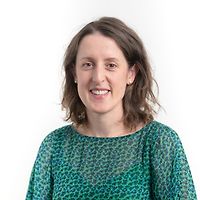
Dr Sarah Abbott
Colorectal & General Surgeon
-

Dr Malcolm Arnold
Gastroenterologist
-
Prof Murray Barclay
Gastroenterologist
-
Mr Michael Burt
Gastroenterologist
-
Dr Teresa Chalmers-Watson
Gastroenterologist
-
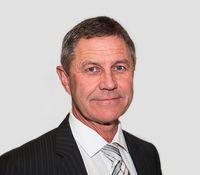
Mr Grant Coulter
Endoscopic & General Surgeon
-
Dr Steven Ding
Gastroenterologist
-
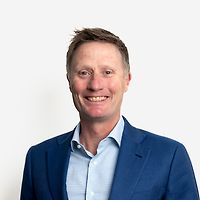
Prof Tim Eglinton
Colorectal & General Surgeon
-
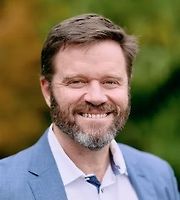
Mr Richard Flint
Endoscopic & General Surgeon
-
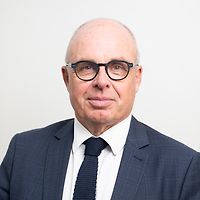
Prof Frank Frizelle
Colorectal Surgeon
-
Mr John Frye
Colorectal & General Surgeon
-
Prof Richard Gearry
Gastroenterologist
-
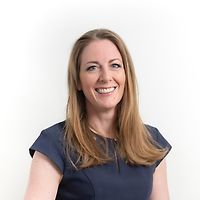
Dr Tamara Glyn
Colorectal & General Surgeon
-
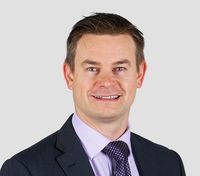
Mr Todd Hore
General & Hepatopancreatobiliary Surgeon
-
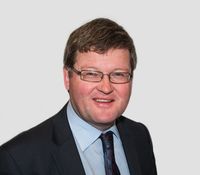
Mr Steven Kelly
General Surgeon
-
Dr Jan Kubovy
Gastroenterologist
-
Dr Mehul Lamba
Gastroenterologist
-
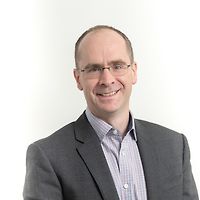
Mr Matthew Leeman
Endoscopic & General Surgeon
-
Dr Gary Lim
Gastroenterologist
-
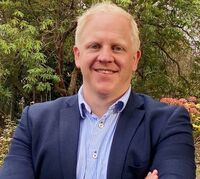
Mr James Mckay
General, Laparoscopic & Endoscopic Surgeon
-
Dr Jeffrey Ngu
Gastroenterologist
-
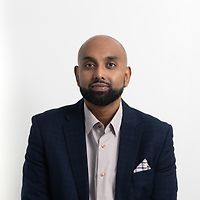
Mr Rukshan Ranjan
Endoscopic & General Surgeon
-

Mr Simon Richards
Colorectal & General Surgeon
-
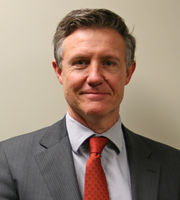
Mr Ross Roberts
General Surgeon
-
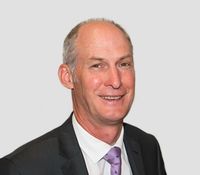
Mr Greg Robertson
General & Colorectal Surgeon
-
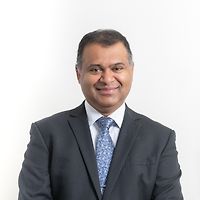
Mr Prashant Sharma
Colorectal & General Surgeon
-
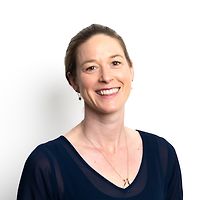
Dr Rebecca Shine
Colorectal & General Surgeon
-
Prof Catherine Stedman
Gastroenterologist
-
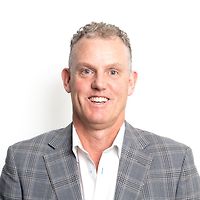
Mr Richard Tapper
Colorectal & General Surgeon
-
Dr Vivek Tharayil
Gastroenterologist
-
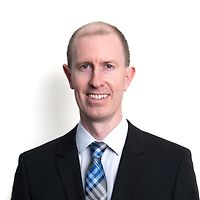
Mr Greg Turner
General Surgeon
-
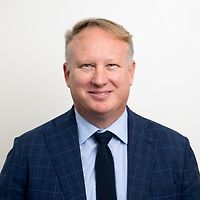
Mr Chris Wakeman
Colorectal & General Surgeon
Ages
Child / Tamariki, Youth / Rangatahi, Adult / Pakeke, Older adult / Kaumātua
How do I access this service?
Contact us
Make an appointment
Endoscopy appointments are made directly with any one of the specialists (Gastroenterologists or General Surgeons) at their specialist practices. If you don’t have a specific specialist in mind please select the ‘any Specialist, next available appointment’ option or, if you would prefer, Southern Endoscopy Centre will allocate you to the specialist with the next available appointment.
Referral
Your GP can refer you to any of our specialists for a colonoscopy or gastroscopy.
Self referrals to the specialist are also welcome.
Referral Expectations
Click on the following link to find information about what will happen before, and on the day of, your procedure.
Fees and Charges Categorisation
Fees apply
Fees and Charges Description
Depending on your symptoms and your health insurance policy, your procedure may be covered by health insurance. However, if you are not covered, or do not have health insurance you are able to self fund your procedure. Please contact our specialists for an estimate.
Hours
| Mon – Fri | 7:00 AM – 8:00 PM |
|---|
Open every second Saturday for procedures.
Services Provided
Colonoscopy is the examination of your colon (large bowel) using a colonoscope (long, flexible tube with a camera on the end). The colonoscope is passed into your rectum (bottom) and then moved slowly along the entire colon, while images from the camera are displayed on a television monitor. The procedure takes from 10 minutes to an hour. Sometimes a small tissue sample (biopsy) will need to be taken during the procedure for later examination at a laboratory. A colonoscopy may help diagnose conditions such as polyps (small growths of tissue projecting into the bowel), tumours, ulcerative colitis (inflammation of the colon) and diverticulitis (inflammation of sacs that form on the walls of the colon). Colonoscopy may also be used to remove polyps in the colon. Risks of a colonoscopy are rare but include: bleeding if a biopsy is performed; allergic reaction to the sedative; perforation (tearing) of the bowel wall. What to expect It is important that the bowel is completely empty before the procedure takes place. This means that you will only be able to have liquids on the day before, and will probably have to take some oral laxative medication (to make you go to the toilet more). When you are ready for the procedure, you will be given medication (a sedative) to make you go into a light sleep. This will be given by an injection into a vein in your arm or hand. The colonoscopy will usually take 15 – 30 minutes, but you will probably sleep for another 30 minutes. Because you have been sedated (given medication to make you sleep) it is important that you arrange for someone else to drive you home. Some patients may experience discomfort after the procedure, due to air remaining in the colon.
Colonoscopy is the examination of your colon (large bowel) using a colonoscope (long, flexible tube with a camera on the end). The colonoscope is passed into your rectum (bottom) and then moved slowly along the entire colon, while images from the camera are displayed on a television monitor. The procedure takes from 10 minutes to an hour. Sometimes a small tissue sample (biopsy) will need to be taken during the procedure for later examination at a laboratory. A colonoscopy may help diagnose conditions such as polyps (small growths of tissue projecting into the bowel), tumours, ulcerative colitis (inflammation of the colon) and diverticulitis (inflammation of sacs that form on the walls of the colon). Colonoscopy may also be used to remove polyps in the colon. Risks of a colonoscopy are rare but include: bleeding if a biopsy is performed; allergic reaction to the sedative; perforation (tearing) of the bowel wall. What to expect It is important that the bowel is completely empty before the procedure takes place. This means that you will only be able to have liquids on the day before, and will probably have to take some oral laxative medication (to make you go to the toilet more). When you are ready for the procedure, you will be given medication (a sedative) to make you go into a light sleep. This will be given by an injection into a vein in your arm or hand. The colonoscopy will usually take 15 – 30 minutes, but you will probably sleep for another 30 minutes. Because you have been sedated (given medication to make you sleep) it is important that you arrange for someone else to drive you home. Some patients may experience discomfort after the procedure, due to air remaining in the colon.
Colonoscopy is the examination of your colon (large bowel) using a colonoscope (long, flexible tube with a camera on the end). The colonoscope is passed into your rectum (bottom) and then moved slowly along the entire colon, while images from the camera are displayed on a television monitor.
The procedure takes from 10 minutes to an hour. Sometimes a small tissue sample (biopsy) will need to be taken during the procedure for later examination at a laboratory.
A colonoscopy may help diagnose conditions such as polyps (small growths of tissue projecting into the bowel), tumours, ulcerative colitis (inflammation of the colon) and diverticulitis (inflammation of sacs that form on the walls of the colon).
Colonoscopy may also be used to remove polyps in the colon.
Risks of a colonoscopy are rare but include: bleeding if a biopsy is performed; allergic reaction to the sedative; perforation (tearing) of the bowel wall.
What to expect
It is important that the bowel is completely empty before the procedure takes place. This means that you will only be able to have liquids on the day before, and will probably have to take some oral laxative medication (to make you go to the toilet more).
When you are ready for the procedure, you will be given medication (a sedative) to make you go into a light sleep. This will be given by an injection into a vein in your arm or hand.
The colonoscopy will usually take 15 – 30 minutes, but you will probably sleep for another 30 minutes. Because you have been sedated (given medication to make you sleep) it is important that you arrange for someone else to drive you home.
Some patients may experience discomfort after the procedure, due to air remaining in the colon.
Gastroscopy allows examination of the upper part of your digestive tract i.e. oesophagus (food pipe), stomach and duodenum (top section of the small intestine), by passing a gastroscope (long, flexible tube with a camera on the end) through your mouth and down your digestive tract. Images from the camera are displayed on a television monitor. Sometimes a small tissue sample (biopsy) will need to be taken during the procedure for later examination at a laboratory. Gastroscopy may be used to diagnose peptic ulcers, tumours, gastritis etc. Complications from this procedure are very rare but can occur. They include: bleeding if a biopsy is performed; allergic reaction to the sedative or throat spray; perforation (tearing) of the stomach with the instrument (this is a serious but extremely rare complication). What to expect All endoscopic procedures are viewed as a surgical procedure and generally the same preparation will apply. You will not be able to eat or drink anything for 6 hours before your gastroscopy. When you are ready for the procedure, the back of your throat will be sprayed with anaesthetic. You will also be offered medication (a sedative) to make you go into a light sleep. This will be given by an injection into a vein in your arm or hand. The gastroscopy will take approximately 15 minutes, but you will probably sleep for another 30 minutes. You will spend some time in a recovery unit (probably 1-2 hours) to sleep off the sedative and to allow staff to monitor you (take blood pressure readings etc). Because you have been sedated (given medication to make you sleep) it is important that you arrange for someone else to drive you home. If biopsies are taken for examination, your GP will be sent the results within 2-3 weeks.
Gastroscopy allows examination of the upper part of your digestive tract i.e. oesophagus (food pipe), stomach and duodenum (top section of the small intestine), by passing a gastroscope (long, flexible tube with a camera on the end) through your mouth and down your digestive tract. Images from the camera are displayed on a television monitor. Sometimes a small tissue sample (biopsy) will need to be taken during the procedure for later examination at a laboratory. Gastroscopy may be used to diagnose peptic ulcers, tumours, gastritis etc. Complications from this procedure are very rare but can occur. They include: bleeding if a biopsy is performed; allergic reaction to the sedative or throat spray; perforation (tearing) of the stomach with the instrument (this is a serious but extremely rare complication). What to expect All endoscopic procedures are viewed as a surgical procedure and generally the same preparation will apply. You will not be able to eat or drink anything for 6 hours before your gastroscopy. When you are ready for the procedure, the back of your throat will be sprayed with anaesthetic. You will also be offered medication (a sedative) to make you go into a light sleep. This will be given by an injection into a vein in your arm or hand. The gastroscopy will take approximately 15 minutes, but you will probably sleep for another 30 minutes. You will spend some time in a recovery unit (probably 1-2 hours) to sleep off the sedative and to allow staff to monitor you (take blood pressure readings etc). Because you have been sedated (given medication to make you sleep) it is important that you arrange for someone else to drive you home. If biopsies are taken for examination, your GP will be sent the results within 2-3 weeks.
Gastroscopy allows examination of the upper part of your digestive tract i.e. oesophagus (food pipe), stomach and duodenum (top section of the small intestine), by passing a gastroscope (long, flexible tube with a camera on the end) through your mouth and down your digestive tract. Images from the camera are displayed on a television monitor. Sometimes a small tissue sample (biopsy) will need to be taken during the procedure for later examination at a laboratory.
Gastroscopy may be used to diagnose peptic ulcers, tumours, gastritis etc.
Complications from this procedure are very rare but can occur. They include: bleeding if a biopsy is performed; allergic reaction to the sedative or throat spray; perforation (tearing) of the stomach with the instrument (this is a serious but extremely rare complication).
What to expect
All endoscopic procedures are viewed as a surgical procedure and generally the same preparation will apply. You will not be able to eat or drink anything for 6 hours before your gastroscopy. When you are ready for the procedure, the back of your throat will be sprayed with anaesthetic. You will also be offered medication (a sedative) to make you go into a light sleep. This will be given by an injection into a vein in your arm or hand.
The gastroscopy will take approximately 15 minutes, but you will probably sleep for another 30 minutes. You will spend some time in a recovery unit (probably 1-2 hours) to sleep off the sedative and to allow staff to monitor you (take blood pressure readings etc). Because you have been sedated (given medication to make you sleep) it is important that you arrange for someone else to drive you home.
If biopsies are taken for examination, your GP will be sent the results within 2-3 weeks.
A long, narrow tube with a tiny camera attached (sigmoidoscope) is inserted into your anus and moved through your lower large intestine (bowel). This allows the surgeon a view of the lining of the lower large intestine (sigmoid colon). If necessary, a biopsy (small piece of tissue) may be taken for examination in the laboratory.
A long, narrow tube with a tiny camera attached (sigmoidoscope) is inserted into your anus and moved through your lower large intestine (bowel). This allows the surgeon a view of the lining of the lower large intestine (sigmoid colon). If necessary, a biopsy (small piece of tissue) may be taken for examination in the laboratory.
A long, narrow tube with a tiny camera attached (sigmoidoscope) is inserted into your anus and moved through your lower large intestine (bowel). This allows the surgeon a view of the lining of the lower large intestine (sigmoid colon). If necessary, a biopsy (small piece of tissue) may be taken for examination in the laboratory.
EMR is a procedure used to remove large, abnormal polyps using highly specialised equipment and techniques.
EMR is a procedure used to remove large, abnormal polyps using highly specialised equipment and techniques.
EMR is a procedure used to remove large, abnormal polyps using highly specialised equipment and techniques.
Haemorrhoids are a condition where the veins under the lining of the anus are congested and enlarged. Less severe haemorrhoids can be managed with simple treatments such as injection or banding which can be performed in the clinic while larger ones will require surgery.
Haemorrhoids are a condition where the veins under the lining of the anus are congested and enlarged. Less severe haemorrhoids can be managed with simple treatments such as injection or banding which can be performed in the clinic while larger ones will require surgery.
Haemorrhoids are a condition where the veins under the lining of the anus are congested and enlarged. Less severe haemorrhoids can be managed with simple treatments such as injection or banding which can be performed in the clinic while larger ones will require surgery.
POEM is a procedure used to treat swallowing disorders caused by muscle problems including spasms in the oesophagus.
POEM is a procedure used to treat swallowing disorders caused by muscle problems including spasms in the oesophagus.
POEM is a procedure used to treat swallowing disorders caused by muscle problems including spasms in the oesophagus.
APC is a procedure used to treat abnormal bleeding in the GI tract.
APC is a procedure used to treat abnormal bleeding in the GI tract.
APC is a procedure used to treat abnormal bleeding in the GI tract.
Halo is a procedure used to destroy abnormal tissue in the lining of the oesophagus using heat. Heat is only directed at the abnormal tissue and healthy tissue remains unharmed.
Halo is a procedure used to destroy abnormal tissue in the lining of the oesophagus using heat. Heat is only directed at the abnormal tissue and healthy tissue remains unharmed.
Service types: Gastroscopy.
Halo is a procedure used to destroy abnormal tissue in the lining of the oesophagus using heat. Heat is only directed at the abnormal tissue and healthy tissue remains unharmed.
Our experienced Nursing staff are able to provide iron, infliximab and other infusions as prescribed by your specialist.
Our experienced Nursing staff are able to provide iron, infliximab and other infusions as prescribed by your specialist.
Our experienced Nursing staff are able to provide iron, infliximab and other infusions as prescribed by your specialist.
A flexible tube with a tiny video camera attached (endoscope) is inserted through the mouth into the stomach and small intestine while you are under sedation (you have been given medication to make you drowsy). A smaller tube is then moved through the first tube into the bile duct (the tube that connects your gallbladder and liver to your intestines) through which dye is injected and an x-ray is taken to visualise the ducts. Problems in the bile and pancreatic ducts can be found and treated with this procedure.
A flexible tube with a tiny video camera attached (endoscope) is inserted through the mouth into the stomach and small intestine while you are under sedation (you have been given medication to make you drowsy). A smaller tube is then moved through the first tube into the bile duct (the tube that connects your gallbladder and liver to your intestines) through which dye is injected and an x-ray is taken to visualise the ducts. Problems in the bile and pancreatic ducts can be found and treated with this procedure.
A flexible tube with a tiny video camera attached (endoscope) is inserted through the mouth into the stomach and small intestine while you are under sedation (you have been given medication to make you drowsy). A smaller tube is then moved through the first tube into the bile duct (the tube that connects your gallbladder and liver to your intestines) through which dye is injected and an x-ray is taken to visualise the ducts. Problems in the bile and pancreatic ducts can be found and treated with this procedure.
Disability Assistance
Mobility parking space, Wheelchair access, Wheelchair accessible toilet
Parking
Free patient parking is provided
Pharmacy
Find your nearest pharmacy here
Website

Contact Details
-
Phone
(03) 968 9800
Email
Website
Please note: endoscopy appointments are made directly with our specialists. See the table for these details.
1st Floor, 21 Caledonian Road
Saint Albans
Christchurch
Canterbury 8013
Street Address
1st Floor, 21 Caledonian Road
Saint Albans
Christchurch
Canterbury 8013
Postal Address
PO Box 21 228
Christchurch 8143
Was this page helpful?
This page was last updated at 9:51AM on May 1, 2025. This information is reviewed and edited by Southern Endoscopy Centre.