
Lakes, Waikato, Bay of Plenty > Private Hospitals & Specialists >
Charles Richardson - Gastroenterologist
Private Service, Gastroenterology, Hepatology
Description
I am originally from South Wales and competed my undergraduate medical training at the University of Birmingham, UK in 1989. I entered advanced training in gastroenterology in 1994 and completed this in 2002. Along the way I was awarded an MD for laboratory based research into the cause of ulcerative colitis. I emigrated to NZ in 2002 and after a brief stint at the North Shore hospital have worked as a gastroenterologist at Rotorua hospital. I have many years of experience in all aspects of gastroenterology and hepatology. I am a fully trained in diagnostic and therapeutic endoscopy. The one thing I enjoy above all others is spending time with patients, trying to explain the underlying cause of their symptoms to help them understand what we can and cannot do to alleviate them.
I have a weekly clinic at Kuirau surgical centre, Rotorua. I have a fortnightly clinic at the MacMurray Centre, Tauranga alternating with a fortnightly clinic at the MacMurray Centre, Cambridge. I perform a weekly endoscopy list at the MacMurray centre in which I am working.
Consultants
-
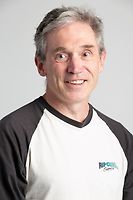
Dr Charles Richardson
Gastroenterologist
Ages
Adult / Pakeke, Older adult / Kaumātua
How do I access this service?
Referral
Contact us
Whilst the majority of patients seen have been referred by their general practitioners, self referrals are accepted also.
Referral Expectations
Your GP will make a referral if you have symptoms or investigation results that require a specialist opinion regarding their diagnosis and treatment. For self referrals it would be useful if you bring the result of previous investigations with you.
At the appointment a thorough assessment of your clinical condition will be made and a plan of investigation and treatment discussed.
Fees and Charges Categorisation
Fees apply
Fees and Charges Description
Charles is a Southern Cross Affiliated Provider for selected services and is an nib Health Partner.
Hours
Kuirau Surgical Centre, 1239 Ranolf Street, Rotorua
Dr Richardson runs a weekly clinic at Kuirau Surgical Centre.
Languages Spoken
English
Services Provided
Breath testing is a simple, non-invasive way to check for problems in the digestive system. After drinking a special liquid, a patient breathes into a bag or machine at different times. The test measures gases like hydrogen or methane in the breath, which are made by bacteria in the gut. It helps doctors diagnose conditions like small intestinal bacterial overgrowth (SIBO), lactose intolerance, or how well the body digests certain sugars.
Breath testing is a simple, non-invasive way to check for problems in the digestive system. After drinking a special liquid, a patient breathes into a bag or machine at different times. The test measures gases like hydrogen or methane in the breath, which are made by bacteria in the gut. It helps doctors diagnose conditions like small intestinal bacterial overgrowth (SIBO), lactose intolerance, or how well the body digests certain sugars.
Breath testing is a simple, non-invasive way to check for problems in the digestive system. After drinking a special liquid, a patient breathes into a bag or machine at different times. The test measures gases like hydrogen or methane in the breath, which are made by bacteria in the gut. It helps doctors diagnose conditions like small intestinal bacterial overgrowth (SIBO), lactose intolerance, or how well the body digests certain sugars.
A PillCam is a small, capsule-shaped device with a built-in camera that patients swallow. As it moves through the digestive system, it takes thousands of pictures, helping doctors examine areas like the small intestine without the need for surgery. The images are sent to a recorder worn by the patient for approximately 8 hours and the device passes out of the body naturally in a bowel movement.
A PillCam is a small, capsule-shaped device with a built-in camera that patients swallow. As it moves through the digestive system, it takes thousands of pictures, helping doctors examine areas like the small intestine without the need for surgery. The images are sent to a recorder worn by the patient for approximately 8 hours and the device passes out of the body naturally in a bowel movement.
A PillCam is a small, capsule-shaped device with a built-in camera that patients swallow. As it moves through the digestive system, it takes thousands of pictures, helping doctors examine areas like the small intestine without the need for surgery. The images are sent to a recorder worn by the patient for approximately 8 hours and the device passes out of the body naturally in a bowel movement.
Coeliac disease is a condition caused by an allergy to gluten, a protein found in foods containing wheat, barley or rye. When someone with coeliac disease eats gluten, it damages the lining of their small intestine, making it harder for their body to absorb nutrients properly. This can cause symptoms like stomach pain, tiredness, diarrhoea, or skin rashes. The main treatment is following a strict gluten-free diet.
Coeliac disease is a condition caused by an allergy to gluten, a protein found in foods containing wheat, barley or rye. When someone with coeliac disease eats gluten, it damages the lining of their small intestine, making it harder for their body to absorb nutrients properly. This can cause symptoms like stomach pain, tiredness, diarrhoea, or skin rashes. The main treatment is following a strict gluten-free diet.
Coeliac disease is a condition caused by an allergy to gluten, a protein found in foods containing wheat, barley or rye. When someone with coeliac disease eats gluten, it damages the lining of their small intestine, making it harder for their body to absorb nutrients properly. This can cause symptoms like stomach pain, tiredness, diarrhoea, or skin rashes. The main treatment is following a strict gluten-free diet.
Colonoscopy is the examination of your colon (large bowel) using a colonoscope (long, flexible tube with a camera on the end). The colonoscope is passed into your rectum (bottom) and then moved slowly along the entire colon, while images from the camera are displayed on a television monitor. The procedure takes from 10 minutes to an hour. Sometimes a small tissue sample (biopsy) will need to be taken during the procedure for later examination at a laboratory. A colonoscopy may help diagnose conditions such as polyps (small growths of tissue projecting into the bowel), tumours, ulcerative colitis (inflammation of the colon) and diverticulitis (inflammation of sacs that form on the walls of the colon). Colonoscopy may also be used to remove polyps in the colon. Risks of a colonoscopy are rare but include: bleeding if a biopsy is performed; allergic reaction to the sedative; perforation (tearing) of the bowel wall. What to expect It is important that the bowel is completely empty before the procedure takes place. This means that you will only be able to have liquids on the day before, and will probably have to take some oral laxative medication (to make you go to the toilet more). When you are ready for the procedure, you will be given medication (a sedative) to make you go into a light sleep. This will be given by an injection into a vein in your arm or hand. The colonoscopy will usually take 15 – 30 minutes, but you will probably sleep for another 30 minutes. Because you have been sedated (given medication to make you sleep) it is important that you arrange for someone else to drive you home. Some patients may experience discomfort after the procedure, due to air remaining in the colon.
Colonoscopy is the examination of your colon (large bowel) using a colonoscope (long, flexible tube with a camera on the end). The colonoscope is passed into your rectum (bottom) and then moved slowly along the entire colon, while images from the camera are displayed on a television monitor. The procedure takes from 10 minutes to an hour. Sometimes a small tissue sample (biopsy) will need to be taken during the procedure for later examination at a laboratory. A colonoscopy may help diagnose conditions such as polyps (small growths of tissue projecting into the bowel), tumours, ulcerative colitis (inflammation of the colon) and diverticulitis (inflammation of sacs that form on the walls of the colon). Colonoscopy may also be used to remove polyps in the colon. Risks of a colonoscopy are rare but include: bleeding if a biopsy is performed; allergic reaction to the sedative; perforation (tearing) of the bowel wall. What to expect It is important that the bowel is completely empty before the procedure takes place. This means that you will only be able to have liquids on the day before, and will probably have to take some oral laxative medication (to make you go to the toilet more). When you are ready for the procedure, you will be given medication (a sedative) to make you go into a light sleep. This will be given by an injection into a vein in your arm or hand. The colonoscopy will usually take 15 – 30 minutes, but you will probably sleep for another 30 minutes. Because you have been sedated (given medication to make you sleep) it is important that you arrange for someone else to drive you home. Some patients may experience discomfort after the procedure, due to air remaining in the colon.
Colonoscopy is the examination of your colon (large bowel) using a colonoscope (long, flexible tube with a camera on the end). The colonoscope is passed into your rectum (bottom) and then moved slowly along the entire colon, while images from the camera are displayed on a television monitor.
The procedure takes from 10 minutes to an hour. Sometimes a small tissue sample (biopsy) will need to be taken during the procedure for later examination at a laboratory.
A colonoscopy may help diagnose conditions such as polyps (small growths of tissue projecting into the bowel), tumours, ulcerative colitis (inflammation of the colon) and diverticulitis (inflammation of sacs that form on the walls of the colon).
Colonoscopy may also be used to remove polyps in the colon.
Risks of a colonoscopy are rare but include: bleeding if a biopsy is performed; allergic reaction to the sedative; perforation (tearing) of the bowel wall.
What to expect
It is important that the bowel is completely empty before the procedure takes place. This means that you will only be able to have liquids on the day before, and will probably have to take some oral laxative medication (to make you go to the toilet more).
When you are ready for the procedure, you will be given medication (a sedative) to make you go into a light sleep. This will be given by an injection into a vein in your arm or hand.
The colonoscopy will usually take 15 – 30 minutes, but you will probably sleep for another 30 minutes. Because you have been sedated (given medication to make you sleep) it is important that you arrange for someone else to drive you home.
Some patients may experience discomfort after the procedure, due to air remaining in the colon.
A flexible tube with a tiny video camera attached (endoscope) is inserted through the mouth into the stomach and small intestine while you are under sedation (you have been given medication to make you drowsy). A smaller tube is then moved through the first tube into the bile duct (the tube that connects your gallbladder and liver to your intestines) through which dye is injected and an x-ray is taken to visualise the ducts. Problems in the bile and pancreatic ducts can be found and treated with this procedure.
A flexible tube with a tiny video camera attached (endoscope) is inserted through the mouth into the stomach and small intestine while you are under sedation (you have been given medication to make you drowsy). A smaller tube is then moved through the first tube into the bile duct (the tube that connects your gallbladder and liver to your intestines) through which dye is injected and an x-ray is taken to visualise the ducts. Problems in the bile and pancreatic ducts can be found and treated with this procedure.
A flexible tube with a tiny video camera attached (endoscope) is inserted through the mouth into the stomach and small intestine while you are under sedation (you have been given medication to make you drowsy). A smaller tube is then moved through the first tube into the bile duct (the tube that connects your gallbladder and liver to your intestines) through which dye is injected and an x-ray is taken to visualise the ducts. Problems in the bile and pancreatic ducts can be found and treated with this procedure.
In this procedure a thin, flexible tube with a camera and an ultrasound device at its tip is inserted through the mouth (or sometimes bottom). The tube is passed through the digestive tract and allows doctors to examine the lining of the tract as well as nearby organs, often to diagnose or stage cancers, evaluate abnormalities, or guide biopsies.
In this procedure a thin, flexible tube with a camera and an ultrasound device at its tip is inserted through the mouth (or sometimes bottom). The tube is passed through the digestive tract and allows doctors to examine the lining of the tract as well as nearby organs, often to diagnose or stage cancers, evaluate abnormalities, or guide biopsies.
In this procedure a thin, flexible tube with a camera and an ultrasound device at its tip is inserted through the mouth (or sometimes bottom). The tube is passed through the digestive tract and allows doctors to examine the lining of the tract as well as nearby organs, often to diagnose or stage cancers, evaluate abnormalities, or guide biopsies.
GORD is caused by the backflow (reflux) of food and stomach acid into the oesophagus (the tube that connects the mouth to the stomach) from the stomach. This happens when the valve between the stomach and the lower end of the oesophagus is not working properly. The main symptom of GORD is heartburn (a burning feeling in the stomach and chest). Read more about GORD on the Healthify website
GORD is caused by the backflow (reflux) of food and stomach acid into the oesophagus (the tube that connects the mouth to the stomach) from the stomach. This happens when the valve between the stomach and the lower end of the oesophagus is not working properly. The main symptom of GORD is heartburn (a burning feeling in the stomach and chest). Read more about GORD on the Healthify website
GORD is caused by the backflow (reflux) of food and stomach acid into the oesophagus (the tube that connects the mouth to the stomach) from the stomach. This happens when the valve between the stomach and the lower end of the oesophagus is not working properly. The main symptom of GORD is heartburn (a burning feeling in the stomach and chest).
Read more about GORD on the Healthify website
Gastroscopy allows examination of the upper part of your digestive tract i.e. oesophagus (food pipe), stomach and duodenum (top section of the small intestine), by passing a gastroscope (long, flexible tube with a camera on the end) through your mouth and down your digestive tract. Images from the camera are displayed on a television monitor. Sometimes a small tissue sample (biopsy) will need to be taken during the procedure for later examination at a laboratory. Gastroscopy may be used to diagnose peptic ulcers, tumours, gastritis etc. Complications from this procedure are very rare but can occur. They include: bleeding if a biopsy is performed; allergic reaction to the sedative or throat spray; perforation (tearing) of the stomach with the instrument (this is a serious but extremely rare complication). What to expect All endoscopic procedures are viewed as a surgical procedure and generally the same preparation will apply. You will not be able to eat or drink anything for 6 hours before your gastroscopy. When you are ready for the procedure, the back of your throat will be sprayed with anaesthetic. You will also be offered medication (a sedative) to make you go into a light sleep. This will be given by an injection into a vein in your arm or hand. The gastroscopy will take approximately 15 minutes, but you will probably sleep for another 30 minutes. You will spend some time in a recovery unit (probably 1-2 hours) to sleep off the sedative and to allow staff to monitor you (take blood pressure readings etc). Because you have been sedated (given medication to make you sleep) it is important that you arrange for someone else to drive you home. If biopsies are taken for examination, your GP will be sent the results within 2-3 weeks.
Gastroscopy allows examination of the upper part of your digestive tract i.e. oesophagus (food pipe), stomach and duodenum (top section of the small intestine), by passing a gastroscope (long, flexible tube with a camera on the end) through your mouth and down your digestive tract. Images from the camera are displayed on a television monitor. Sometimes a small tissue sample (biopsy) will need to be taken during the procedure for later examination at a laboratory. Gastroscopy may be used to diagnose peptic ulcers, tumours, gastritis etc. Complications from this procedure are very rare but can occur. They include: bleeding if a biopsy is performed; allergic reaction to the sedative or throat spray; perforation (tearing) of the stomach with the instrument (this is a serious but extremely rare complication). What to expect All endoscopic procedures are viewed as a surgical procedure and generally the same preparation will apply. You will not be able to eat or drink anything for 6 hours before your gastroscopy. When you are ready for the procedure, the back of your throat will be sprayed with anaesthetic. You will also be offered medication (a sedative) to make you go into a light sleep. This will be given by an injection into a vein in your arm or hand. The gastroscopy will take approximately 15 minutes, but you will probably sleep for another 30 minutes. You will spend some time in a recovery unit (probably 1-2 hours) to sleep off the sedative and to allow staff to monitor you (take blood pressure readings etc). Because you have been sedated (given medication to make you sleep) it is important that you arrange for someone else to drive you home. If biopsies are taken for examination, your GP will be sent the results within 2-3 weeks.
Gastroscopy allows examination of the upper part of your digestive tract i.e. oesophagus (food pipe), stomach and duodenum (top section of the small intestine), by passing a gastroscope (long, flexible tube with a camera on the end) through your mouth and down your digestive tract. Images from the camera are displayed on a television monitor. Sometimes a small tissue sample (biopsy) will need to be taken during the procedure for later examination at a laboratory.
Gastroscopy may be used to diagnose peptic ulcers, tumours, gastritis etc.
Complications from this procedure are very rare but can occur. They include: bleeding if a biopsy is performed; allergic reaction to the sedative or throat spray; perforation (tearing) of the stomach with the instrument (this is a serious but extremely rare complication).
What to expect
All endoscopic procedures are viewed as a surgical procedure and generally the same preparation will apply. You will not be able to eat or drink anything for 6 hours before your gastroscopy. When you are ready for the procedure, the back of your throat will be sprayed with anaesthetic. You will also be offered medication (a sedative) to make you go into a light sleep. This will be given by an injection into a vein in your arm or hand.
The gastroscopy will take approximately 15 minutes, but you will probably sleep for another 30 minutes. You will spend some time in a recovery unit (probably 1-2 hours) to sleep off the sedative and to allow staff to monitor you (take blood pressure readings etc). Because you have been sedated (given medication to make you sleep) it is important that you arrange for someone else to drive you home.
If biopsies are taken for examination, your GP will be sent the results within 2-3 weeks.
There are two types of IBD, ulcerative colitis and Crohn’s disease. In these conditions, the immune system attacks the lining of the colon causing inflammation and ulceration, bleeding and diarrhoea. In ulcerative colitis this only involves the large intestine, whereas in Crohn’s disease areas within the entire intestine can be involved. Both diseases are chronic (long term) with symptoms coming (relapse) and going (remission) over a number of years. Symptoms depend on what part of the intestine is involved but include: abdominal pain diarrhoea with bleeding tiredness fevers infections around the anus (bottom) weight loss can occur if the condition has been present for some time. Diagnosis is made when the symptoms, examination and blood tests suggest inflammatory bowel disease, infection is ruled out, and you undergo a colonoscopy with biopsy. Treatment depends on the severity of the symptoms and what part of the intestine is affected. Medication is aimed at suppressing the immune system, which is harming the lining of the bowel. This is done via oral or intravenous medication as well as medication given as an enema (via the bottom). Other treatments include changes in the diet to optimise nutrition and health. Treatment in some cases requires surgery to remove affected parts of the bowel.
There are two types of IBD, ulcerative colitis and Crohn’s disease. In these conditions, the immune system attacks the lining of the colon causing inflammation and ulceration, bleeding and diarrhoea. In ulcerative colitis this only involves the large intestine, whereas in Crohn’s disease areas within the entire intestine can be involved. Both diseases are chronic (long term) with symptoms coming (relapse) and going (remission) over a number of years. Symptoms depend on what part of the intestine is involved but include: abdominal pain diarrhoea with bleeding tiredness fevers infections around the anus (bottom) weight loss can occur if the condition has been present for some time. Diagnosis is made when the symptoms, examination and blood tests suggest inflammatory bowel disease, infection is ruled out, and you undergo a colonoscopy with biopsy. Treatment depends on the severity of the symptoms and what part of the intestine is affected. Medication is aimed at suppressing the immune system, which is harming the lining of the bowel. This is done via oral or intravenous medication as well as medication given as an enema (via the bottom). Other treatments include changes in the diet to optimise nutrition and health. Treatment in some cases requires surgery to remove affected parts of the bowel.
There are two types of IBD, ulcerative colitis and Crohn’s disease. In these conditions, the immune system attacks the lining of the colon causing inflammation and ulceration, bleeding and diarrhoea. In ulcerative colitis this only involves the large intestine, whereas in Crohn’s disease areas within the entire intestine can be involved. Both diseases are chronic (long term) with symptoms coming (relapse) and going (remission) over a number of years.
Symptoms depend on what part of the intestine is involved but include:
- abdominal pain
- diarrhoea with bleeding
- tiredness
- fevers
- infections around the anus (bottom)
- weight loss can occur if the condition has been present for some time.
Diagnosis is made when the symptoms, examination and blood tests suggest inflammatory bowel disease, infection is ruled out, and you undergo a colonoscopy with biopsy.
Treatment depends on the severity of the symptoms and what part of the intestine is affected. Medication is aimed at suppressing the immune system, which is harming the lining of the bowel. This is done via oral or intravenous medication as well as medication given as an enema (via the bottom). Other treatments include changes in the diet to optimise nutrition and health. Treatment in some cases requires surgery to remove affected parts of the bowel.
A range of medications such as iron, bisphosphonates (for bone conditions) and biologic treatments are delivered by intravenous infusion (given by injection into a vein through a drip).
A range of medications such as iron, bisphosphonates (for bone conditions) and biologic treatments are delivered by intravenous infusion (given by injection into a vein through a drip).
A range of medications such as iron, bisphosphonates (for bone conditions) and biologic treatments are delivered by intravenous infusion (given by injection into a vein through a drip).
IBS is a common condition that affects how the stomach and bowels work. People with IBS might get stomach pain, feel bloated, and have problems like diarrhoea (runny poo), constipation (hard poo), or both. Read more about irritable bowel syndrome (IBS) on the Healthify website.
IBS is a common condition that affects how the stomach and bowels work. People with IBS might get stomach pain, feel bloated, and have problems like diarrhoea (runny poo), constipation (hard poo), or both. Read more about irritable bowel syndrome (IBS) on the Healthify website.
IBS is a common condition that affects how the stomach and bowels work. People with IBS might get stomach pain, feel bloated, and have problems like diarrhoea (runny poo), constipation (hard poo), or both.
Read more about irritable bowel syndrome (IBS) on the Healthify website.
A group of procedures used to assess how well the oesophagus (the muscular tube that connects the throat to the stomach) is working. These tests help diagnose conditions such as reflux or swallowing disorders. Common oesophageal tests include: Oesophageal manometry: measures the muscle contractions in the oesophagus. BRAVO pH testing: measures the acidity (pH) in the oesophagus. Oesophageal pH impedance study: measures acid levels in the oesophagus over 24 hours.
A group of procedures used to assess how well the oesophagus (the muscular tube that connects the throat to the stomach) is working. These tests help diagnose conditions such as reflux or swallowing disorders. Common oesophageal tests include: Oesophageal manometry: measures the muscle contractions in the oesophagus. BRAVO pH testing: measures the acidity (pH) in the oesophagus. Oesophageal pH impedance study: measures acid levels in the oesophagus over 24 hours.
A group of procedures used to assess how well the oesophagus (the muscular tube that connects the throat to the stomach) is working. These tests help diagnose conditions such as reflux or swallowing disorders.
Common oesophageal tests include:
- Oesophageal manometry: measures the muscle contractions in the oesophagus.
- BRAVO pH testing: measures the acidity (pH) in the oesophagus.
- Oesophageal pH impedance study: measures acid levels in the oesophagus over 24 hours.
Peptic ulcers are sores or eroded areas that form in the lining of the digestive tract. They usually occur in the stomach (gastric ulcer) or in the duodenum (duodenal ulcer), which is the first part of the small intestine. People with peptic ulcers can have a wide variety of symptoms and signs, can be completely symptom-free or, much less commonly, can develop potentially life-threatening complications such as bleeding. Signs and symptoms of ulcers include: pain / burning or discomfort (usually in the upper abdomen) bloating an early sense of fullness with eating lack of appetite nausea vomiting bleeding, which is made apparent by blood in the stool, either in noticeable or microscopic amounts (very brisk bleeding will result in black and tarry stools that smell bad) Smoking, alcohol, anti-inflammatory medication and aspirin increase the risk of developing ulcers. Psychological stress and dietary factors (once thought to be the cause of ulcers) do not appear to have a major role in their development. Helicobacter pylori, a bacteria that is frequently found in the stomach is a major cause of stomach ulcers. If this is found you will be given a course of antibiotics. Diagnosis is made by the history, examination and sometimes blood tests. You may be asked to have a gastroscopy (see above) to clarify the diagnosis and aid with treatment. Treatment consists of medication to reduce the amount of acid in the stomach which aids in the healing of ulcers and avoidance of things that cause ulcers in the first place.
Peptic ulcers are sores or eroded areas that form in the lining of the digestive tract. They usually occur in the stomach (gastric ulcer) or in the duodenum (duodenal ulcer), which is the first part of the small intestine. People with peptic ulcers can have a wide variety of symptoms and signs, can be completely symptom-free or, much less commonly, can develop potentially life-threatening complications such as bleeding. Signs and symptoms of ulcers include: pain / burning or discomfort (usually in the upper abdomen) bloating an early sense of fullness with eating lack of appetite nausea vomiting bleeding, which is made apparent by blood in the stool, either in noticeable or microscopic amounts (very brisk bleeding will result in black and tarry stools that smell bad) Smoking, alcohol, anti-inflammatory medication and aspirin increase the risk of developing ulcers. Psychological stress and dietary factors (once thought to be the cause of ulcers) do not appear to have a major role in their development. Helicobacter pylori, a bacteria that is frequently found in the stomach is a major cause of stomach ulcers. If this is found you will be given a course of antibiotics. Diagnosis is made by the history, examination and sometimes blood tests. You may be asked to have a gastroscopy (see above) to clarify the diagnosis and aid with treatment. Treatment consists of medication to reduce the amount of acid in the stomach which aids in the healing of ulcers and avoidance of things that cause ulcers in the first place.
Peptic ulcers are sores or eroded areas that form in the lining of the digestive tract. They usually occur in the stomach (gastric ulcer) or in the duodenum (duodenal ulcer), which is the first part of the small intestine.
People with peptic ulcers can have a wide variety of symptoms and signs, can be completely symptom-free or, much less commonly, can develop potentially life-threatening complications such as bleeding. Signs and symptoms of ulcers include:
- pain / burning or discomfort (usually in the upper abdomen)
- bloating
- an early sense of fullness with eating
- lack of appetite
- nausea
- vomiting
- bleeding, which is made apparent by blood in the stool, either in noticeable or microscopic amounts (very brisk bleeding will result in black and tarry stools that smell bad)
Smoking, alcohol, anti-inflammatory medication and aspirin increase the risk of developing ulcers. Psychological stress and dietary factors (once thought to be the cause of ulcers) do not appear to have a major role in their development.
Helicobacter pylori, a bacteria that is frequently found in the stomach is a major cause of stomach ulcers. If this is found you will be given a course of antibiotics.
Diagnosis is made by the history, examination and sometimes blood tests. You may be asked to have a gastroscopy (see above) to clarify the diagnosis and aid with treatment.
Treatment consists of medication to reduce the amount of acid in the stomach which aids in the healing of ulcers and avoidance of things that cause ulcers in the first place.
A long, narrow tube with a tiny camera attached (sigmoidoscope) is inserted into your anus and moved through your lower large intestine (bowel). This allows the surgeon a view of the lining of the lower large intestine (sigmoid colon). If necessary, a biopsy (small piece of tissue) may be taken for examination in the laboratory.
A long, narrow tube with a tiny camera attached (sigmoidoscope) is inserted into your anus and moved through your lower large intestine (bowel). This allows the surgeon a view of the lining of the lower large intestine (sigmoid colon). If necessary, a biopsy (small piece of tissue) may be taken for examination in the laboratory.
A long, narrow tube with a tiny camera attached (sigmoidoscope) is inserted into your anus and moved through your lower large intestine (bowel). This allows the surgeon a view of the lining of the lower large intestine (sigmoid colon). If necessary, a biopsy (small piece of tissue) may be taken for examination in the laboratory.
Cirrhosis is the term used to describe a diseased liver that has been badly scarred, usually due to many years of injury. Many people who have developed cirrhosis have no symptoms or have only fatigue, which is very common. However, as the cirrhosis progresses, symptoms often develop as the liver is no longer able to perform its normal functions. Symptoms include: swollen legs and an enlarged abdomen easy bruising and bleeding frequent bacterial infections malnutrition, especially muscle wasting in the temples and upper arms jaundice (a yellow tinge to the skin and eyes) Cirrhosis is diagnosed using a number of tests including: blood tests, ultrasound scans and a biopsy of the liver. Treatment options depend on the severity of damage to the liver and include dietary changes and avoidance of substances such as alcohol that can further damage the liver. Medication may be given to prevent complications and treat symptoms of liver failure. There is no cure other than liver transplantation.
Cirrhosis is the term used to describe a diseased liver that has been badly scarred, usually due to many years of injury. Many people who have developed cirrhosis have no symptoms or have only fatigue, which is very common. However, as the cirrhosis progresses, symptoms often develop as the liver is no longer able to perform its normal functions. Symptoms include: swollen legs and an enlarged abdomen easy bruising and bleeding frequent bacterial infections malnutrition, especially muscle wasting in the temples and upper arms jaundice (a yellow tinge to the skin and eyes) Cirrhosis is diagnosed using a number of tests including: blood tests, ultrasound scans and a biopsy of the liver. Treatment options depend on the severity of damage to the liver and include dietary changes and avoidance of substances such as alcohol that can further damage the liver. Medication may be given to prevent complications and treat symptoms of liver failure. There is no cure other than liver transplantation.
Cirrhosis is the term used to describe a diseased liver that has been badly scarred, usually due to many years of injury. Many people who have developed cirrhosis have no symptoms or have only fatigue, which is very common. However, as the cirrhosis progresses, symptoms often develop as the liver is no longer able to perform its normal functions.
Symptoms include:
- swollen legs and an enlarged abdomen
- easy bruising and bleeding
- frequent bacterial infections
- malnutrition, especially muscle wasting in the temples and upper arms
- jaundice (a yellow tinge to the skin and eyes)
Cirrhosis is diagnosed using a number of tests including: blood tests, ultrasound scans and a biopsy of the liver.
Treatment options depend on the severity of damage to the liver and include dietary changes and avoidance of substances such as alcohol that can further damage the liver. Medication may be given to prevent complications and treat symptoms of liver failure. There is no cure other than liver transplantation.
This is inflammation of the liver, commonly caused by viruses. Hepatitis B and C are viruses that can cause chronic (long term) inflammation and damage to the liver. These viruses are passed from person to person through body fluids. For more information about Hepatitis B and C see the Healthify website. Alcohol can affect the liver and cause inflammation which, if long term, can damage the liver permanently.
This is inflammation of the liver, commonly caused by viruses. Hepatitis B and C are viruses that can cause chronic (long term) inflammation and damage to the liver. These viruses are passed from person to person through body fluids. For more information about Hepatitis B and C see the Healthify website. Alcohol can affect the liver and cause inflammation which, if long term, can damage the liver permanently.
This is inflammation of the liver, commonly caused by viruses. Hepatitis B and C are viruses that can cause chronic (long term) inflammation and damage to the liver. These viruses are passed from person to person through body fluids. For more information about Hepatitis B and C see the Healthify website.
Alcohol can affect the liver and cause inflammation which, if long term, can damage the liver permanently.
Parking
MacMurray Centre - Waikato: patient parking is provided on-site
MacMurray Centre - Tauranga: patient parking is provided on-site
Pharmacy
Find your nearest pharmacy here

Contact Details
-
Phone
(07) 348 8049
-
Fax
(07) 348 8048
1239 Ranolf Street
Rotorua
Bay Of Plenty 3010
Street Address
1239 Ranolf Street
Rotorua
Bay Of Plenty 3010
Was this page helpful?
This page was last updated at 8:50AM on December 22, 2025. This information is reviewed and edited by Charles Richardson - Gastroenterologist.