
Central Auckland, East Auckland, North Auckland, South Auckland, West Auckland > Private Hospitals & Specialists >
Ti Rakau OMS
Private Service, Oral & Maxillofacial Surgery
Today
7:30 AM to 4:00 PM.
Description
Ti Rakau Oral & Maxillofacial Surgery (TROMS) is a specialist oral surgery practice delivering the highest level of surgical expertise with the latest technology, state-of-the art equipment and years of clinical experience in the field.
Services offered include:
Consultants
-

Mr Rakesh Jattan
Oral & Maxillofacial Surgeon
-
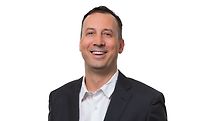
Mr James Olsen
Oral & Maxillofacial Surgeon
Ages
Child / Tamariki, Youth / Rangatahi, Adult / Pakeke, Older adult / Kaumātua
How do I access this service?
Referral Expectations
Complete our registration form here
Fees and Charges Categorisation
Fees apply
Fees and Charges Description
- We are an ACC provider.
- We are a Southern Cross Affiliated Provider.
- We work with all Health Insurance Companies
Hours
7:30 AM to 4:00 PM.
| Mon – Thu | 7:30 AM – 4:00 PM |
|---|
Public Holidays: Closed Waitangi Day (6 Feb), Good Friday (3 Apr), Easter Sunday (5 Apr), Easter Monday (6 Apr), ANZAC Day (observed) (27 Apr), King's Birthday (1 Jun), Matariki (10 Jul), Labour Day (26 Oct), Auckland Anniversary (1 Feb).
Languages Spoken
English, Cantonese Chinese, Mandarin Chinese
Services Provided
Gum tissue at the site of the implant is opened up to expose the bone. The bone is drilled and a titanium implant is inserted where the root of your tooth had been. Once the bone and gum has healed (3-6 months), the post is attached to the implant and the crown is placed over the post and cemented into place.
Gum tissue at the site of the implant is opened up to expose the bone. The bone is drilled and a titanium implant is inserted where the root of your tooth had been. Once the bone and gum has healed (3-6 months), the post is attached to the implant and the crown is placed over the post and cemented into place.
Gum tissue at the site of the implant is opened up to expose the bone. The bone is drilled and a titanium implant is inserted where the root of your tooth had been. Once the bone and gum has healed (3-6 months), the post is attached to the implant and the crown is placed over the post and cemented into place.
There are three large pairs of glands (parotid, sublingual and submandibular) in your mouth that produce saliva which helps break down food as part of the digestion process. Salivary gland surgery involves the removal of one or more of the salivary glands for reasons including: tumours (benign or cancerous), chronic infections or blockages, salivary stones or injuries or cysts. Care is taken to avoid damaging nearby nerves, especially those that control facial movement.
There are three large pairs of glands (parotid, sublingual and submandibular) in your mouth that produce saliva which helps break down food as part of the digestion process. Salivary gland surgery involves the removal of one or more of the salivary glands for reasons including: tumours (benign or cancerous), chronic infections or blockages, salivary stones or injuries or cysts. Care is taken to avoid damaging nearby nerves, especially those that control facial movement.
There are three large pairs of glands (parotid, sublingual and submandibular) in your mouth that produce saliva which helps break down food as part of the digestion process.
Salivary gland surgery involves the removal of one or more of the salivary glands for reasons including: tumours (benign or cancerous), chronic infections or blockages, salivary stones or injuries or cysts.
Care is taken to avoid damaging nearby nerves, especially those that control facial movement.
Arthroscopic: several small incisions (cuts) are made over the joint in front of the ear. A small telescopic instrument with a tiny camera attached (arthroscope) is inserted, allowing the surgeon a view of the joint. Small instruments can be inserted into the other cuts to free up the joint by e.g. removing adhesions and scarring, or repositioning a disc. Arthroplasty (open surgery): an incision is made in front of the ear, giving the surgeon access to reconstruct the joint by e.g. smoothing joint surfaces, repairing discs or removing diseased tissue. If a joint replacement is necessary, a second incision under the angle of the jaw may be required.
Arthroscopic: several small incisions (cuts) are made over the joint in front of the ear. A small telescopic instrument with a tiny camera attached (arthroscope) is inserted, allowing the surgeon a view of the joint. Small instruments can be inserted into the other cuts to free up the joint by e.g. removing adhesions and scarring, or repositioning a disc. Arthroplasty (open surgery): an incision is made in front of the ear, giving the surgeon access to reconstruct the joint by e.g. smoothing joint surfaces, repairing discs or removing diseased tissue. If a joint replacement is necessary, a second incision under the angle of the jaw may be required.
Arthroscopic: several small incisions (cuts) are made over the joint in front of the ear. A small telescopic instrument with a tiny camera attached (arthroscope) is inserted, allowing the surgeon a view of the joint. Small instruments can be inserted into the other cuts to free up the joint by e.g. removing adhesions and scarring, or repositioning a disc.
Arthroplasty (open surgery): an incision is made in front of the ear, giving the surgeon access to reconstruct the joint by e.g. smoothing joint surfaces, repairing discs or removing diseased tissue. If a joint replacement is necessary, a second incision under the angle of the jaw may be required.
Wisdom teeth are the third molars right at the back of your mouth. They usually appear during your late teens or early twenties. If there is not enough room in your mouth they may partially erupt through the gum or not at all. This is referred to as an impacted wisdom tooth. Due to their location wisdom teeth can be difficult to clean and are more susceptible to decay, gum disease and recurrent infections. They can cause crowding of teeth and, on rare occasions, cysts and tumours develop around them. Your dentist will advise if some or all of your wisdom teeth need to be removed. Wisdom teeth will usually only be removed if your dentist believes they will be a significant compromise to your oral health. Impacted tooth extraction Your dentist may recommend extraction if you are at significantly greater risk of infection or tooth decay. Impacted teeth may be removed by your dentist or they may refer you to an oral & maxillofacial surgeon. An incision (cut) is made in your gum and access to the impacted tooth cleared by pushing aside gum tissue and, if necessary, removing some bone. The tooth is removed whole or in pieces and the gum stitched together over the hole.
Wisdom teeth are the third molars right at the back of your mouth. They usually appear during your late teens or early twenties. If there is not enough room in your mouth they may partially erupt through the gum or not at all. This is referred to as an impacted wisdom tooth. Due to their location wisdom teeth can be difficult to clean and are more susceptible to decay, gum disease and recurrent infections. They can cause crowding of teeth and, on rare occasions, cysts and tumours develop around them. Your dentist will advise if some or all of your wisdom teeth need to be removed. Wisdom teeth will usually only be removed if your dentist believes they will be a significant compromise to your oral health. Impacted tooth extraction Your dentist may recommend extraction if you are at significantly greater risk of infection or tooth decay. Impacted teeth may be removed by your dentist or they may refer you to an oral & maxillofacial surgeon. An incision (cut) is made in your gum and access to the impacted tooth cleared by pushing aside gum tissue and, if necessary, removing some bone. The tooth is removed whole or in pieces and the gum stitched together over the hole.
Wisdom teeth are the third molars right at the back of your mouth. They usually appear during your late teens or early twenties. If there is not enough room in your mouth they may partially erupt through the gum or not at all. This is referred to as an impacted wisdom tooth.
Due to their location wisdom teeth can be difficult to clean and are more susceptible to decay, gum disease and recurrent infections. They can cause crowding of teeth and, on rare occasions, cysts and tumours develop around them.
Your dentist will advise if some or all of your wisdom teeth need to be removed. Wisdom teeth will usually only be removed if your dentist believes they will be a significant compromise to your oral health.
Impacted tooth extraction
Your dentist may recommend extraction if you are at significantly greater risk of infection or tooth decay. Impacted teeth may be removed by your dentist or they may refer you to an oral & maxillofacial surgeon.
An incision (cut) is made in your gum and access to the impacted tooth cleared by pushing aside gum tissue and, if necessary, removing some bone. The tooth is removed whole or in pieces and the gum stitched together over the hole.
Find information here
Find information here
Find information here
Find information here
Find information here
Find information here
Find information here
Find information here
Find information here
Find information here
Find information here
Find information here
Find information here
Find information here
Find information here
Find information here
Find information here
Find information here
Disability Assistance
Wheelchair access, Mobility parking space, Wheelchair accessible toilet
Public Transport
Use the Eastern Busway network. Bus Stop 6129 on Ti Rakau Drive is 5 mins walk away.
Parking
There is plenty of onsite & off street parking.
Pharmacy
Find your nearest pharmacy here
Website

Contact Details
11 Cortina Place, Pakuranga, Auckland
East Auckland
7:30 AM to 4:00 PM.
-
Phone
(09) 280 3322
Email
Website
Inside Pakuranga Medical Centre (upstairs, next to the lift), 11 Cortina Place
Pakūranga
Auckland
Auckland 2010
Street Address
Inside Pakuranga Medical Centre (upstairs, next to the lift), 11 Cortina Place
Pakūranga
Auckland
Auckland 2010
Was this page helpful?
This page was last updated at 9:50AM on February 2, 2026. This information is reviewed and edited by Ti Rakau OMS.