
Canterbury > Private Hospitals & Specialists >
James Taylor - Hip, Knee & General Orthopaedic Surgeon
Private Service, Orthopaedics
Description
Mr James Taylor is an Orthopaedic Surgeon in public practice at Christchurch Public and Burwood hospitals and private practice at the Elmwood Orthopaedic Centre.
Services provided by Mr Taylor include:
- Hip Surgery and Replacement
- Knee Surgery and Replacement
- Hip and knee conditions
Mr Taylor has a particular interest in hip and knee replacement.
Consultants
-
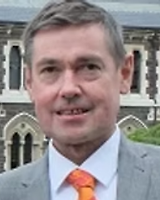
Mr James Taylor
Orthopaedic Hip and Knee Surgeon
Ages
Adult / Pakeke, Older adult / Kaumātua, Youth / Rangatahi
How do I access this service?
Referral
Fees and Charges Categorisation
Fees apply
Fees and Charges Description
Southern Cross Affiliated provider
Languages Spoken
English
Services Provided
An incision (cut) is made on the side of the thigh to allow the surgeon access to the hip joint. The diseased and damaged parts of the hip joint are removed and replaced with smooth, artificial metal ‘ball’ and plastic ‘socket’ parts.
An incision (cut) is made on the side of the thigh to allow the surgeon access to the hip joint. The diseased and damaged parts of the hip joint are removed and replaced with smooth, artificial metal ‘ball’ and plastic ‘socket’ parts.
An incision (cut) is made on the side of the thigh to allow the surgeon access to the hip joint. The diseased and damaged parts of the hip joint are removed and replaced with smooth, artificial metal ‘ball’ and plastic ‘socket’ parts.
An incision (cut) is made on the front of the knee to allow the surgeon access to the knee joint. The damaged and painful areas of the thigh bone (femur) and lower leg bone (tibia), including the knee joint, are removed and replaced with metal and plastic parts.
An incision (cut) is made on the front of the knee to allow the surgeon access to the knee joint. The damaged and painful areas of the thigh bone (femur) and lower leg bone (tibia), including the knee joint, are removed and replaced with metal and plastic parts.
An incision (cut) is made on the front of the knee to allow the surgeon access to the knee joint. The damaged and painful areas of the thigh bone (femur) and lower leg bone (tibia), including the knee joint, are removed and replaced with metal and plastic parts.
This is a surgical procedure performed on a knee joint that has become painful and/or impaired because of disease, injury or wear and tear. In total knee replacement, artificial materials (metal and plastic) are used to replace the following damaged surfaces within the knee joint: the end of the thigh bone (femur) the end of the shin bone (tibia) the back of the kneecap (patella) This operation is a major procedure which requires you to be in hospital for several days and will be followed by a significant period of rehabilitation. Occasionally blood transfusions are required; if you have some concerns raise this with your surgeon during consultation. For more information about total knee replacement please click here.
This is a surgical procedure performed on a knee joint that has become painful and/or impaired because of disease, injury or wear and tear. In total knee replacement, artificial materials (metal and plastic) are used to replace the following damaged surfaces within the knee joint: the end of the thigh bone (femur) the end of the shin bone (tibia) the back of the kneecap (patella) This operation is a major procedure which requires you to be in hospital for several days and will be followed by a significant period of rehabilitation. Occasionally blood transfusions are required; if you have some concerns raise this with your surgeon during consultation. For more information about total knee replacement please click here.
This is a surgical procedure performed on a knee joint that has become painful and/or impaired because of disease, injury or wear and tear.
In total knee replacement, artificial materials (metal and plastic) are used to replace the following damaged surfaces within the knee joint:
- the end of the thigh bone (femur)
- the end of the shin bone (tibia)
- the back of the kneecap (patella)
This operation is a major procedure which requires you to be in hospital for several days and will be followed by a significant period of rehabilitation.
Occasionally blood transfusions are required; if you have some concerns raise this with your surgeon during consultation.
For more information about total knee replacement please click here.
For elderly patients joint replacement surgery is commonly required to treat damaged joints from wearing out, arthritis or other forms of joint disease including rheumatoid arthritis. In these procedures the damaged joint surface is removed and replaced with artificial surfaces normally made from metal (chromium cobalt alloy, titanium), plastic (high density polyethelene) or ceramic which act as alternate bearing surfaces for the damaged joint. These operations are major procedures which require the patient to be in hospital for several days and followed by a significant period of rehabilitation. The hospital has several ways of approaching the procedure for replacement and the specifics for the procedure will be covered at the time of assessment and booking of surgery. Occasionally blood transfusions are required; if you have some concerns raise this with your surgeon during consultation.
For elderly patients joint replacement surgery is commonly required to treat damaged joints from wearing out, arthritis or other forms of joint disease including rheumatoid arthritis. In these procedures the damaged joint surface is removed and replaced with artificial surfaces normally made from metal (chromium cobalt alloy, titanium), plastic (high density polyethelene) or ceramic which act as alternate bearing surfaces for the damaged joint. These operations are major procedures which require the patient to be in hospital for several days and followed by a significant period of rehabilitation. The hospital has several ways of approaching the procedure for replacement and the specifics for the procedure will be covered at the time of assessment and booking of surgery. Occasionally blood transfusions are required; if you have some concerns raise this with your surgeon during consultation.
For elderly patients joint replacement surgery is commonly required to treat damaged joints from wearing out, arthritis or other forms of joint disease including rheumatoid arthritis. In these procedures the damaged joint surface is removed and replaced with artificial surfaces normally made from metal (chromium cobalt alloy, titanium), plastic (high density polyethelene) or ceramic which act as alternate bearing surfaces for the damaged joint.
These operations are major procedures which require the patient to be in hospital for several days and followed by a significant period of rehabilitation. The hospital has several ways of approaching the procedure for replacement and the specifics for the procedure will be covered at the time of assessment and booking of surgery.
Occasionally blood transfusions are required; if you have some concerns raise this with your surgeon during consultation.
Otherwise known as degenerative arthritis. OA occurs when there is a breakdown of the cartilage, leaving the bones unprotected. It is very common and usually affects people as they get older. You can get it at any age and are more likely to if you have previously injured a joint, or are overweight. The symptoms can be very mild with just occasional pain with activity. Worsening symptoms include pain with activity and stiffness with rest. Joints can become swollen and restricted in movement. Joints can change shape as the bone changes in response to loss of protection. You otherwise feel well. The diagnosis is made on the basis of the history, examination findings and sometimes x-rays. The severity of joint damage seen on x-ray does not always correlate with the degree of pain you experience. Treatment includes guided exercises, weight reduction if needed, pain relief and sometimes surgery. For more information see www.arthritis.org.nz
Otherwise known as degenerative arthritis. OA occurs when there is a breakdown of the cartilage, leaving the bones unprotected. It is very common and usually affects people as they get older. You can get it at any age and are more likely to if you have previously injured a joint, or are overweight. The symptoms can be very mild with just occasional pain with activity. Worsening symptoms include pain with activity and stiffness with rest. Joints can become swollen and restricted in movement. Joints can change shape as the bone changes in response to loss of protection. You otherwise feel well. The diagnosis is made on the basis of the history, examination findings and sometimes x-rays. The severity of joint damage seen on x-ray does not always correlate with the degree of pain you experience. Treatment includes guided exercises, weight reduction if needed, pain relief and sometimes surgery. For more information see www.arthritis.org.nz
Otherwise known as degenerative arthritis. OA occurs when there is a breakdown of the cartilage, leaving the bones unprotected. It is very common and usually affects people as they get older.
You can get it at any age and are more likely to if you have previously injured a joint, or are overweight.
The symptoms can be very mild with just occasional pain with activity. Worsening symptoms include pain with activity and stiffness with rest. Joints can become swollen and restricted in movement. Joints can change shape as the bone changes in response to loss of protection. You otherwise feel well.
The diagnosis is made on the basis of the history, examination findings and sometimes x-rays. The severity of joint damage seen on x-ray does not always correlate with the degree of pain you experience.
Treatment includes guided exercises, weight reduction if needed, pain relief and sometimes surgery. For more information see www.arthritis.org.nz
Disability Assistance
Mobility parking space, Wheelchair access, Wheelchair accessible toilet
Public Transport
The Christchurch City Council provides good public transport information. See here
Parking
Patient car park is available on the ground floor.
Pharmacy
Website

Contact Details
-
Phone
(03) 355 1886
Healthlink EDI
jtayloro
Email
Website
Elmwood Orthopaedics Specialist Centre, Level 3, 11 Caledonian Road
Saint Albans
Christchurch
Canterbury 8014
Street Address
Elmwood Orthopaedics Specialist Centre, Level 3, 11 Caledonian Road
Saint Albans
Christchurch
Canterbury 8014
Was this page helpful?
This page was last updated at 5:50PM on April 19, 2026. This information is reviewed and edited by James Taylor - Hip, Knee & General Orthopaedic Surgeon.