
Central Auckland > Public Hospital Services > Health New Zealand | Te Whatu Ora - Te Toka Tumai Auckland >
Cardiology | Auckland | Te Toka Tumai
Public Service, Cardiology
Today
Greenlane Clinical Centre
8:30 AM to 5:30 PM.
Description
The cardiology team at Auckland City Hospital has an international reputation for cardiology and cardiothoracic surgery. We have continued to be at the leading edge of innovation since the 1950s.
Cardiology is the specialty within medicine that looks at the heart and blood vessels. Your heart consists of four chambers, which are responsible for pumping blood to your lungs and then the rest of your body. The study of the heart includes the heart muscle (the myocardium), the valves within the heart between the chambers, the blood vessels that supply blood (and hence oxygen and nutrients) to the heart muscle, and the electrical system of the heart which is what controls the heart rate.
Visit Healthify for general information on cardiology conditions.
Consultants
-

Dr Natasha Altman
Cardiologist
-

Dr Peter Barr
Interventional Cardiologist
-
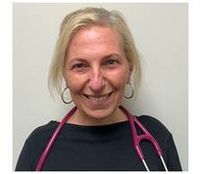
Dr Jocelyne Benatar
MOSS Cardiology
-

Dr Sergej Cicovic
Interventional Cardiologist
-

Prof Rob Doughty
Cardiologist
-

Dr Nicola Edwards
Cardiologist
-

Dr Shakiya Ershad
Cardiologist
-

Dr Sarah Fitzsimons
Cardiologist
-

Dr Ivor Gerber
Cardiologist
-
Dr Jesus Gonzalez Leon
Cardiologist
-

Dr Shaw (Anthony) Kueh
Cardiologist
-
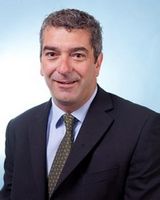
Assoc Prof Nigel Lever
Cardiologist
-
Dr Khang Li Looi
Cardiologist
-

Dr Boris Lowe
Cardiologist
-

Dr Andrew Martin
Cardiologist
-
Dr Lene Nielsen
Cardiologist General Echo/Imaging
-

Dr Matthew O'Connor
Consultant Electrophysiologist
-

Dr Christopher Occleshaw
Cardiac Radiologist
-

Dr Thomas Pasley
Cardiologist
-
Dr Jeffrey Sebastian
Cardiologist
-

Dr Jithendra Somaratne
Interventional Cardiologist
-

Prof Ralph Stewart
Cardiologist
-
Dr Michael Stubbs
Cardiologist
-

Dr Niels van Pelt
Cardiologist
-
Dr Karsten Veien
Interventional Cardiologist
-

Dr Cara Wasywich
Cardiologist - Service Clinical Director
-

Dr Mark Webster
Cardiologist
-

Dr Miriam Wheeler
Cardiologist
-
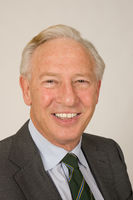
Prof Harvey White
Cardiologist
-

Dr Jonathon White
Cardiologist
Referral Expectations
What happens next?
Hours
Greenlane Clinical Centre
8:30 AM to 5:30 PM.
| Mon – Fri | 8:30 AM – 5:30 PM |
|---|
Procedures / Treatments
An ECG is a recording of your heart's electrical activity. Electrode patches are attached to your skin to measure the electrical impulses given off by your heart. The result is a trace that can be read by a doctor. It can give information of previous heart attacks or problems with the heart rhythm. Ambulatory ECG - this can be performed with a Holter monitor which monitors your heart for rhythm abnormalities during normal activity for an uninterrupted 24-hour period. During the test, electrodes attached to your chest are connected to a portable recorder - about the size of a paperback book - that's attached to your belt or hung from a shoulder strap. Another form of ambulatory ECG test is an Event recorder which covers 1-2 weeks. You wear a monitor (much smaller than a Holter monitor) and if you have any symptoms, such as dizziness, you press a button on a recording device which saves the recording of your heart rhythm made in the minutes leading up to and during your symptoms. Because you can wear this for a longer period of time it has a higher rate of catching your abnormal rhythm.
An ECG is a recording of your heart's electrical activity. Electrode patches are attached to your skin to measure the electrical impulses given off by your heart. The result is a trace that can be read by a doctor. It can give information of previous heart attacks or problems with the heart rhythm. Ambulatory ECG - this can be performed with a Holter monitor which monitors your heart for rhythm abnormalities during normal activity for an uninterrupted 24-hour period. During the test, electrodes attached to your chest are connected to a portable recorder - about the size of a paperback book - that's attached to your belt or hung from a shoulder strap. Another form of ambulatory ECG test is an Event recorder which covers 1-2 weeks. You wear a monitor (much smaller than a Holter monitor) and if you have any symptoms, such as dizziness, you press a button on a recording device which saves the recording of your heart rhythm made in the minutes leading up to and during your symptoms. Because you can wear this for a longer period of time it has a higher rate of catching your abnormal rhythm.
An ECG is a recording of your heart's electrical activity. Electrode patches are attached to your skin to measure the electrical impulses given off by your heart. The result is a trace that can be read by a doctor. It can give information of previous heart attacks or problems with the heart rhythm.
Ambulatory ECG - this can be performed with a Holter monitor which monitors your heart for rhythm abnormalities during normal activity for an uninterrupted 24-hour period. During the test, electrodes attached to your chest are connected to a portable recorder - about the size of a paperback book - that's attached to your belt or hung from a shoulder strap.
Another form of ambulatory ECG test is an Event recorder which covers 1-2 weeks. You wear a monitor (much smaller than a Holter monitor) and if you have any symptoms, such as dizziness, you press a button on a recording device which saves the recording of your heart rhythm made in the minutes leading up to and during your symptoms. Because you can wear this for a longer period of time it has a higher rate of catching your abnormal rhythm.
An ECG done when you are resting may be normal even when you have cardiovascular disease. During an exercise ECG the heart is made to work harder so that if there is any narrowing of the blood vessels resulting in poor blood supply it is more likely to be picked up on the tracing as your heart goes faster. For this test you have to work harder which involves walking on a treadmill while your heart is monitored. The treadmill gets faster with time but you can stop at anytime. This test is supervised and interpreted by a doctor as you go. This test is used to see if you have any evidence of cardiovascular disease and can give the doctor some idea as to how severe it might be so as to direct further tests and possible treatment.
An ECG done when you are resting may be normal even when you have cardiovascular disease. During an exercise ECG the heart is made to work harder so that if there is any narrowing of the blood vessels resulting in poor blood supply it is more likely to be picked up on the tracing as your heart goes faster. For this test you have to work harder which involves walking on a treadmill while your heart is monitored. The treadmill gets faster with time but you can stop at anytime. This test is supervised and interpreted by a doctor as you go. This test is used to see if you have any evidence of cardiovascular disease and can give the doctor some idea as to how severe it might be so as to direct further tests and possible treatment.
An ECG done when you are resting may be normal even when you have cardiovascular disease. During an exercise ECG the heart is made to work harder so that if there is any narrowing of the blood vessels resulting in poor blood supply it is more likely to be picked up on the tracing as your heart goes faster. For this test you have to work harder which involves walking on a treadmill while your heart is monitored. The treadmill gets faster with time but you can stop at anytime. This test is supervised and interpreted by a doctor as you go. This test is used to see if you have any evidence of cardiovascular disease and can give the doctor some idea as to how severe it might be so as to direct further tests and possible treatment.
Cardiology blood tests help doctors check for heart disease, monitor risk factors, and assess how well the heart is working. Some tests check for damage right now (like troponin), while others check your long-term risks (like cholesterol and blood sugar) or stress on the heart (like BNP).
Cardiology blood tests help doctors check for heart disease, monitor risk factors, and assess how well the heart is working. Some tests check for damage right now (like troponin), while others check your long-term risks (like cholesterol and blood sugar) or stress on the heart (like BNP).
Cardiology blood tests help doctors check for heart disease, monitor risk factors, and assess how well the heart is working. Some tests check for damage right now (like troponin), while others check your long-term risks (like cholesterol and blood sugar) or stress on the heart (like BNP).
Echocardiography (or cardiac ultrasound) is a test that uses high frequency sound waves to generate pictures of your heart. During the test, you generally lie on your back, gel is applied to your skin and a technician then moves the small, plastic transducer over your chest. The test is painless and can take from 10 minutes to an hour. The machine then develops images of your heart which are seen on a monitor. This is referred to as an echocardiogram. Echocardiography can help in the diagnosis of many heart problems including cardiovascular disease, previous heart attacks, valve disorders, weakened heart muscle, holes between heart chambers, fluid around the heart (pericardial effusion). If doctors are looking for evidence of coronary artery disease, they may perform variations of this test which include: Exercise echocardiography - compares how your heart works when stressed by exercise versus when it is at rest. The ultrasound is conducted before you exercise and immediately after you stop. Either a stationary bicycle or standard treadmill is used. Dobutamine stress echocardiography - if you’re unable to exercise for the above test, you might be given medication to simulate the effects of exercise. During this test, an echocardiogram initially is performed when you’re at rest. Then dobutamine is given to you via a needle into a vein in your arm. Its effect is to make your heart work harder and faster just like with exercise. After it has taken effect, the echocardiogram is repeated. The effect wears off very quickly.
Echocardiography (or cardiac ultrasound) is a test that uses high frequency sound waves to generate pictures of your heart. During the test, you generally lie on your back, gel is applied to your skin and a technician then moves the small, plastic transducer over your chest. The test is painless and can take from 10 minutes to an hour. The machine then develops images of your heart which are seen on a monitor. This is referred to as an echocardiogram. Echocardiography can help in the diagnosis of many heart problems including cardiovascular disease, previous heart attacks, valve disorders, weakened heart muscle, holes between heart chambers, fluid around the heart (pericardial effusion). If doctors are looking for evidence of coronary artery disease, they may perform variations of this test which include: Exercise echocardiography - compares how your heart works when stressed by exercise versus when it is at rest. The ultrasound is conducted before you exercise and immediately after you stop. Either a stationary bicycle or standard treadmill is used. Dobutamine stress echocardiography - if you’re unable to exercise for the above test, you might be given medication to simulate the effects of exercise. During this test, an echocardiogram initially is performed when you’re at rest. Then dobutamine is given to you via a needle into a vein in your arm. Its effect is to make your heart work harder and faster just like with exercise. After it has taken effect, the echocardiogram is repeated. The effect wears off very quickly.
Echocardiography (or cardiac ultrasound) is a test that uses high frequency sound waves to generate pictures of your heart. During the test, you generally lie on your back, gel is applied to your skin and a technician then moves the small, plastic transducer over your chest. The test is painless and can take from 10 minutes to an hour.
The machine then develops images of your heart which are seen on a monitor. This is referred to as an echocardiogram.
Echocardiography can help in the diagnosis of many heart problems including cardiovascular disease, previous heart attacks, valve disorders, weakened heart muscle, holes between heart chambers, fluid around the heart (pericardial effusion).
If doctors are looking for evidence of coronary artery disease, they may perform variations of this test which include:
- Exercise echocardiography - compares how your heart works when stressed by exercise versus when it is at rest. The ultrasound is conducted before you exercise and immediately after you stop. Either a stationary bicycle or standard treadmill is used.
- Dobutamine stress echocardiography - if you’re unable to exercise for the above test, you might be given medication to simulate the effects of exercise. During this test, an echocardiogram initially is performed when you’re at rest. Then dobutamine is given to you via a needle into a vein in your arm. Its effect is to make your heart work harder and faster just like with exercise. After it has taken effect, the echocardiogram is repeated. The effect wears off very quickly.
This test is performed by a cardiologist in a sterile operating theatre environment. Most people will need to have routine tests before the procedure. These tests may require separate appointments and are usually planned the day before or the day of the procedure. You will be asked not to eat or drink after midnight the evening before the procedure. You are not given a general anaesthetic but may have some medication to relax you if needed. Local anaesthetic is put into an area of skin to the side of your groin or in your arm. A needle and then tube are fed into an artery here and advanced through the blood vessels to the heart. Dye is then injected so that the heart and blood vessels can be seen on X-ray. X-rays and measurements are then taken giving the doctors information about the state of your heart and the exact nature of any narrowed blood vessels. This allows them to plan the best form of treatment to prevent heart attacks and control any symptoms you may have. After the procedure you will have to lay flat for several hours to prevent bleeding.
This test is performed by a cardiologist in a sterile operating theatre environment. Most people will need to have routine tests before the procedure. These tests may require separate appointments and are usually planned the day before or the day of the procedure. You will be asked not to eat or drink after midnight the evening before the procedure. You are not given a general anaesthetic but may have some medication to relax you if needed. Local anaesthetic is put into an area of skin to the side of your groin or in your arm. A needle and then tube are fed into an artery here and advanced through the blood vessels to the heart. Dye is then injected so that the heart and blood vessels can be seen on X-ray. X-rays and measurements are then taken giving the doctors information about the state of your heart and the exact nature of any narrowed blood vessels. This allows them to plan the best form of treatment to prevent heart attacks and control any symptoms you may have. After the procedure you will have to lay flat for several hours to prevent bleeding.
This test is performed by a cardiologist in a sterile operating theatre environment.
Most people will need to have routine tests before the procedure. These tests may require separate appointments and are usually planned the day before or the day of the procedure. You will be asked not to eat or drink after midnight the evening before the procedure.
You are not given a general anaesthetic but may have some medication to relax you if needed. Local anaesthetic is put into an area of skin to the side of your groin or in your arm. A needle and then tube are fed into an artery here and advanced through the blood vessels to the heart. Dye is then injected so that the heart and blood vessels can be seen on X-ray. X-rays and measurements are then taken giving the doctors information about the state of your heart and the exact nature of any narrowed blood vessels. This allows them to plan the best form of treatment to prevent heart attacks and control any symptoms you may have.
After the procedure you will have to lay flat for several hours to prevent bleeding.
Cardiovascular disease is a general term for any condition that affects the heart or blood vessels. Common types of cardiovascular disease include: Coronary artery disease – narrowing or blockage of the arteries that supply the heart, which can lead to chest pain or heart attack. Heart failure – when the heart can’t pump blood effectively. Arrhythmias – abnormal heart rhythms. Stroke – damage to the brain caused by blocked or burst blood vessels. Peripheral artery disease – narrowing of arteries in the legs or arms. Heart valve problems – issues with valves that control blood flow through the heart. Risk factors: High blood pressure High cholesterol Smoking Diabetes Obesity Family history of heart disease Are older (your risk increases as you get older)
Cardiovascular disease is a general term for any condition that affects the heart or blood vessels. Common types of cardiovascular disease include: Coronary artery disease – narrowing or blockage of the arteries that supply the heart, which can lead to chest pain or heart attack. Heart failure – when the heart can’t pump blood effectively. Arrhythmias – abnormal heart rhythms. Stroke – damage to the brain caused by blocked or burst blood vessels. Peripheral artery disease – narrowing of arteries in the legs or arms. Heart valve problems – issues with valves that control blood flow through the heart. Risk factors: High blood pressure High cholesterol Smoking Diabetes Obesity Family history of heart disease Are older (your risk increases as you get older)
Cardiovascular disease is a general term for any condition that affects the heart or blood vessels.
Common types of cardiovascular disease include:
- Coronary artery disease – narrowing or blockage of the arteries that supply the heart, which can lead to chest pain or heart attack.
- Heart failure – when the heart can’t pump blood effectively.
- Arrhythmias – abnormal heart rhythms.
- Stroke – damage to the brain caused by blocked or burst blood vessels.
- Peripheral artery disease – narrowing of arteries in the legs or arms.
- Heart valve problems – issues with valves that control blood flow through the heart.
Risk factors:
- High blood pressure
- High cholesterol
- Smoking
- Diabetes
- Obesity
- Family history of heart disease
- Are older (your risk increases as you get older)
Heart failure refers to the heart failing to pump efficiently. There are many diseases that cause this including cardiovascular disease, high blood pressure, viral infections, alcohol, and diseases affecting the valves of the heart. When the heart is inefficient a number of symptoms occur depending on the cause and severity of the condition. The main symptoms are tiredness, breathlessness on exertion or lying flat, and ankle swelling. Doctors often refer to oedema, which means fluid retention usually in your feet or lungs as a result of the heart not pumping efficiently. Tests looking for possible causes of heart failure include: Chest x-ray, Electrocardiogram (ECG), Echocardiogram (Cardiac ultrasound), Angiogram. You are likely to be given several medications over time, started and monitored by your cardiologist and GP. These include medication to control the amount of fluid that builds up (diuretics), medication to protect your heart and slow it down as well as to thin your blood. You will often be referred to a dietitian or given advice about restricting the amount of fluid and salt you take as this can contribute to symptoms.
Heart failure refers to the heart failing to pump efficiently. There are many diseases that cause this including cardiovascular disease, high blood pressure, viral infections, alcohol, and diseases affecting the valves of the heart. When the heart is inefficient a number of symptoms occur depending on the cause and severity of the condition. The main symptoms are tiredness, breathlessness on exertion or lying flat, and ankle swelling. Doctors often refer to oedema, which means fluid retention usually in your feet or lungs as a result of the heart not pumping efficiently. Tests looking for possible causes of heart failure include: Chest x-ray, Electrocardiogram (ECG), Echocardiogram (Cardiac ultrasound), Angiogram. You are likely to be given several medications over time, started and monitored by your cardiologist and GP. These include medication to control the amount of fluid that builds up (diuretics), medication to protect your heart and slow it down as well as to thin your blood. You will often be referred to a dietitian or given advice about restricting the amount of fluid and salt you take as this can contribute to symptoms.
Heart failure refers to the heart failing to pump efficiently. There are many diseases that cause this including cardiovascular disease, high blood pressure, viral infections, alcohol, and diseases affecting the valves of the heart. When the heart is inefficient a number of symptoms occur depending on the cause and severity of the condition. The main symptoms are tiredness, breathlessness on exertion or lying flat, and ankle swelling. Doctors often refer to oedema, which means fluid retention usually in your feet or lungs as a result of the heart not pumping efficiently.
Tests looking for possible causes of heart failure include: Chest x-ray, Electrocardiogram (ECG), Echocardiogram (Cardiac ultrasound), Angiogram.
You are likely to be given several medications over time, started and monitored by your cardiologist and GP. These include medication to control the amount of fluid that builds up (diuretics), medication to protect your heart and slow it down as well as to thin your blood. You will often be referred to a dietitian or given advice about restricting the amount of fluid and salt you take as this can contribute to symptoms.
Heart rhythm refers to the electrical source that is driving the heart rate and whether or not it is regular or irregular. Heart rhythm can be affected by a number of conditions. Some common terms Sinus rhythm is the normal rhythm Arrhythmia means abnormal rhythm Fibrillation means irregular rhythm or quivering of one part of the heart Bradycardia means slow heart rate Tachycardia means fast heart rate Paroxysmal means the arrhythmia comes and goes Tachycardia The most common form of this is atrial fibrillation. This is where the heart rhythm is irregular and often too fast. Symptoms include fatigue, palpitations (where you are aware of your heart racing or pounding), dizziness and breathlessness. Other tachycardias include supraventricular tachycardia (SVT) or ventricular tachycardia (VT). These have similar symptoms as atrial fibrillation but can also cause you to lose consciousness (faint). Bradycardia The most common form of this is called heart block. This is because messages from the electrical generator of the heart don't get through efficiently to the rest of the heart and hence it goes very slowly or can pause. Symptoms of the heart going too slowly include feeling tired, breathless or fainting. Tests Tests to diagnose what sort of arrhythmia you have include an electrocardiogram (ECG) and an ambulatory ECG (Holter monitor or Event recorder). Treatment Most treatments for tachycardias consist of medication to stop the abnormal rhythm or make it slower if and when it occurs. Atrial fibrillation, if you have other problems, can increase your risk of stroke so blood-thinning medication is often used as well. If you have bradycardia, you may be referred to the surgeons for a pacemaker. This is a small operation where a battery powered device is placed under the skin with wires that lead to your heart and provide it with electrical stimulation to prevent it from going too slowly. You can't feel it doing this but will be aware of a small flat lump under your skin just below your collar bone.
Heart rhythm refers to the electrical source that is driving the heart rate and whether or not it is regular or irregular. Heart rhythm can be affected by a number of conditions. Some common terms Sinus rhythm is the normal rhythm Arrhythmia means abnormal rhythm Fibrillation means irregular rhythm or quivering of one part of the heart Bradycardia means slow heart rate Tachycardia means fast heart rate Paroxysmal means the arrhythmia comes and goes Tachycardia The most common form of this is atrial fibrillation. This is where the heart rhythm is irregular and often too fast. Symptoms include fatigue, palpitations (where you are aware of your heart racing or pounding), dizziness and breathlessness. Other tachycardias include supraventricular tachycardia (SVT) or ventricular tachycardia (VT). These have similar symptoms as atrial fibrillation but can also cause you to lose consciousness (faint). Bradycardia The most common form of this is called heart block. This is because messages from the electrical generator of the heart don't get through efficiently to the rest of the heart and hence it goes very slowly or can pause. Symptoms of the heart going too slowly include feeling tired, breathless or fainting. Tests Tests to diagnose what sort of arrhythmia you have include an electrocardiogram (ECG) and an ambulatory ECG (Holter monitor or Event recorder). Treatment Most treatments for tachycardias consist of medication to stop the abnormal rhythm or make it slower if and when it occurs. Atrial fibrillation, if you have other problems, can increase your risk of stroke so blood-thinning medication is often used as well. If you have bradycardia, you may be referred to the surgeons for a pacemaker. This is a small operation where a battery powered device is placed under the skin with wires that lead to your heart and provide it with electrical stimulation to prevent it from going too slowly. You can't feel it doing this but will be aware of a small flat lump under your skin just below your collar bone.
Heart rhythm refers to the electrical source that is driving the heart rate and whether or not it is regular or irregular. Heart rhythm can be affected by a number of conditions.
Some common terms
- Sinus rhythm is the normal rhythm
- Arrhythmia means abnormal rhythm
- Fibrillation means irregular rhythm or quivering of one part of the heart
- Bradycardia means slow heart rate
- Tachycardia means fast heart rate
- Paroxysmal means the arrhythmia comes and goes
Tachycardia
The most common form of this is atrial fibrillation. This is where the heart rhythm is irregular and often too fast. Symptoms include fatigue, palpitations (where you are aware of your heart racing or
pounding), dizziness and breathlessness.
Other tachycardias include supraventricular tachycardia (SVT) or ventricular tachycardia (VT). These have similar symptoms as atrial fibrillation but can also cause you to lose consciousness (faint).
Bradycardia
The most common form of this is called heart block. This is because messages from the electrical generator of the heart don't get through efficiently to the rest of the heart and hence it goes very slowly or can pause. Symptoms of the heart going too slowly include feeling tired, breathless or fainting.
Tests
Tests to diagnose what sort of arrhythmia you have include an electrocardiogram (ECG) and an ambulatory ECG (Holter monitor or Event recorder).
Treatment
Most treatments for tachycardias consist of medication to stop the abnormal rhythm or make it slower if and when it occurs. Atrial fibrillation, if you have other problems, can increase your risk of stroke so blood-thinning medication is often used as well.
If you have bradycardia, you may be referred to the surgeons for a pacemaker. This is a small operation where a battery powered device is placed under the skin with wires that lead to your heart and provide it with electrical stimulation to prevent it from going too slowly. You can't feel it doing this but will be aware of a small flat lump under your skin just below your collar bone.
Your heart consists of four chambers that receive and send blood to the lungs and body. Disorders affecting valves can either cause stenosis (a narrowing) or regurgitation (leakage after the valve has closed). Depending on what valve is involved and how severe the damage is it may result in symptoms of heart failure, as it makes the heart pump inefficiently. Suspicion of a heart valve problem is usually picked up by your doctor when they listen to your heart and hear a murmur. A murmur is heard with the stethoscope and is turbulence of blood flow that occurs through a narrowed or leaky valve. Not all heart murmurs mean serious problems but are best investigated further. The echocardiogram is the main test to diagnose what valve is involved and how severe it is. Treatment depends on the type and severity of the valve lesion. You may simply be monitored over years to see if anything changes. Some conditions require medication to thin the blood or treat any complicating heart problems. You may be referred to a heart surgeon for consideration of a valve replacement or dilatation of a narrowed valve.
Your heart consists of four chambers that receive and send blood to the lungs and body. Disorders affecting valves can either cause stenosis (a narrowing) or regurgitation (leakage after the valve has closed). Depending on what valve is involved and how severe the damage is it may result in symptoms of heart failure, as it makes the heart pump inefficiently. Suspicion of a heart valve problem is usually picked up by your doctor when they listen to your heart and hear a murmur. A murmur is heard with the stethoscope and is turbulence of blood flow that occurs through a narrowed or leaky valve. Not all heart murmurs mean serious problems but are best investigated further. The echocardiogram is the main test to diagnose what valve is involved and how severe it is. Treatment depends on the type and severity of the valve lesion. You may simply be monitored over years to see if anything changes. Some conditions require medication to thin the blood or treat any complicating heart problems. You may be referred to a heart surgeon for consideration of a valve replacement or dilatation of a narrowed valve.
Your heart consists of four chambers that receive and send blood to the lungs and body.
Disorders affecting valves can either cause stenosis (a narrowing) or regurgitation (leakage after the valve has closed). Depending on what valve is involved and how severe the damage is it may result in symptoms of heart failure, as it makes the heart pump inefficiently.
Suspicion of a heart valve problem is usually picked up by your doctor when they listen to your heart and hear a murmur. A murmur is heard with the stethoscope and is turbulence of blood flow that occurs through a narrowed or leaky valve. Not all heart murmurs mean serious problems but are best investigated further.
The echocardiogram is the main test to diagnose what valve is involved and how severe it is.
Treatment depends on the type and severity of the valve lesion. You may simply be monitored over years to see if anything changes. Some conditions require medication to thin the blood or treat any complicating heart problems. You may be referred to a heart surgeon for consideration of a valve replacement or dilatation of a narrowed valve.
Cardiac rehabilitation is provided at Auckland City Hospital to support, educate and assist the patient, spouse, partner, whanau and family following an acute cardiac event. Actively engaging in Cardiac Rehabilitation has been shown to significantly reduce further cardiac events, hospital admission and also improve quality of life for you and your family. Phase I consists of the information, education and support a patient receives at the bedside in hospital to aid understanding of heart disease, also providing information on how risk factors can be modified. This assists towards self-care, physical and psychological recovery. Phase 2 Cardiac Education Programme The Phase 2 Cardiac Education Programme has a multi-disciplinary approach and is held over four weeks (two hours per week) either at Mt Albert YMCA or Auckland University, Merton Rd, Glen Innes. Topics covered are: Risk factors for heart disease Impact of cardiac event – emotional reactions following a cardiac event Healthy eating habits Supermarket tour – food label reading, session given by cardiac rehab nurse specialists Medications/Drugs Exercise for heart health What to do in an emergency, basic cardiopulmonary resuscitation (CPR) Meet the cardiologist Your questions answered Chinese Programme When numbers are available, a two-hour education session is run in conjunction with an interpreter for Chinese patients and the cardiac rehab nurse specialist. When there are more than two patients that speak Mandarin or Cantonese these sessions are held at various times throughout the year at Greenlane Clinical Centre. Phase 2 Exercise Programme Offered Auckland Cardiac Rehabilitation Clinic (ACRC) by Auckland University Programme runs 3 times a week for 3 months YMCA Mt Albert and Green Lane Clinical Centre Gym Programme runs 2 times a week for 8 weeks Each patient requires approval to exercise by a cardiologist before referral to an exercise programme. Each patient is risk stratified and assessed individually at the Greenlane Clinical Centre. This includes a six-minute walk test, undertaken by the physiotherapist or the cardiac rehab nurse specialists. Who to contact: Cardiac Rehabilitation Nurse Specialists: Susan Reed 09 307 4949 ext 27864 Wendy Marshall 09 307 4949 ext 27865 Cathy Gasparini 09 307 4949 ext 29270
Cardiac rehabilitation is provided at Auckland City Hospital to support, educate and assist the patient, spouse, partner, whanau and family following an acute cardiac event. Actively engaging in Cardiac Rehabilitation has been shown to significantly reduce further cardiac events, hospital admission and also improve quality of life for you and your family. Phase I consists of the information, education and support a patient receives at the bedside in hospital to aid understanding of heart disease, also providing information on how risk factors can be modified. This assists towards self-care, physical and psychological recovery. Phase 2 Cardiac Education Programme The Phase 2 Cardiac Education Programme has a multi-disciplinary approach and is held over four weeks (two hours per week) either at Mt Albert YMCA or Auckland University, Merton Rd, Glen Innes. Topics covered are: Risk factors for heart disease Impact of cardiac event – emotional reactions following a cardiac event Healthy eating habits Supermarket tour – food label reading, session given by cardiac rehab nurse specialists Medications/Drugs Exercise for heart health What to do in an emergency, basic cardiopulmonary resuscitation (CPR) Meet the cardiologist Your questions answered Chinese Programme When numbers are available, a two-hour education session is run in conjunction with an interpreter for Chinese patients and the cardiac rehab nurse specialist. When there are more than two patients that speak Mandarin or Cantonese these sessions are held at various times throughout the year at Greenlane Clinical Centre. Phase 2 Exercise Programme Offered Auckland Cardiac Rehabilitation Clinic (ACRC) by Auckland University Programme runs 3 times a week for 3 months YMCA Mt Albert and Green Lane Clinical Centre Gym Programme runs 2 times a week for 8 weeks Each patient requires approval to exercise by a cardiologist before referral to an exercise programme. Each patient is risk stratified and assessed individually at the Greenlane Clinical Centre. This includes a six-minute walk test, undertaken by the physiotherapist or the cardiac rehab nurse specialists. Who to contact: Cardiac Rehabilitation Nurse Specialists: Susan Reed 09 307 4949 ext 27864 Wendy Marshall 09 307 4949 ext 27865 Cathy Gasparini 09 307 4949 ext 29270
Cardiac rehabilitation is provided at Auckland City Hospital to support, educate and assist the patient, spouse, partner, whānau and family following an acute cardiac event.
Actively engaging in Cardiac Rehabilitation has been shown to significantly reduce further cardiac events, hospital admission and also improve quality of life for you and your family.
Phase I consists of the information, education and support a patient receives at the bedside in hospital to aid understanding of heart disease, also providing information on how risk factors can be modified. This assists towards self-care, physical and psychological recovery.
Phase 2 Cardiac Education Programme
The Phase 2 Cardiac Education Programme has a multi-disciplinary approach and is held over four weeks (two hours per week) either at Mt Albert YMCA or Auckland University, Merton Rd, Glen Innes.
Topics covered are:
- Risk factors for heart disease
- Impact of cardiac event – emotional reactions following a cardiac event
- Healthy eating habits
- Supermarket tour – food label reading, session given by cardiac rehab nurse specialists
- Medications/Drugs
- Exercise for heart health
- What to do in an emergency, basic cardiopulmonary resuscitation (CPR)
- Meet the cardiologist Your questions answered
Chinese Programme
When numbers are available, a two-hour education session is run in conjunction with an interpreter for Chinese patients and the cardiac rehab nurse specialist. When there are more than two patients that speak Mandarin or Cantonese these sessions are held at various times throughout the year at Greenlane Clinical Centre.
Phase 2 Exercise Programme Offered
Auckland Cardiac Rehabilitation Clinic (ACRC) by Auckland University
Programme runs 3 times a week for 3 months
YMCA Mt Albert and Green Lane Clinical Centre Gym
Programme runs 2 times a week for 8 weeks
Each patient requires approval to exercise by a cardiologist before referral to an exercise programme. Each patient is risk stratified and assessed individually at the Greenlane Clinical Centre. This includes a six-minute walk test, undertaken by the physiotherapist or the cardiac rehab nurse specialists.
Who to contact:
Cardiac Rehabilitation Nurse Specialists:
Susan Reed 09 307 4949 ext 27864
Wendy Marshall 09 307 4949 ext 27865
Cathy Gasparini 09 307 4949 ext 29270
Document Downloads
- Patient Information (PDF, 1 MB)
Visiting Hours
CCU (Coronary Care Unit): 11 am - 1 pm, 3 pm - 8 pm (NO VISITORS BETWEEN 1 PM AND 3 PM).
Ward 31: 3 pm - 8 pm.
Website

Contact Details
Greenlane Clinical Centre
Central Auckland
8:30 AM to 5:30 PM.
Website
General enquiries
(09) 367 0000
Extension/pager number known
(09) 307 4949
Patient enquiries
(09) 375 4300
Outpatient appointments and surgical bookings
(09) 638 0400 / scheduling@adhb.govt.nz
GP/ External Specialist Help Desk
(09) 307 2800
Mental Health Services 24 Hour Crisis helpline
0800 800 717
214 Green Lane West
One Tree Hill
Auckland 1051
Street Address
214 Green Lane West
One Tree Hill
Auckland 1051
Postal Address
Private Bag 92 189
Auckland Mail Centre
Auckland 1142
Auckland City Hospital
Central Auckland
8:30 AM to 5:30 PM.
-
Phone
(09) 367 0000
Website
Was this page helpful?
This page was last updated at 12:24PM on January 20, 2026. This information is reviewed and edited by Cardiology | Auckland | Te Toka Tumai.