
Central Lakes, Dunedin - South Otago, Southland, Waitaki > Private Hospitals & Specialists >
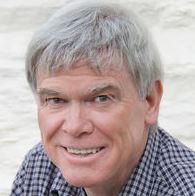
Dr Brett Rogers - Specialist Cataract Surgeon | Ophthalmologist
Private Service, Ophthalmology
Today
56 Victoria Avenue, Avenal, Invercargill
Description
- Brett has performed more than ten thousand (10,000) cataract operations on Southland, Queenstown/Lakes District, Central Otago and Otago patients, over more than twenty five years.
- He operates exclusively on cataracts at Southern Cross Hospital in both Invercargill and in Queenstown.
- He also performs various YAG Laser Eye Surgery procedures at his private ophthalmology consulting rooms in Invercargill & in Queenstown.
- Brett obtained his MBChB Medical Degree at the University of Otago in Dunedin.
- He then undertook Ophthalmology training at Auckland Hospital.
- Brett is a Fellow of the Royal Australian & New Zealand College of Ophthalmologists (FRANZCO)
- He is also a Fellow of the Royal Australasian College of Surgeons (FRACS).
- After working as an Ophthalmologist at the Southland Hospital Ophthalmology Department for many years, treating a wide range of ophthalmology conditions and performing thousands of operations for cataracts, eyelid disorders, glaucoma, squint, and many other eye conditions, Brett now works full-time at his private "SOUTHERN CATARACT SURGERY" Ophthalmology clinics, in both Invercargill and Queenstown, and at Southern Cross Hospitals in each centre, specialising in Cataract Surgery.
- Most of Brett's Southland & South Otago patients see him and have cataract surgery in Invercargill.
- For his Queenstown, Arrowtown, Wānaka and his Central Otago patients from Alexandra, Cromwell & Clyde areas, Brett has private ophthalmology rooms with fully-equipped Cataract Clinics in Queenstown, providing full cataract assessment, including all preoperative IOL calculations and all cataract post-operative follow-up visits, and with cataract surgery now performed at Southern Cross Hospital in Queenstown
- Brett’s passion & special expertise has always been cataract surgery. He is extremely experienced, has an extremely high success rate and particularly enjoys seeing the huge and rapid improvement that cataract surgery can make to his patients’ vision and quality of life.
- Brett has has had very many years' experience in using astigmatism-correcting (toric) intraocular-lenses, implanting over 1,500 such lenses. These ‘premium’ lenses can give even better vision following cataract surgery than regular lenses and significantly reduce or eliminate the need to wear spectacles. Brett now encourages this option of astigmatism-correcting (toric) lenses in well over 50% of his cataract patients.
- He also encourages 'blended vision' as an excellent option for most 2nd-eye cataract patients, to vastly reduce dependence on spectacles for closer-up vision following cataract surgery, as well as having excellent distance vision without spectacles.
- That option can include standard or premium intraocular lenses such as 'extended-depth-of-focus' (EDOF) IOLS, in many patients.
- To obtain ideal cataract-surgery outcomes (excellent vision without spectacle dependence) requires not only considerable cataract surgery experience & excellent surgical skills, but also the very best, state-of-the-art diagnostic & surgical equipment for both the preoperative assessment & intraocular lens-power calculations, and for performing the operation itself.
- Brett was the first cataract surgeon in Southland/Otago to use Cataract (OCT) Laser Biometry for cataract assessment to provide the most accurate and precise intraocular lens (IOL) calculations possible and to help ensure the very best cataract surgery refractive outcomes with excellent postoperative vision.
- The Carl Zeiss IOLMaster700 Biometer is the world’s first to be able to actually measure the optical power of the inside surface of the cornea as well as that of the outside surface and allows significantly higher accuracy for intraocular lens calculations.
- Brett was the first Cataract Surgeon in New Zealand to offer that option, which is particularly important for patients requiring astigmatism-correcting lenses and for patients who have had previous Lasik eye surgery.
Ophthalmology is the branch of specialist medicine that is focused on the health of eyes and their surrounding tissues, including muscles, bones, eyelids, and tear production/drainage systems. Your eye is the organ of vision and consists of the cornea (the outer clear layer), the sclera (the white of the eye), the iris (the coloured part), the lens (lies behind the iris) and the retina (the light-sensitive lining at the back of the eye). Your eyes ‘see’ by focusing light that enters the eye onto the retina which sends the image to the brain by the optic nerve.
An Ophthalmologist is a doctor who are trained in the treatment of eye diseases. Most will be trained in eye surgery, and some have particular areas of interest or expertise such as Cataract Surgery.
Staff
.
Consultants
-

Dr Brett Rogers
Ophthalmologist
Referral Expectations
- You can see Dr Rogers for a cataract assessment without a referral letter.
- Many of Dr Rogers’ cataract patients refer themselves directly by telephoning Estelle, his secretary, at 03 218 7778 (or cellphone 021 026 89139)
- Dr Rogers also accepts referrals from optometrists, from other eye specialists & from other doctors, including GPs.
- New cataract patients are usually seen within a week.
- An initial cataract appointment takes over an hour. That allows Dr Rogers time to thoroughly examine your eyes, to discuss treatment options for your cataract and to perform all the preoperative diagnostic investigations during that initial visit, including the intraocular lens calculations.
- To obtain the best possible outcomes, Dr Rogers performs all of those measurements and calculations himself and does not delegate those to a technician.
- Cataract patients have time to talk to Dr Rogers and are encouraged to ask as many questions as they like about their treatment options without feeling rushed. They are welcome to bring a family member to their appointment.
- To ensure that the front surface of your eyes (your corneas) are in ‘pristine’ condition (to allow more accurate measurements), we may ask you to obyain polytears or similar lubricating eye drops to use for a day prior to your visit.
- This allows more precise corneal measurements to help obtain the best possible visual outcome following your cataract surgery.
- Dr Rogers performs an "OCT" macular scan of your central retina (macula) as a routine part of your initial examination. This Laser Scan can detect unrelated macular age changes that might potentially limit the outcome of your cataract surgery or that might need further investigation or treatment before undergoing cataract surgery.
- Corneal Topography measures the curvature and shape of the front surface of your eye (cornea) for more accurate intraocular lens calculations.
- Your pupils will be dilated to allow a better view of the inner parts of your eye and to better examine your cataracts.
- (Dilating your pupils sometimes causes slight blurring of your vision but does not usually have any significant impact on your driving. If you are unsure, or if you come from out of town, you might want to bring someone to drive you home.)
Fees and Charges Categorisation
Fees apply
Fees and Charges Description

Dr Rogers is a Southern Cross Affiliated Provider and NIB provider for:
- Cataract consultations
- Other new & follow-up ophthalmology consultations
- Cataract Surgery with monofocal lenses
- Cataract Surgery with toric lenses
- Cataract Surgery with multifocal lenses
- YAG laser capsulotomy
- YAG laser iridotomy
- Visual field testing for glaucoma
- Scanning laser polarimetry for glaucoma
- OCT testing for glaucoma
- OCT testing for retina
- Retinal photography
- Corneal pachymetry
- Corneal topography
- and a number of other ophthalmology diagnostic and surgical procedures.
Hours
56 Victoria Avenue, Avenal, Invercargill
| Mon – Fri | 9:00 AM – 4:00 PM |
|---|
SOUTHERN CATARACT SURGERY (DR BRETT ROGERS)
- Closed 12.15pm - 1.15pm (Lunch break)
- Please advise the secretary when you have arrived for your appointment.
- The reception office is not always attended after 4 pm. (Clinics may continue after 4pm and appointments can be made for later times)
- If the office is unattended, please just go directly to the waiting room.
- Answerphone messages and text messages can also be left (for example to confirm an appointment time).
Public Holidays: Closed Waitangi Day (6 Feb), Good Friday (3 Apr), Easter Sunday (5 Apr), Easter Monday (6 Apr), Southland Anniversary (7 Apr), ANZAC Day (observed) (27 Apr), King's Birthday (1 Jun), Matariki (10 Jul), Labour Day (26 Oct).
Languages Spoken
English
Procedures / Treatments
Cataract is a very common, easily diagnosed and readily treatable eye condition that causes deterioration of vision due to clouding of the normally transparent, natural lens, inside the eye., Cataract is a normal age-related change that eventually affects everyone., The natural lens normally focuses light inside the eye allowing sharp vision., Over time, the lens becomes gradually hazy. A hazy lens is referred to as a ‘cataract’., Light through a hazy lens is ‘scattered’ and the quality of the vision deteriorates, often as though one’s spectacles were becoming dirty., Common symptoms include foggy vision and glare or dazzle in the sun, from car headlights or from reflective street signs when driving at night, especially on rainy nights. Cataract sufferers may frequently try (unsuccessfully) to clean their spectacles to improve their vision., Because vision loss is gradual, those with cataract often forget how clear their vision once was, and may think they are “just getting older”, not realising that normal vision can still, easily be restored with cataract surgery., In the early stages, sunglasses can reduce cataract glare, but the only way to treat significant cataract to regain normal clear vision, is with cataract surgery., Standard 'Eye Charts' typically have high contrast black letters on a white background and can actually be a very poor way of assessing the quality of vision in the presence of cataract. Vision tested on an 'eye chart' might still seem quite good and a person with quite marked cataract can often still read quite small print on an eye chart, yet still be disabled by poor quality vision, with poor contrast, glare with bright lights. Quality of life gradually suffers and affected people can become a danger on the road and be at increased risk of car crashes, falls and hip fractures ., Symptomatic patients are sometimes told that their cataract is “not yet bad enough to treat”, especially if they can still make out smallish print on an eye chart; however cataract is ‘bad enough to treat’ when symptoms begin to interfere with everyday activities such as driving, reading and whenever cataract affects quality of life., There is no advantage in waiting until cataract becomes advanced or ‘mature’. Cataracts never grow back: the new lens lasts a lifetime. Cataract Surgery is one of the most common and successful operations performed., Most cataract surgery is performed on those over the age of 50. About 10 per cent are in their fifties, 20 per cent in their sixties, 35 per cent in their seventies and 35 per cent are over the age of 80., Almost everyone over the age of 60 is affected by cataract to some degree. Cataract slowly worsens and virtually everyone over the age of 80 would see very much better if they had cataract surgery., Specialist Cataract Surgeon Brett Rogers can safely remove the cloudy cataract using microsurgery and replace the cataract with a clear, foldable, intraocular lens (IOL) to restore normal vision., Most of Dr Rogers’ cataract surgery is performed under local anaesthesia., Surgery takes 20-25 minutes or less and the total time in hospital is only 2-3 hours., Modern techniques and state-of-the-art equipment mean recovery is quick and you can be back to normal activities within days., Cataract surgery can also eliminate short-sightedness (myopia) and long-sightedness (hypermetropia). Dr Rogers often corrects another very common spectacle problem called astigmatism (caused by an oval curvature of the surface of the eye) by using a ‘premium toric’ lens not normally used in public hospitals. This lens can give even better distance vision without spectacles than ordinary IOLs., Following such surgery, one can expect to have both excellent distance and reading vision, and to see well enough to safely drive without spectacles (even if one has worn strong spectacles since childhood)., While Public hospitals use a questionnaire and its ‘points’, to determine whether or not you can receive publicly funded cataract surgery. It is often, wrongly, assumed that a low ‘score’, means that the cataract is ‘not bad enough' to treat; however the public hospital ‘threshold score’ is determined by available funding and those missing out often ask Dr Rogers perform their cataract surgery at Southern Cross Hospital where ‘scoring’ and rationing does not apply and where surgery can be done within a week or two if required.
Cataract is a very common, easily diagnosed and readily treatable eye condition that causes deterioration of vision due to clouding of the normally transparent, natural lens, inside the eye., Cataract is a normal age-related change that eventually affects everyone., The natural lens normally focuses light inside the eye allowing sharp vision., Over time, the lens becomes gradually hazy. A hazy lens is referred to as a ‘cataract’., Light through a hazy lens is ‘scattered’ and the quality of the vision deteriorates, often as though one’s spectacles were becoming dirty., Common symptoms include foggy vision and glare or dazzle in the sun, from car headlights or from reflective street signs when driving at night, especially on rainy nights. Cataract sufferers may frequently try (unsuccessfully) to clean their spectacles to improve their vision., Because vision loss is gradual, those with cataract often forget how clear their vision once was, and may think they are “just getting older”, not realising that normal vision can still, easily be restored with cataract surgery., In the early stages, sunglasses can reduce cataract glare, but the only way to treat significant cataract to regain normal clear vision, is with cataract surgery., Standard 'Eye Charts' typically have high contrast black letters on a white background and can actually be a very poor way of assessing the quality of vision in the presence of cataract. Vision tested on an 'eye chart' might still seem quite good and a person with quite marked cataract can often still read quite small print on an eye chart, yet still be disabled by poor quality vision, with poor contrast, glare with bright lights. Quality of life gradually suffers and affected people can become a danger on the road and be at increased risk of car crashes, falls and hip fractures ., Symptomatic patients are sometimes told that their cataract is “not yet bad enough to treat”, especially if they can still make out smallish print on an eye chart; however cataract is ‘bad enough to treat’ when symptoms begin to interfere with everyday activities such as driving, reading and whenever cataract affects quality of life., There is no advantage in waiting until cataract becomes advanced or ‘mature’. Cataracts never grow back: the new lens lasts a lifetime. Cataract Surgery is one of the most common and successful operations performed., Most cataract surgery is performed on those over the age of 50. About 10 per cent are in their fifties, 20 per cent in their sixties, 35 per cent in their seventies and 35 per cent are over the age of 80., Almost everyone over the age of 60 is affected by cataract to some degree. Cataract slowly worsens and virtually everyone over the age of 80 would see very much better if they had cataract surgery., Specialist Cataract Surgeon Brett Rogers can safely remove the cloudy cataract using microsurgery and replace the cataract with a clear, foldable, intraocular lens (IOL) to restore normal vision., Most of Dr Rogers’ cataract surgery is performed under local anaesthesia., Surgery takes 20-25 minutes or less and the total time in hospital is only 2-3 hours., Modern techniques and state-of-the-art equipment mean recovery is quick and you can be back to normal activities within days., Cataract surgery can also eliminate short-sightedness (myopia) and long-sightedness (hypermetropia). Dr Rogers often corrects another very common spectacle problem called astigmatism (caused by an oval curvature of the surface of the eye) by using a ‘premium toric’ lens not normally used in public hospitals. This lens can give even better distance vision without spectacles than ordinary IOLs., Following such surgery, one can expect to have both excellent distance and reading vision, and to see well enough to safely drive without spectacles (even if one has worn strong spectacles since childhood)., While Public hospitals use a questionnaire and its ‘points’, to determine whether or not you can receive publicly funded cataract surgery. It is often, wrongly, assumed that a low ‘score’, means that the cataract is ‘not bad enough' to treat; however the public hospital ‘threshold score’ is determined by available funding and those missing out often ask Dr Rogers perform their cataract surgery at Southern Cross Hospital where ‘scoring’ and rationing does not apply and where surgery can be done within a week or two if required.
Service types: Cataracts | Cataract repair.
- Cataract is a very common, easily diagnosed and readily treatable eye condition that causes deterioration of vision due to clouding of the normally transparent, natural lens, inside the eye.
- Cataract is a normal age-related change that eventually affects everyone.
The natural lens normally focuses light inside the eye allowing sharp vision.
Over time, the lens becomes gradually hazy. A hazy lens is referred to as a ‘cataract’.
Light through a hazy lens is ‘scattered’ and the quality of the vision deteriorates, often as though one’s spectacles were becoming dirty.
- Common symptoms include foggy vision and glare or dazzle in the sun, from car headlights or from reflective street signs when driving at night, especially on rainy nights.
- Cataract sufferers may frequently try (unsuccessfully) to clean their spectacles to improve their vision.
Because vision loss is gradual, those with cataract often forget how clear their vision once was, and may think they are “just getting older”, not realising that normal vision can still, easily be restored with cataract surgery.
In the early stages, sunglasses can reduce cataract glare, but the only way to treat significant cataract to regain normal clear vision, is with cataract surgery.
Standard 'Eye Charts' typically have high contrast black letters on a white background and can actually be a very poor way of assessing the quality of vision in the presence of cataract. Vision tested on an 'eye chart' might still seem quite good and a person with quite marked cataract can often still read quite small print on an eye chart, yet still be disabled by poor quality vision, with poor contrast, glare with bright lights. Quality of life gradually suffers and affected people can become a danger on the road and be at increased risk of car crashes, falls and hip fractures .
Symptomatic patients are sometimes told that their cataract is “not yet bad enough to treat”, especially if they can still make out smallish print on an eye chart; however cataract is ‘bad enough to treat’ when symptoms begin to interfere with everyday activities such as driving, reading and whenever cataract affects quality of life.
- There is no advantage in waiting until cataract becomes advanced or ‘mature’.
- Cataracts never grow back: the new lens lasts a lifetime.
- Cataract Surgery is one of the most common and successful operations performed.
Most cataract surgery is performed on those over the age of 50. About 10 per cent are in their fifties, 20 per cent in their sixties, 35 per cent in their seventies and 35 per cent are over the age of 80.
Almost everyone over the age of 60 is affected by cataract to some degree. Cataract slowly worsens and virtually everyone over the age of 80 would see very much better if they had cataract surgery.
Specialist Cataract Surgeon Brett Rogers can safely remove the cloudy cataract using microsurgery and replace the cataract with a clear, foldable, intraocular lens (IOL) to restore normal vision.
Most of Dr Rogers’ cataract surgery is performed under local anaesthesia.
Surgery takes 20-25 minutes or less and the total time in hospital is only 2-3 hours.
Modern techniques and state-of-the-art equipment mean recovery is quick and you can be back to normal activities within days.
Cataract surgery can also eliminate short-sightedness (myopia) and long-sightedness (hypermetropia). Dr Rogers often corrects another very common spectacle problem called astigmatism (caused by an oval curvature of the surface of the eye) by using a ‘premium toric’ lens not normally used in public hospitals. This lens can give even better distance vision without spectacles than ordinary IOLs.
- Following such surgery, one can expect to have both excellent distance and reading vision, and to see well enough to safely drive without spectacles (even if one has worn strong spectacles since childhood).
While Public hospitals use a questionnaire and its ‘points’, to determine whether or not you can receive publicly funded cataract surgery. It is often, wrongly, assumed that a low ‘score’, means that the cataract is ‘not bad enough' to treat; however the public hospital ‘threshold score’ is determined by available funding and those missing out often ask Dr Rogers perform their cataract surgery at Southern Cross Hospital where ‘scoring’ and rationing does not apply and where surgery can be done within a week or two if required.
- Diagram showing effect of cataract (PDF, 2.5 MB)
Note: PDF downloads require the free Adobe Reader application to view.
Toric intraocular lenses These are a "premium" intraocular lens' option, which in Dr Rogers uses in more than 50% of eyes undergoing cataract surgery. Toric intraocular lenses look similar to ‘regular’ IOLs, however are designed with a curved (‘toric’) surface. They need to be be precisely aligned inside the eye at a specific angle, depending on the shape and amount of the eye's astigmatism. Correction of astigmatism can allow much better quality vision and less dependence on glasses. Dr Rogers has had more experience than most, having used astigmatism intraocular lenses for 16 years. He was the first cataract surgeon in Southland/Otago to use “Swept Source OCT” Laser Biometry which measures both the inside and the outside surfaces of the cornea to obtain the ‘total power’ of the cornea for more precise IOL measurements and better visual outcomes. This is particularly important when deciding on the patient's suitability for a toric IOL, when calculating which Toric IOL power to use and the precise alignment of this toric IOL. https://www.youtube.com/watch?v=8D-GI331l18
Toric intraocular lenses These are a "premium" intraocular lens' option, which in Dr Rogers uses in more than 50% of eyes undergoing cataract surgery. Toric intraocular lenses look similar to ‘regular’ IOLs, however are designed with a curved (‘toric’) surface. They need to be be precisely aligned inside the eye at a specific angle, depending on the shape and amount of the eye's astigmatism. Correction of astigmatism can allow much better quality vision and less dependence on glasses. Dr Rogers has had more experience than most, having used astigmatism intraocular lenses for 16 years. He was the first cataract surgeon in Southland/Otago to use “Swept Source OCT” Laser Biometry which measures both the inside and the outside surfaces of the cornea to obtain the ‘total power’ of the cornea for more precise IOL measurements and better visual outcomes. This is particularly important when deciding on the patient's suitability for a toric IOL, when calculating which Toric IOL power to use and the precise alignment of this toric IOL. https://www.youtube.com/watch?v=8D-GI331l18
Toric intraocular lenses
These are a "premium" intraocular lens' option, which in Dr Rogers uses in more than 50% of eyes undergoing cataract surgery.
Toric intraocular lenses look similar to ‘regular’ IOLs, however are designed with a curved (‘toric’) surface. They need to be be precisely aligned inside the eye at a specific angle, depending on the shape and amount of the eye's astigmatism.
Correction of astigmatism can allow much better quality vision and less dependence on glasses.
Dr Rogers has had more experience than most, having used astigmatism intraocular lenses for 16 years.
He was the first cataract surgeon in Southland/Otago to use “Swept Source OCT” Laser Biometry which measures both the inside and the outside surfaces of the cornea to obtain the ‘total power’ of the cornea for more precise IOL measurements and better visual outcomes.
This is particularly important when deciding on the patient's suitability for a toric IOL, when calculating which Toric IOL power to use and the precise alignment of this toric IOL.
Not uncommonly, at some time following routine cataract surgery, the normally-transparent thin membrane called the 'posterior capsule', which lies behind the intraocular lens, can thicken and become hazy. This can cause symptoms that are similar to cataract symptoms, however the treatment of 'posterior capsule haze' is much easier and involves simply clearing the membrane using "YAG" LASER. YAG LASER CAPSULOTOMY CAN BE PERFORMED BOTH IN INVERCARGILL AND IN QUEENSTOWN The procedure takes only a few minutes and gives an almost immediate return of vision to the state it was in following the original cataract surgery, even if that surgery was many years ago. (The YAG Laser is also used to perform several other types of eye procedures.)
Not uncommonly, at some time following routine cataract surgery, the normally-transparent thin membrane called the 'posterior capsule', which lies behind the intraocular lens, can thicken and become hazy. This can cause symptoms that are similar to cataract symptoms, however the treatment of 'posterior capsule haze' is much easier and involves simply clearing the membrane using "YAG" LASER. YAG LASER CAPSULOTOMY CAN BE PERFORMED BOTH IN INVERCARGILL AND IN QUEENSTOWN The procedure takes only a few minutes and gives an almost immediate return of vision to the state it was in following the original cataract surgery, even if that surgery was many years ago. (The YAG Laser is also used to perform several other types of eye procedures.)
Not uncommonly, at some time following routine cataract surgery, the normally-transparent thin membrane called the 'posterior capsule', which lies behind the intraocular lens, can thicken and become hazy.
This can cause symptoms that are similar to cataract symptoms, however the treatment of 'posterior capsule haze' is much easier and involves simply clearing the membrane using "YAG" LASER.
YAG LASER CAPSULOTOMY CAN BE PERFORMED BOTH IN INVERCARGILL AND IN QUEENSTOWN
The procedure takes only a few minutes and gives an almost immediate return of vision to the state it was in following the original cataract surgery, even if that surgery was many years ago.
(The YAG Laser is also used to perform several other types of eye procedures.)
Both Cataract and Glaucoma are common with increasing age and many people over 60 have both. Are those with glaucoma at higher risk of developing cataracts? Those with glaucoma are not usually at higher risk of developing cataracts. Both eye conditions are more common with age, which is why many who have one disease may develop the other. How will cataract surgery affect the glaucoma? Cataract surgery can cause a change in eye pressure. In general, it is not possible to predict whether the eye pressure will rise, fall or stay the same after cataract surgery; however, most people have slightly lower eye pressure following cataract surgery. This is often not permanent and the pressure may increase again later. Increases in eye pressure immediately after the surgery are called ‘pressure spikes’ and sometimes occur in patients 1-2 days after cataract surgery. Usually these are short-lived and can be easily treated with medications. Dr Rogers normally gives you tablets or eye drops to use for a day or two following surgery to prevent these pressure rises. Is there a need to change glaucoma medication after cataract surgery? After cataract surgery Dr Rogers might reassess the need for glaucoma drops. In some instances, glaucoma drops can be decreased.
Both Cataract and Glaucoma are common with increasing age and many people over 60 have both. Are those with glaucoma at higher risk of developing cataracts? Those with glaucoma are not usually at higher risk of developing cataracts. Both eye conditions are more common with age, which is why many who have one disease may develop the other. How will cataract surgery affect the glaucoma? Cataract surgery can cause a change in eye pressure. In general, it is not possible to predict whether the eye pressure will rise, fall or stay the same after cataract surgery; however, most people have slightly lower eye pressure following cataract surgery. This is often not permanent and the pressure may increase again later. Increases in eye pressure immediately after the surgery are called ‘pressure spikes’ and sometimes occur in patients 1-2 days after cataract surgery. Usually these are short-lived and can be easily treated with medications. Dr Rogers normally gives you tablets or eye drops to use for a day or two following surgery to prevent these pressure rises. Is there a need to change glaucoma medication after cataract surgery? After cataract surgery Dr Rogers might reassess the need for glaucoma drops. In some instances, glaucoma drops can be decreased.
Service types: Cataracts | Cataract repair, Glaucoma (high eye pressure).
Both Cataract and Glaucoma are common with increasing age and many people over 60 have both.
Are those with glaucoma at higher risk of developing cataracts?
Those with glaucoma are not usually at higher risk of developing cataracts.
Both eye conditions are more common with age, which is why many who have one disease may develop the other.
How will cataract surgery affect the glaucoma?
Cataract surgery can cause a change in eye pressure. In general, it is not possible to predict whether the eye pressure will rise, fall or stay the same after cataract surgery; however, most people have slightly lower eye pressure following cataract surgery. This is often not permanent and the pressure may increase again later.
Increases in eye pressure immediately after the surgery are called ‘pressure spikes’ and sometimes occur in patients 1-2 days after cataract surgery. Usually these are short-lived and can be easily treated with medications.
Dr Rogers normally gives you tablets or eye drops to use for a day or two following surgery to prevent these pressure rises.
Is there a need to change glaucoma medication after cataract surgery?
After cataract surgery Dr Rogers might reassess the need for glaucoma drops.
In some instances, glaucoma drops can be decreased.
This is a "LASER" procedure that Dr Rogers performs at his private rooms, on patients who are at risk of developing a relatively uncommon type of glaucoma known as 'narrow-angle' or 'angle-closure' glaucoma.
This is a "LASER" procedure that Dr Rogers performs at his private rooms, on patients who are at risk of developing a relatively uncommon type of glaucoma known as 'narrow-angle' or 'angle-closure' glaucoma.
This is a "LASER" procedure that Dr Rogers performs at his private rooms, on patients who are at risk of developing a relatively uncommon type of glaucoma known as 'narrow-angle' or 'angle-closure' glaucoma.
Service types: Laser vision correction.
Service types: Laser vision correction.
Service types: Laser vision correction.
Some people with refractive errors (especially longsightedness') choose to have a 'clear lens exchange', which is exactly the same operation as a cataract operation, just done at an early stage and mainly to eliminate the need for wearing glasses (just as 'Lasik' does), Clear Lens Exchange is often a better alternative to Lasik in selected patients and is particularly suitable for longsighted (hypermetropic) patients with early cataract - or sometimes even with no cataract at all. (Once treated, such patients can never develop cataract in the future as the eye's natural lens has already been replaced, so cant develop cataract with age!)
Some people with refractive errors (especially longsightedness') choose to have a 'clear lens exchange', which is exactly the same operation as a cataract operation, just done at an early stage and mainly to eliminate the need for wearing glasses (just as 'Lasik' does), Clear Lens Exchange is often a better alternative to Lasik in selected patients and is particularly suitable for longsighted (hypermetropic) patients with early cataract - or sometimes even with no cataract at all. (Once treated, such patients can never develop cataract in the future as the eye's natural lens has already been replaced, so cant develop cataract with age!)
- Some people with refractive errors (especially longsightedness') choose to have a 'clear lens exchange', which is exactly the same operation as a cataract operation, just done at an early stage and mainly to eliminate the need for wearing glasses (just as 'Lasik' does)
- Clear Lens Exchange is often a better alternative to Lasik in selected patients and is particularly suitable for longsighted (hypermetropic) patients with early cataract - or sometimes even with no cataract at all. (Once treated, such patients can never develop cataract in the future as the eye's natural lens has already been replaced, so cant develop cataract with age!)
Refreshments
Dr Rogers' ophthalmology consulting rooms are on the edge of the Central Business District and close to a number of cafes and restaurants and if you are travelling from out of town, you can have lunch or morning tea within walking distance of Dr Rogers' rooms.
Travel Directions
Patients travelling from North of Invercargill can drive to the edge of the Central Business Area on North Road until immediately before they reach "McDonalds".
Then turn LEFT into Victoria Avenue and travel about 50 metres to reach the Eye Clinic entrance at 56 Victoria Avenue.
(We are diagonally across the intersection from McDonalds Restaurant, and are the third building from the intersection, directly across the road from the ANZAC Memorial)

Public Transport
Taxis are able to deliver you right to the entrance door of Southern Cataract Surgeons, at the rear of the clinic.
St Johns Health shuttles provide an excellent door to door service for those travelling from out of town, from as far away as even Queenstown and Gore. They can bring you directly to Dr Rogers' rooms or to Southern Cross Hospital and then take you home again.
This is an ideal service for those who don't or can't drive, and for those who don't like to ask others to drive them to their appointments.
Dr Rogers secretary can arrange a St John Health Shuttle for you to attend for an appointment or to take you to Southern Cross Hospital for surgery, then home afterwards!
Parking
Off-street parking is available at Dr Rogers' private rooms. Just drive down the driveway beside the clinic building.
You can park very close to the main entrance doors, at the rear of the building.
A wheelchair ramp is available for easy access.
Pharmacy
Website
Contact Details
56 Victoria Avenue, Avenal, Invercargill
Southland
-
Phone
(03) 218 7778
-
Mobile
021 026 89139
Email
Website
For appointments phone Dr Rogers' secretary at (03) 218 7778 or 021 026 89139
CATARACT clinics are held weekly in QUEENSTOWN
SOUTHERN CATARACT SURGEONS
DR BRETT ROGERS
56 Victoria Avenue
Avenal
Invercargill
Southland 9810
Street Address
SOUTHERN CATARACT SURGEONS
DR BRETT ROGERS
56 Victoria Avenue
Avenal
Invercargill
Southland 9810
Postal Address
SOUTHERN CATARACT SURGEONS (DR BRETT ROGERS)
56 VICTORIA AVENUE
AVENAL
INVERCARGILL 9810
Was this page helpful?
This page was last updated at 9:44AM on September 15, 2025. This information is reviewed and edited by Dr Brett Rogers - Specialist Cataract Surgeon | Ophthalmologist.