
Central Auckland > Public Hospital Services > Health New Zealand | Te Whatu Ora - Te Toka Tumai Auckland >
Neurosurgery | Auckland | Te Toka Tumai
Public Service, Neurosurgery
Description
What is Neurosurgery?
Neurosurgery is a surgical specialty focused on the diagnosis, treatment, and management of diseases and disorders affecting the brain, spinal cord, and nerves.
A neurosurgeon is a medical doctor who specializes in both the surgical and medical management of neurological conditions.
The Neurosurgical Department at Auckland City Hospital provides care for patients with conditions or trauma involving the central and peripheral nervous systems. Our services encompass a comprehensive range of neurosurgical issues, including trauma, benign and malignant tumours, neurovascular disorders, epilepsy suitable for surgical treatment, congenital abnormalities, peripheral nerve disorders, and functional neurosurgery for pain and movement disorders.
Our department serves a wide geographic area across the North Island, covering regions from Northland, Auckland, and Coromandel to Taranaki, Waikato, Lakeland, and Tairāwhiti.
Consultants
-

Mr Robert Aspoas
Neurosurgeon
-

Mr Lawrence (Siu) Choi
Neurosurgeon
-
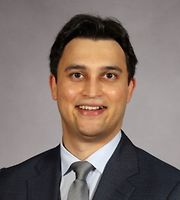
Mr Jason Correia
Neurosurgeon
-

Mr Peter Heppner
Neurosurgeon
-

Mr Chien Kow
Neurosurgeon
-

Mr Andrew Law
Neurosurgeon - Service Clinical Director
-

Ms Phoebe (Brie) Matthews
Neurosurgeon
-

Mr Patrick Schweder
Neurosurgeon
Ages
Adult / Pakeke, Child / Tamariki, Older adult / Kaumātua, Youth / Rangatahi
How do I access this service?
Anyone can access
Referral Expectations
Referral Process
Referrals to the Neurosurgical Department are carefully triaged by specialist consultants, who assess and categorise each case based on clinical urgency:
-
High-priority cases (Priority 1) are booked immediately for outpatient consultation and further management.
-
Urgent or acute presentations should be referred via the Emergency Department, where they will be assessed by the on-call neurosurgical registrar.
-
Routine or non-urgent cases will be reviewed and graded accordingly, with appropriate outpatient follow-up arranged if necessary.
Please ensure all referrals are accompanied by relevant clinical information and imaging to support timely and accurate triage.
Fees and Charges Description
Eligibility for Publicly Funded Health Care in New Zealand
All New Zealand citizens and residents are entitled to publicly funded health care. This means:
-
Free or subsidised treatment is available for health services provided in public hospitals and by some community providers.
-
Eligibility typically includes:
-
New Zealand citizens
-
Permanent residents
-
Certain visa holders who meet residency requirements
-
-
Some services outside the public system may require additional payment or private insurance.
Public funding ensures that essential health care is accessible to everyone who is eligible, regardless of their ability to pay.
Hours
Monday to Friday: 8:00 AM – 5:00 PM
-
Weekends/Public Holidays: Emergency services only
For urgent or emergency neurosurgical care, the on-call team is available 24/7.
Common Conditions / Procedures / Treatments
A cerebral (cranial) aneurysm is a weakened section in the wall of a blood vessel in the brain that bulges or balloons out. Possible causes include congenital blood vessel defects, brain tumour, head trauma, or atherosclerosis (fatty deposits blocking arteries). Small aneurysms may produce no symptoms, but as they enlarge, they can cause vision problems, facial numbness, or seizures. A ruptured aneurysm causes bleeding in and around the brain, which can impair mental functions and bodily control, potentially resulting in brain damage, stroke, coma, or death. Treatment options: Surgical Clipping: Involves opening the skull (craniotomy) to isolate the aneurysm using a small metal clip that seals it off from the blood vessel. Endovascular Coiling: A less invasive procedure where a catheter is inserted through an artery in the groin and advanced to the brain. Soft wire coils are released into the aneurysm to block blood flow, sometimes supported by a tiny balloon to hold coils in place.
A cerebral (cranial) aneurysm is a weakened section in the wall of a blood vessel in the brain that bulges or balloons out. Possible causes include congenital blood vessel defects, brain tumour, head trauma, or atherosclerosis (fatty deposits blocking arteries). Small aneurysms may produce no symptoms, but as they enlarge, they can cause vision problems, facial numbness, or seizures. A ruptured aneurysm causes bleeding in and around the brain, which can impair mental functions and bodily control, potentially resulting in brain damage, stroke, coma, or death. Treatment options: Surgical Clipping: Involves opening the skull (craniotomy) to isolate the aneurysm using a small metal clip that seals it off from the blood vessel. Endovascular Coiling: A less invasive procedure where a catheter is inserted through an artery in the groin and advanced to the brain. Soft wire coils are released into the aneurysm to block blood flow, sometimes supported by a tiny balloon to hold coils in place.
A cerebral (cranial) aneurysm is a weakened section in the wall of a blood vessel in the brain that bulges or balloons out.
Possible causes include congenital blood vessel defects, brain tumour, head trauma, or atherosclerosis (fatty deposits blocking arteries).
Small aneurysms may produce no symptoms, but as they enlarge, they can cause vision problems, facial numbness, or seizures. A ruptured aneurysm causes bleeding in and around the brain, which can impair mental functions and bodily control, potentially resulting in brain damage, stroke, coma, or death.
Treatment options:
- Surgical Clipping: Involves opening the skull (craniotomy) to isolate the aneurysm using a small metal clip that seals it off from the blood vessel.
- Endovascular Coiling: A less invasive procedure where a catheter is inserted through an artery in the groin and advanced to the brain. Soft wire coils are released into the aneurysm to block blood flow, sometimes supported by a tiny balloon to hold coils in place.
Brain tumours may be primary (originating in the brain or adjacent tissues) or metastatic (spread from other body parts via the bloodstream). Primary tumours may be benign or malignant. Treatment may involve surgery alone or combined with radiation therapy and/or chemotherapy. Craniotomy: Opening the skull to access and remove as much tumour tissue as possible without harming healthy brain tissue. Stereotactic Biopsy: A minimally invasive procedure where a small hole is drilled in the skull to obtain tissue samples for diagnosis. Radiation Therapy: Uses high-energy x-rays to destroy abnormal cells. Chemotherapy: Uses chemical agents to kill cancer cells.
Brain tumours may be primary (originating in the brain or adjacent tissues) or metastatic (spread from other body parts via the bloodstream). Primary tumours may be benign or malignant. Treatment may involve surgery alone or combined with radiation therapy and/or chemotherapy. Craniotomy: Opening the skull to access and remove as much tumour tissue as possible without harming healthy brain tissue. Stereotactic Biopsy: A minimally invasive procedure where a small hole is drilled in the skull to obtain tissue samples for diagnosis. Radiation Therapy: Uses high-energy x-rays to destroy abnormal cells. Chemotherapy: Uses chemical agents to kill cancer cells.
Brain tumours may be primary (originating in the brain or adjacent tissues) or metastatic (spread from other body parts via the bloodstream). Primary tumours may be benign or malignant.
Treatment may involve surgery alone or combined with radiation therapy and/or chemotherapy.
- Craniotomy: Opening the skull to access and remove as much tumour tissue as possible without harming healthy brain tissue.
- Stereotactic Biopsy: A minimally invasive procedure where a small hole is drilled in the skull to obtain tissue samples for diagnosis.
- Radiation Therapy: Uses high-energy x-rays to destroy abnormal cells.
- Chemotherapy: Uses chemical agents to kill cancer cells.
A subdural haematoma is a collection of blood beneath the dura mater, usually caused by tearing of small blood vessels after serious head trauma such as a fall, blow, or car accident. Symptoms include: Headache Speech difficulties Vision problems Seizures Confusion Weakness Nausea and vomiting Acute haematomas present symptoms within 24 hours of trauma, while subacute or chronic haematomas develop symptoms more gradually. If untreated, the haematoma can enlarge, increasing pressure on the brain and risking brain damage or death. Surgical treatment: Burr hole drainage: Small holes drilled in the skull allow blood drainage to relieve pressure. Craniotomy: Larger skull opening may be required to remove clots and repair damaged vessels.
A subdural haematoma is a collection of blood beneath the dura mater, usually caused by tearing of small blood vessels after serious head trauma such as a fall, blow, or car accident. Symptoms include: Headache Speech difficulties Vision problems Seizures Confusion Weakness Nausea and vomiting Acute haematomas present symptoms within 24 hours of trauma, while subacute or chronic haematomas develop symptoms more gradually. If untreated, the haematoma can enlarge, increasing pressure on the brain and risking brain damage or death. Surgical treatment: Burr hole drainage: Small holes drilled in the skull allow blood drainage to relieve pressure. Craniotomy: Larger skull opening may be required to remove clots and repair damaged vessels.
A subdural haematoma is a collection of blood beneath the dura mater, usually caused by tearing of small blood vessels after serious head trauma such as a fall, blow, or car accident.
Symptoms include:
- Headache
- Speech difficulties
- Vision problems
- Seizures
- Confusion
- Weakness
- Nausea and vomiting
Acute haematomas present symptoms within 24 hours of trauma, while subacute or chronic haematomas develop symptoms more gradually.
If untreated, the haematoma can enlarge, increasing pressure on the brain and risking brain damage or death.
Surgical treatment:
- Burr hole drainage: Small holes drilled in the skull allow blood drainage to relieve pressure.
- Craniotomy: Larger skull opening may be required to remove clots and repair damaged vessels.
Spinal tumours can be located inside the spinal cord, between the cord and dura mater, or outside the dura. They may be primary or metastatic. Treatment may include surgery, radiotherapy, and chemotherapy. Laminectomy: Removal of the vertebral bone (lamina) to expose the spinal cord, allowing tumour removal or biopsy. The patient is typically positioned face down during the procedure.
Spinal tumours can be located inside the spinal cord, between the cord and dura mater, or outside the dura. They may be primary or metastatic. Treatment may include surgery, radiotherapy, and chemotherapy. Laminectomy: Removal of the vertebral bone (lamina) to expose the spinal cord, allowing tumour removal or biopsy. The patient is typically positioned face down during the procedure.
Spinal tumours can be located inside the spinal cord, between the cord and dura mater, or outside the dura. They may be primary or metastatic.
Treatment may include surgery, radiotherapy, and chemotherapy.
- Laminectomy: Removal of the vertebral bone (lamina) to expose the spinal cord, allowing tumour removal or biopsy. The patient is typically positioned face down during the procedure.
ACC-Related Cases: Many patients with lumbar or cervical disc prolapse will have a history of injury. These cases may be eligible for assessment and potential treatment through ACC-funded private programmes, which provide excellent pathways for care., Non-ACC (Degenerative) Cases: Where no accident history is evident, referrals can now be made to Neurosurgery for assessment, investigation, and treatment regardless of DHB. Updated Access Criteria: Neurosurgery will now accept all spinal degenerative cases from across the greater Auckland region, including Auckland, Counties Manukau, and Waitematā., Herniated Discs, Between vertebrae are flat, round discs that act as shock absorbers. Sometimes the gel-like center (nucleus) of the disc bulges through the tough outer ring (annulus) into the spinal canal — this is called a herniated or ruptured disc. Pressure on spinal nerves can cause pain, numbness, and tingling., Initial treatment: Low activity levels, nonsteroidal anti-inflammatory drugs (NSAIDs), and physiotherapy. Surgery is considered if conservative treatments fail., Surgical options:, Discectomy: Removal of part or all of the herniated disc. Open Discectomy: Incision made over vertebrae with muscle stripping to access and remove the disc. Microdiscectomy: Minimally invasive with smaller incisions and no muscle stripping, using specialized instruments., Laminectomy / Laminotomy: Incision down the back to remove all (laminectomy) or part (laminotomy) of the vertebral bony arch (lamina) to relieve nerve pressure and improve access for other procedures like discectomy or spinal fusion. Spinal Fusion: Fuses two or more vertebrae to prevent movement between them, reducing pain. Used for cervical disc herniations, vertebral fractures, or to stabilize painful spinal segments.
ACC-Related Cases: Many patients with lumbar or cervical disc prolapse will have a history of injury. These cases may be eligible for assessment and potential treatment through ACC-funded private programmes, which provide excellent pathways for care., Non-ACC (Degenerative) Cases: Where no accident history is evident, referrals can now be made to Neurosurgery for assessment, investigation, and treatment regardless of DHB. Updated Access Criteria: Neurosurgery will now accept all spinal degenerative cases from across the greater Auckland region, including Auckland, Counties Manukau, and Waitematā., Herniated Discs, Between vertebrae are flat, round discs that act as shock absorbers. Sometimes the gel-like center (nucleus) of the disc bulges through the tough outer ring (annulus) into the spinal canal — this is called a herniated or ruptured disc. Pressure on spinal nerves can cause pain, numbness, and tingling., Initial treatment: Low activity levels, nonsteroidal anti-inflammatory drugs (NSAIDs), and physiotherapy. Surgery is considered if conservative treatments fail., Surgical options:, Discectomy: Removal of part or all of the herniated disc. Open Discectomy: Incision made over vertebrae with muscle stripping to access and remove the disc. Microdiscectomy: Minimally invasive with smaller incisions and no muscle stripping, using specialized instruments., Laminectomy / Laminotomy: Incision down the back to remove all (laminectomy) or part (laminotomy) of the vertebral bony arch (lamina) to relieve nerve pressure and improve access for other procedures like discectomy or spinal fusion. Spinal Fusion: Fuses two or more vertebrae to prevent movement between them, reducing pain. Used for cervical disc herniations, vertebral fractures, or to stabilize painful spinal segments.
Service types: Herniated discs, Discectomy, Laminectomy or Laminotomy, Spinal fusion.
- ACC-Related Cases:
Many patients with lumbar or cervical disc prolapse will have a history of injury. These cases may be eligible for assessment and potential treatment through ACC-funded private programmes, which provide excellent pathways for care. - Non-ACC (Degenerative) Cases:
Where no accident history is evident, referrals can now be made to Neurosurgery for assessment, investigation, and treatment regardless of DHB.- Updated Access Criteria:
Neurosurgery will now accept all spinal degenerative cases from across the greater Auckland region, including Auckland, Counties Manukau, and Waitematā.
- Updated Access Criteria:
Herniated Discs
Between vertebrae are flat, round discs that act as shock absorbers. Sometimes the gel-like center (nucleus) of the disc bulges through the tough outer ring (annulus) into the spinal canal — this is called a herniated or ruptured disc. Pressure on spinal nerves can cause pain, numbness, and tingling.
Initial treatment: Low activity levels, nonsteroidal anti-inflammatory drugs (NSAIDs), and physiotherapy. Surgery is considered if conservative treatments fail.
Surgical options:
- Discectomy: Removal of part or all of the herniated disc.
- Open Discectomy: Incision made over vertebrae with muscle stripping to access and remove the disc.
- Microdiscectomy: Minimally invasive with smaller incisions and no muscle stripping, using specialized instruments.
- Laminectomy / Laminotomy: Incision down the back to remove all (laminectomy) or part (laminotomy) of the vertebral bony arch (lamina) to relieve nerve pressure and improve access for other procedures like discectomy or spinal fusion.
- Spinal Fusion: Fuses two or more vertebrae to prevent movement between them, reducing pain. Used for cervical disc herniations, vertebral fractures, or to stabilize painful spinal segments.
Skull Base Lesions Lesions located at the base of the skull can involve critical structures including cranial nerves, major blood vessels, and the brainstem. These lesions may be benign (e.g., meningiomas, schwannomas, chordomas) or malignant (e.g., metastatic tumours, sarcomas). Diagnosis and Treatment: Imaging with MRI and CT is essential to define the lesion’s extent and involvement of nearby structures. Surgical approaches are often complex due to the intricate anatomy and may involve multidisciplinary teams including neurosurgery, otolaryngology, and maxillofacial surgery. Approaches include transcranial, endoscopic endonasal (through the nasal passages), or combined methods to access the lesion safely. Surgery aims to remove or reduce the lesion while preserving neurological function. Radiotherapy, including stereotactic radiosurgery (e.g., Gamma Knife), may be used as primary or adjunct treatment. Pituitary Lesions Pituitary tumours (adenomas) arise from the pituitary gland located at the base of the brain and can affect hormone production or cause mass effects on nearby structures like the optic nerves. Symptoms: Hormonal imbalances (e.g., prolactinoma causing excess prolactin) Visual disturbances (due to optic chiasm compression) Headaches Treatment Options: Medical Therapy: Many functional pituitary adenomas respond to medications that control hormone production. Surgical Resection: Most commonly performed via an endoscopic endonasal transsphenoidal approach (through the nasal cavity and sphenoid sinus), allowing minimally invasive removal with less risk and faster recovery. Radiotherapy: For residual or recurrent tumours not fully resectable or responsive to medication.
Skull Base Lesions Lesions located at the base of the skull can involve critical structures including cranial nerves, major blood vessels, and the brainstem. These lesions may be benign (e.g., meningiomas, schwannomas, chordomas) or malignant (e.g., metastatic tumours, sarcomas). Diagnosis and Treatment: Imaging with MRI and CT is essential to define the lesion’s extent and involvement of nearby structures. Surgical approaches are often complex due to the intricate anatomy and may involve multidisciplinary teams including neurosurgery, otolaryngology, and maxillofacial surgery. Approaches include transcranial, endoscopic endonasal (through the nasal passages), or combined methods to access the lesion safely. Surgery aims to remove or reduce the lesion while preserving neurological function. Radiotherapy, including stereotactic radiosurgery (e.g., Gamma Knife), may be used as primary or adjunct treatment. Pituitary Lesions Pituitary tumours (adenomas) arise from the pituitary gland located at the base of the brain and can affect hormone production or cause mass effects on nearby structures like the optic nerves. Symptoms: Hormonal imbalances (e.g., prolactinoma causing excess prolactin) Visual disturbances (due to optic chiasm compression) Headaches Treatment Options: Medical Therapy: Many functional pituitary adenomas respond to medications that control hormone production. Surgical Resection: Most commonly performed via an endoscopic endonasal transsphenoidal approach (through the nasal cavity and sphenoid sinus), allowing minimally invasive removal with less risk and faster recovery. Radiotherapy: For residual or recurrent tumours not fully resectable or responsive to medication.
Service types: Skull base tumours.
Skull Base Lesions
Lesions located at the base of the skull can involve critical structures including cranial nerves, major blood vessels, and the brainstem. These lesions may be benign (e.g., meningiomas, schwannomas, chordomas) or malignant (e.g., metastatic tumours, sarcomas).
Diagnosis and Treatment:
- Imaging with MRI and CT is essential to define the lesion’s extent and involvement of nearby structures.
- Surgical approaches are often complex due to the intricate anatomy and may involve multidisciplinary teams including neurosurgery, otolaryngology, and maxillofacial surgery.
- Approaches include transcranial, endoscopic endonasal (through the nasal passages), or combined methods to access the lesion safely.
- Surgery aims to remove or reduce the lesion while preserving neurological function.
- Radiotherapy, including stereotactic radiosurgery (e.g., Gamma Knife), may be used as primary or adjunct treatment.
Pituitary Lesions
Pituitary tumours (adenomas) arise from the pituitary gland located at the base of the brain and can affect hormone production or cause mass effects on nearby structures like the optic nerves.
Symptoms:
- Hormonal imbalances (e.g., prolactinoma causing excess prolactin)
- Visual disturbances (due to optic chiasm compression)
- Headaches
Treatment Options:
- Medical Therapy: Many functional pituitary adenomas respond to medications that control hormone production.
- Surgical Resection: Most commonly performed via an endoscopic endonasal transsphenoidal approach (through the nasal cavity and sphenoid sinus), allowing minimally invasive removal with less risk and faster recovery.
- Radiotherapy: For residual or recurrent tumours not fully resectable or responsive to medication.
1. Cranial Procedures Craniotomy: Surgical opening of the skull to access brain lesions or injuries. Tumour Resection: Removal of benign or malignant brain tumours. Surgical Clipping of Aneurysms: Placing a clip to isolate cerebral aneurysms and prevent rupture. Endovascular Coiling: Minimally invasive procedure to treat brain aneurysms using coils via catheter. Stereotactic Biopsy: Minimally invasive technique to obtain tissue samples from brain lesions. Evacuation of Subdural Haematoma: Drainage of blood collection between brain and skull. 2. Spinal Procedures Discectomy: Removal of herniated disc material pressing on spinal nerves. Laminectomy/Laminotomy: Removal of part/all of vertebral bone to relieve nerve pressure. Spinal Fusion: Fusing vertebrae to stabilise the spine and reduce pain. Tumour Removal: Surgery to remove spinal tumours, either intradural or extradural. 3. Functional Neurosurgery Deep Brain Stimulation (DBS): Implantation of electrodes to treat movement disorders like Parkinson’s disease. Epilepsy Surgery: Removal or disconnection of brain areas causing seizures. Pain Management Procedures: Including nerve blocks and neurostimulators. 4. Peripheral Nerve Surgery Nerve Decompression: Relieving pressure on peripheral nerves (e.g., carpal tunnel release).
1. Cranial Procedures Craniotomy: Surgical opening of the skull to access brain lesions or injuries. Tumour Resection: Removal of benign or malignant brain tumours. Surgical Clipping of Aneurysms: Placing a clip to isolate cerebral aneurysms and prevent rupture. Endovascular Coiling: Minimally invasive procedure to treat brain aneurysms using coils via catheter. Stereotactic Biopsy: Minimally invasive technique to obtain tissue samples from brain lesions. Evacuation of Subdural Haematoma: Drainage of blood collection between brain and skull. 2. Spinal Procedures Discectomy: Removal of herniated disc material pressing on spinal nerves. Laminectomy/Laminotomy: Removal of part/all of vertebral bone to relieve nerve pressure. Spinal Fusion: Fusing vertebrae to stabilise the spine and reduce pain. Tumour Removal: Surgery to remove spinal tumours, either intradural or extradural. 3. Functional Neurosurgery Deep Brain Stimulation (DBS): Implantation of electrodes to treat movement disorders like Parkinson’s disease. Epilepsy Surgery: Removal or disconnection of brain areas causing seizures. Pain Management Procedures: Including nerve blocks and neurostimulators. 4. Peripheral Nerve Surgery Nerve Decompression: Relieving pressure on peripheral nerves (e.g., carpal tunnel release).
Service types: Discectomy, Laminectomy or Laminotomy, Spinal fusion, Peripheral nerve disorders, Functional neurosurgery, Carpal tunnel syndrome | Carpal tunnel release.
1. Cranial Procedures
-
Craniotomy: Surgical opening of the skull to access brain lesions or injuries.
-
Tumour Resection: Removal of benign or malignant brain tumours.
-
Surgical Clipping of Aneurysms: Placing a clip to isolate cerebral aneurysms and prevent rupture.
-
Endovascular Coiling: Minimally invasive procedure to treat brain aneurysms using coils via catheter.
-
Stereotactic Biopsy: Minimally invasive technique to obtain tissue samples from brain lesions.
-
Evacuation of Subdural Haematoma: Drainage of blood collection between brain and skull.
2. Spinal Procedures
-
Discectomy: Removal of herniated disc material pressing on spinal nerves.
-
Laminectomy/Laminotomy: Removal of part/all of vertebral bone to relieve nerve pressure.
-
Spinal Fusion: Fusing vertebrae to stabilise the spine and reduce pain.
-
Tumour Removal: Surgery to remove spinal tumours, either intradural or extradural.
3. Functional Neurosurgery
-
Deep Brain Stimulation (DBS): Implantation of electrodes to treat movement disorders like Parkinson’s disease.
-
Epilepsy Surgery: Removal or disconnection of brain areas causing seizures.
-
Pain Management Procedures: Including nerve blocks and neurostimulators.
4. Peripheral Nerve Surgery
-
Nerve Decompression: Relieving pressure on peripheral nerves (e.g., carpal tunnel release).
Disability Assistance
A longer appointment time, Assistance to move around, Mobility parking space, More space to move around, NZ sign language interpreter, Quiet, low sensory environment, Support to make decisions, Wheelchair access, Wheelchair accessible toilet
Additional Details
Child / Tamariki friendly, Face to face / Kanohi ki te Kanohi, LGBTQIA+ friendly, Online / virtual / app, Phone, Speak with men / tane, Speak with women / wahine
Visiting Hours
Visiting hours for Ward 83 at Auckland City Hospital are generally from 11:00 AM to 1:00 PM and 3:00 PM to 8:00 PM daily. However, these times may vary depending on the specific needs of the ward. It's advisable to contact the ward directly or call Patient Enquiries at 09 375 4300 to confirm the exact visiting hours for Ward 83. Please note that only two visitors per patient at a time are typically allowed, and overnight stays are generally not permitted unless arranged in advance with the charge nurse. If you or your visitors are feeling unwell, it's recommended to postpone your visit to protect patients and staff.
Parking
Parking is at a premium at Auckland Hospital, so please allow plenty of extra time to find parking before your outpatient clinic appointment.
Pharmacy
Grafton Pharmacy is a well-established community pharmacy located at 29 Park Road, Grafton, Auckland 1023. They offer a comprehensive range of services, including prescription dispensing, over-the-counter medications, health supplements, and professional medical advice. The pharmacy is open seven days a week, including most public holidays, and provides multilingual support, including Mandarin/Chinese speakers.
Other
Arrival
-
Arrive 15–30 minutes early to allow time for check-in and paperwork.
-
Parking is limited and often busy, so allow extra time for parking or consider public transport.
-
The Neurosurgery outpatient clinic is located on Level 6, Auckland City Hospital — follow the signs or ask staff for directions.
Website

Contact Details
Auckland City Hospital
Central Auckland
-
Mobile
021 430 286
Website
Accepted patients' outpatient booking enquiries can be made directly to the Neurosurgery secretary on 021 430 286.
2 Park Road
Grafton
Auckland 1023
Street Address
2 Park Road
Grafton
Auckland 1023
Postal Address
Private Bag 92 024
Auckland Mail Centre
Auckland 1142
Was this page helpful?
This page was last updated at 12:31PM on October 8, 2025. This information is reviewed and edited by Neurosurgery | Auckland | Te Toka Tumai.