Central Auckland > Public Hospital Services > Health New Zealand | Te Whatu Ora - Te Toka Tumai Auckland >
Northern Regional Sarcoma Service | Auckland | Te Toka Tumai
Public Service, Oncology
For urgent or emergency Sarcoma care, the on-call team is available 24/7.
Description
Sarcoma is a rare type of cancer that develops from bone, cartilage, fat, muscle, blood vessels, or other connective tissues. It can occur in adults and children and may present in the limbs, trunk, or other parts of the body.
The Northern Regional Sarcoma Service provides comprehensive assessment, diagnosis, and treatment for patients with suspected or confirmed sarcoma across the entirety of the North Island of New Zealand. The service covers the full Te Whatu Ora Northern Region — extending from Cape Reinga in the far north to Wellington in the south — encompassing Northland, Auckland, Waitematā, Counties Manukau, Waikato, Bay of Plenty, Taranaki, and Mid Central.
Based at Auckland City Hospital (Te Toka Tumai Auckland), the Northern Regional Sarcoma Service operates multidisciplinary clinics with input from orthopaedic surgeons, general surgeons, plastic surgeons, oncologists, pathologists, radiologists, and specialist nurses. All patients are reviewed by the Northern Regional Sarcoma Multidisciplinary Meeting (MDM) to ensure coordinated, evidence-based care, in line with the Oncology Clinical Care Programme (OCCP) Sarcoma Tumour Standards (Te Aho o Te Kahu, Cancer Control Agency, 2025).
Types of Sarcoma Treated:
- Bone Sarcomas (e.g., osteosarcoma, chondrosarcoma)
- Soft Tissue Sarcomas (e.g., liposarcoma, leiomyosarcoma, synovial sarcoma)
- Rare and complex sarcoma types in both adults and children
Coming to your Appointment:
-
Arrive 15–30 minutes early to allow time for check-in and paperwork.
-
Parking is limited and often busy, so allow extra time for parking or consider public transport.
-
The Neurosurgery outpatient clinic is located on Greenlane Hospital, — follow the signs or ask staff for directions.
Staff
Sarcoma Nurse Specialists:
- Vanessa Hurley - 021 872 437
- Claire Paul - 021 805 380
- Emma Beard - 021 397 855
AYA Nurse Specialist:
- Olivia Grant (covering Zoe Turner) - 021 308 261
Consultants
-
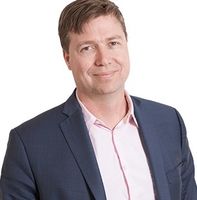
Mr Isaac Cranshaw
General Surgeon
-
Mr Shaneel Deo
Orthopaedic Surgeon
-
Mr Michael Flint
Orthopaedic Surgeon
-

Mr Andrew Johnston
Service Clinical Director
-
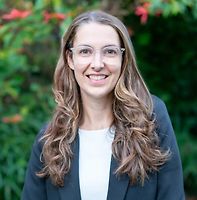
Dr Carla Pajak
Orthopaedic Surgeon
-

Dr Michael Russell
General Surgeon
How do I access this service?
Anyone can access, Contact us, Referral
Referral Expectations
- All suspected sarcoma cases must be referred to the MDM first.
- Referrals are initially reviewed by a Consultant, and the Sarcoma Coordinator schedules them for discussion at the next available MDM.
- Patients should not be referred directly for a First Specialist Appointment (FSA) or biopsy prior to MDM discussion.
- Email:
- Phone: 021 392 219
- Include:
- Clinical history and provisional diagnosis
- Relevant imaging reports (CT/MRI)
- Histopathology reports (if available)
- Contact details of the referring clinician and GP
- OCCP Sarcoma Tumour Standards – Te Aho o Te Kahu (Cancer Control Agency)
- National Clinical Practice Guidelines for Soft Tissue and Bone Sarcomas – Te Whatu Ora
Hours
24 hour
Languages Spoken
Afrikaans, Albanian, Assyrian, Vietnamese, Ukrainian, Turkish, Tongan, Thai, Tamil, Taiwanese, Swedish, Tagalog, Swahili (Kiswahili), Spanish, Solomons Pijin, Shona, Russian, Samoan, Romanian, Serbian, Tahitian, Tokelauan, Tuvaluan, Telugu, Shanghainese, Punjabi, Portuguese, Polish, Persian
Services Provided
Chemotherapy is the use of medicines to kill or reduce the spread of cancer cells. Chemotherapy is given as cycles and may be given once a day, once a week or even once a month. This depends on the type of cancer and the best regimen (course) as determined by research. Chemotherapy, unlike radiation (which treats only the part of the body exposed to the radiation), treats the entire body. As a result, any cells that may have escaped from where the cancer originated are treated. A doctor who prescribes chemotherapy is known as a medical oncologist. Depending on what type of cancer you have and whether it has spread, your doctor may use chemotherapy to: Eliminate all cancer cells in your body, even when cancer is widespread Prolong your life by controlling cancer growth and spread or Relieve symptoms and improve your quality of life. Most chemotherapy drugs are given in one of the following ways: You might take a tablet or medicine orally (swallow) It may be given intravenously as an injection over a short period of time or as an infusion over a longer period of time. For these treatments you come into the Department usually for part of the day. Side effects Some people have no side effects at all from chemotherapy. Sometimes, however, chemotherapy will make you feel sick. As each type of chemotherapy has different side effects they will be discussed with you prior to starting any treatment so you know what to expect. Chemotherapy targets cells that are quickly dividing, whether it's a cancer cell or not. Therefore, some non-cancer cells that divide quickly are also damaged. The following is a list of some normal cells that divide quickly in the body and may be susceptible to the effects of chemotherapy: Cells in your hair (can cause hair loss) Cells of the skin and mouth (can cause sores in your mouth and dry skin) Cells in your stomach and intestines (can cause you to feel sick, vomit or have diarrhoea) Cells in your bone marrow. This is where your red and white blood cells are made. White blood cells fight infections, so temporarily you are very prone to these and they can become serious. Loss of red blood cells can make you anaemic and tired. There are many medicines you can take to reduce or lessen these unwanted effects of chemotherapy. In some cases, chemotherapy may be the only treatment you need. More often, it's used in conjunction with other treatments, such as surgery or radiation, to improve results. For example, you may receive: Neoadjuvant chemotherapy. The goal of neoadjuvant therapy is to reduce the size of a tumour with chemotherapy before surgery or radiation therapy. Adjuvant chemotherapy. Given after surgery or radiation, the goal of adjuvant chemotherapy is to eliminate any cancer cells that might linger in your body following earlier treatments.
Chemotherapy is the use of medicines to kill or reduce the spread of cancer cells. Chemotherapy is given as cycles and may be given once a day, once a week or even once a month. This depends on the type of cancer and the best regimen (course) as determined by research. Chemotherapy, unlike radiation (which treats only the part of the body exposed to the radiation), treats the entire body. As a result, any cells that may have escaped from where the cancer originated are treated. A doctor who prescribes chemotherapy is known as a medical oncologist. Depending on what type of cancer you have and whether it has spread, your doctor may use chemotherapy to: Eliminate all cancer cells in your body, even when cancer is widespread Prolong your life by controlling cancer growth and spread or Relieve symptoms and improve your quality of life. Most chemotherapy drugs are given in one of the following ways: You might take a tablet or medicine orally (swallow) It may be given intravenously as an injection over a short period of time or as an infusion over a longer period of time. For these treatments you come into the Department usually for part of the day. Side effects Some people have no side effects at all from chemotherapy. Sometimes, however, chemotherapy will make you feel sick. As each type of chemotherapy has different side effects they will be discussed with you prior to starting any treatment so you know what to expect. Chemotherapy targets cells that are quickly dividing, whether it's a cancer cell or not. Therefore, some non-cancer cells that divide quickly are also damaged. The following is a list of some normal cells that divide quickly in the body and may be susceptible to the effects of chemotherapy: Cells in your hair (can cause hair loss) Cells of the skin and mouth (can cause sores in your mouth and dry skin) Cells in your stomach and intestines (can cause you to feel sick, vomit or have diarrhoea) Cells in your bone marrow. This is where your red and white blood cells are made. White blood cells fight infections, so temporarily you are very prone to these and they can become serious. Loss of red blood cells can make you anaemic and tired. There are many medicines you can take to reduce or lessen these unwanted effects of chemotherapy. In some cases, chemotherapy may be the only treatment you need. More often, it's used in conjunction with other treatments, such as surgery or radiation, to improve results. For example, you may receive: Neoadjuvant chemotherapy. The goal of neoadjuvant therapy is to reduce the size of a tumour with chemotherapy before surgery or radiation therapy. Adjuvant chemotherapy. Given after surgery or radiation, the goal of adjuvant chemotherapy is to eliminate any cancer cells that might linger in your body following earlier treatments.
Chemotherapy is the use of medicines to kill or reduce the spread of cancer cells. Chemotherapy is given as cycles and may be given once a day, once a week or even once a month. This depends on the type of cancer and the best regimen (course) as determined by research. Chemotherapy, unlike radiation (which treats only the part of the body exposed to the radiation), treats the entire body. As a result, any cells that may have escaped from where the cancer originated are treated.
A doctor who prescribes chemotherapy is known as a medical oncologist.
Depending on what type of cancer you have and whether it has spread, your doctor may use chemotherapy to:
- Eliminate all cancer cells in your body, even when cancer is widespread
- Prolong your life by controlling cancer growth and spread or
- Relieve symptoms and improve your quality of life.
Most chemotherapy drugs are given in one of the following ways:
- You might take a tablet or medicine orally (swallow)
- It may be given intravenously as an injection over a short period of time or as an infusion over a longer period of time. For these treatments you come into the Department usually for part of the day.
Side effects
Some people have no side effects at all from chemotherapy. Sometimes, however, chemotherapy will make you feel sick. As each type of chemotherapy has different side effects they will be discussed with you prior to starting any treatment so you know what to expect. Chemotherapy targets cells that are quickly dividing, whether it's a cancer cell or not. Therefore, some non-cancer cells that divide quickly are also damaged. The following is a list of some normal cells that divide quickly in the body and may be susceptible to the effects of chemotherapy:
- Cells in your hair (can cause hair loss)
- Cells of the skin and mouth (can cause sores in your mouth and dry skin)
- Cells in your stomach and intestines (can cause you to feel sick, vomit or have diarrhoea)
- Cells in your bone marrow. This is where your red and white blood cells are made. White blood cells fight infections, so temporarily you are very prone to these and they can become serious. Loss of red blood cells can make you anaemic and tired.
There are many medicines you can take to reduce or lessen these unwanted effects of chemotherapy.
In some cases, chemotherapy may be the only treatment you need. More often, it's used in conjunction with other treatments, such as surgery or radiation, to improve results. For example, you may receive:
- Neoadjuvant chemotherapy. The goal of neoadjuvant therapy is to reduce the size of a tumour with chemotherapy before surgery or radiation therapy.
- Adjuvant chemotherapy. Given after surgery or radiation, the goal of adjuvant chemotherapy is to eliminate any cancer cells that might linger in your body following earlier treatments.
Radiation therapy uses special equipment to deliver high doses of radiation (beam of x-rays) to cancerous tumours, to kill or damage them so they cannot grow or spread. Normal cells may be affected by radiation, but most appear to recover fully from the effects of the treatment. Radiation therapy affects only the tumour and the surrounding area. Some cancers are very sensitive to radiation but not all. Radiotherapy is usually given in small doses over a period of time; this is known as a course. A doctor who manages your radiotherapy is called a radiation oncologist. Some common side effects of radiation treatment include: Fatigue or tiredness During the first 2 weeks of treatment, a faint and short lasting redness may occur on your skin. Dryness and peeling of the skin may occur in 3 to 4 weeks. The skin over the treatment area may become darker. Mucositis (inflammation of the lining of the mouth) is a temporary side effect that may happen when radiation is given to the head and neck area. Radiation to the head and neck area can increase your chances of getting cavities. Before starting radiation therapy, notify your dentist and plan for a complete check-up. When radiation treatments include the chest area, the lungs can be affected and you may experience shortness of breath or cough. Radiation to the abdomen may result in swelling and inflammation of the intestines, causing nausea, vomiting, or diarrhoea.
Radiation therapy uses special equipment to deliver high doses of radiation (beam of x-rays) to cancerous tumours, to kill or damage them so they cannot grow or spread. Normal cells may be affected by radiation, but most appear to recover fully from the effects of the treatment. Radiation therapy affects only the tumour and the surrounding area. Some cancers are very sensitive to radiation but not all. Radiotherapy is usually given in small doses over a period of time; this is known as a course. A doctor who manages your radiotherapy is called a radiation oncologist. Some common side effects of radiation treatment include: Fatigue or tiredness During the first 2 weeks of treatment, a faint and short lasting redness may occur on your skin. Dryness and peeling of the skin may occur in 3 to 4 weeks. The skin over the treatment area may become darker. Mucositis (inflammation of the lining of the mouth) is a temporary side effect that may happen when radiation is given to the head and neck area. Radiation to the head and neck area can increase your chances of getting cavities. Before starting radiation therapy, notify your dentist and plan for a complete check-up. When radiation treatments include the chest area, the lungs can be affected and you may experience shortness of breath or cough. Radiation to the abdomen may result in swelling and inflammation of the intestines, causing nausea, vomiting, or diarrhoea.
Radiation therapy uses special equipment to deliver high doses of radiation (beam of x-rays) to cancerous tumours, to kill or damage them so they cannot grow or spread. Normal cells may be affected by radiation, but most appear to recover fully from the effects of the treatment. Radiation therapy affects only the tumour and the surrounding area. Some cancers are very sensitive to radiation but not all.
Radiotherapy is usually given in small doses over a period of time; this is known as a course. A doctor who manages your radiotherapy is called a radiation oncologist.
Some common side effects of radiation treatment include:
- Fatigue or tiredness
- During the first 2 weeks of treatment, a faint and short lasting redness may occur on your skin. Dryness and peeling of the skin may occur in 3 to 4 weeks. The skin over the treatment area may become darker.
- Mucositis (inflammation of the lining of the mouth) is a temporary side effect that may happen when radiation is given to the head and neck area.
- Radiation to the head and neck area can increase your chances of getting cavities. Before starting radiation therapy, notify your dentist and plan for a complete check-up.
- When radiation treatments include the chest area, the lungs can be affected and you may experience shortness of breath or cough.
- Radiation to the abdomen may result in swelling and inflammation of the intestines, causing nausea, vomiting, or diarrhoea.
Accurate diagnosis is essential in sarcoma care. The following biopsy types are performed: Core needle biopsy Open/incisional biopsy Image‑guided biopsy (CT or ultrasound‑guided) All suspected sarcomas should be discussed at the Sarcoma MDM before biopsy to ensure the correct approach and avoid compromising future surgery.
Accurate diagnosis is essential in sarcoma care. The following biopsy types are performed: Core needle biopsy Open/incisional biopsy Image‑guided biopsy (CT or ultrasound‑guided) All suspected sarcomas should be discussed at the Sarcoma MDM before biopsy to ensure the correct approach and avoid compromising future surgery.
Service types: Cancer diagnosis process.
Accurate diagnosis is essential in sarcoma care. The following biopsy types are performed:
- Core needle biopsy
- Open/incisional biopsy
- Image‑guided biopsy (CT or ultrasound‑guided)
All suspected sarcomas should be discussed at the Sarcoma MDM before biopsy to ensure the correct approach and avoid compromising future surgery.
Pre‑Hab (Pre‑habilitation) Clinics Pre‑habilitation is an important part of the sarcoma pathway. The Northern Regional Sarcoma Service offers Pre‑Hab Clinics to help patients prepare physically, mentally, and practically for major surgery or treatment. Pre‑Hab may include: Physiotherapy and mobility optimisation Nutrition support Psychological and emotional preparation Smoking cessation support Pre‑operative education Planning for recovery and rehabilitation The goal is to improve surgical outcomes, reduce complications, and support patients and whānau through treatment. Post‑Operative Support Following surgery, patients receive coordinated support from the Sarcoma team, including: Education and ongoing support from Sarcoma Nurse Specialists Wound care guidance Physiotherapy and rehabilitation planning Pain management support Follow‑up appointments for surveillance and recovery
Pre‑Hab (Pre‑habilitation) Clinics Pre‑habilitation is an important part of the sarcoma pathway. The Northern Regional Sarcoma Service offers Pre‑Hab Clinics to help patients prepare physically, mentally, and practically for major surgery or treatment. Pre‑Hab may include: Physiotherapy and mobility optimisation Nutrition support Psychological and emotional preparation Smoking cessation support Pre‑operative education Planning for recovery and rehabilitation The goal is to improve surgical outcomes, reduce complications, and support patients and whānau through treatment. Post‑Operative Support Following surgery, patients receive coordinated support from the Sarcoma team, including: Education and ongoing support from Sarcoma Nurse Specialists Wound care guidance Physiotherapy and rehabilitation planning Pain management support Follow‑up appointments for surveillance and recovery
Pre‑Hab (Pre‑habilitation) Clinics
Pre‑habilitation is an important part of the sarcoma pathway. The Northern Regional Sarcoma Service offers Pre‑Hab Clinics to help patients prepare physically, mentally, and practically for major surgery or treatment.
Pre‑Hab may include:
- Physiotherapy and mobility optimisation
- Nutrition support
- Psychological and emotional preparation
- Smoking cessation support
- Pre‑operative education
- Planning for recovery and rehabilitation
The goal is to improve surgical outcomes, reduce complications, and support patients and whānau through treatment.
Post‑Operative Support
Following surgery, patients receive coordinated support from the Sarcoma team, including:
- Education and ongoing support from Sarcoma Nurse Specialists
- Wound care guidance
- Physiotherapy and rehabilitation planning
- Pain management support
- Follow‑up appointments for surveillance and recovery
These minimally invasive treatments may be used for selected metastatic or recurrent sarcoma lesions, particularly in the lung, liver, or bone, depending on tumour type and location: Thermal Ablation Uses heat (radiofrequency or microwave energy) to destroy tumour tissue. Cryotherapy (Cryoablation) Uses extreme cold to freeze and destroy cancer cells. Often used for bone lesions or small soft‑tissue metastases. Ablation and cryotherapy are performed in collaboration with Interventional Radiology and are considered on a case‑by‑case basis following MDM review.
These minimally invasive treatments may be used for selected metastatic or recurrent sarcoma lesions, particularly in the lung, liver, or bone, depending on tumour type and location: Thermal Ablation Uses heat (radiofrequency or microwave energy) to destroy tumour tissue. Cryotherapy (Cryoablation) Uses extreme cold to freeze and destroy cancer cells. Often used for bone lesions or small soft‑tissue metastases. Ablation and cryotherapy are performed in collaboration with Interventional Radiology and are considered on a case‑by‑case basis following MDM review.
These minimally invasive treatments may be used for selected metastatic or recurrent sarcoma lesions, particularly in the lung, liver, or bone, depending on tumour type and location:
- Thermal Ablation Uses heat (radiofrequency or microwave energy) to destroy tumour tissue.
- Cryotherapy (Cryoablation) Uses extreme cold to freeze and destroy cancer cells. Often used for bone lesions or small soft‑tissue metastases.
Ablation and cryotherapy are performed in collaboration with Interventional Radiology and are considered on a case‑by‑case basis following MDM review.
Disability Assistance
A longer appointment time, Assistance to move around, Mobility parking space, More space to move around, NZ sign language interpreter, Support to make decisions, Wheelchair access, Wheelchair accessible toilet, Quiet, low sensory environment
Document Downloads
-
North Island Sarcoma MDM referral Form
(DOCX, 49.4 KB)
Please fill in the attached referral
Visiting Hours
Visiting hours for Ward 75, 77 at Auckland City Hospital are generally from 11:00 AM to 1:00 PM and 3:00 PM to 8:00 PM daily. However, these times may vary depending on the specific needs of the ward. It's advisable to contact the ward directly or call Patient Enquiries at 09 375 4300 to confirm the exact visiting hours for Ward 75, 77. Please note that only two visitors per patient at a time are typically allowed, and overnight stays are generally not permitted unless arranged in advance with the charge nurse. If you or your visitors are feeling unwell, it's recommended to postpone your visit to protect patients and staff.
Parking
Parking is at a premium at Auckland Hospital, so please allow plenty of extra time to find parking before your outpatient clinic appointment.
Pharmacy
Grafton Pharmacy is a well-established community pharmacy located at 29 Park Road, Grafton, Auckland 1023. They offer a comprehensive range of services, including prescription dispensing, over-the-counter medications, health supplements, and professional medical advice. The pharmacy is open seven days a week, including most public holidays, and provides multilingual support, including Mandarin/Chinese speakers.
Other
- Sarcoma Foundation of New Zealand - https://sarcoma.org.nz/
- Cancer Society of New Zealand
Contact Details
Auckland City Hospital
Central Auckland
-
Phone
0800 543 767
Email
Outpatient Enquiries: GCC Reception D (Orthopaedic Team) & Reception E (General Surgery)
Email: [email protected]
Phone: 0800 543 767
2 Park Road
Grafton
Auckland 1023
Street Address
2 Park Road
Grafton
Auckland 1023
Postal Address
Private Bag 92 024
Auckland Mail Centre
Auckland 1142
Was this page helpful?
This page was last updated at 3:38PM on April 23, 2026. This information is reviewed and edited by Northern Regional Sarcoma Service | Auckland | Te Toka Tumai.